


A recent study has uncovered alarming levels of benzene, a known carcinogen (or cancer-causing agent), in many widely used acne creams and cleansers, including well-known brands like Proactiv and Clearasil. The findings are prompting fresh calls for the US Food and Drug Administration (FDA) to take action.
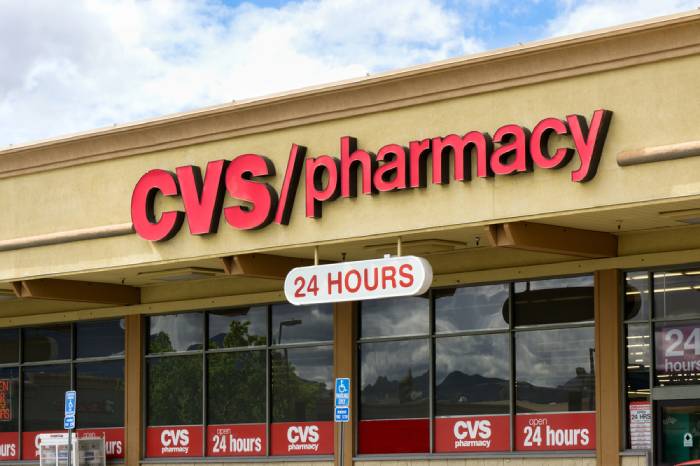
A CVS store-brand face wash had 13 times the allowable limit.
The analysis, published on October 7 in the Journal of Investigative Dermatology, tested over 100 benzoyl peroxide-based acne treatments across six states. It revealed that about a third of these products contained high levels of benzene. Proactiv, one of the most popular brands, was found to have 18 times the amount of benzene deemed safe for drugs in the US, while a CVS store-brand face wash had 13 times the allowable limit.
“The results presented here suggest that a substantial portion of the BPO (benzoyl peroxide) acne treatment market currently contains unacceptably high levels of benzene in products sitting on the shelf,” stated researchers who spoke to Bloomberg.
The study was conducted by Valisure, a New Haven-based laboratory, in collaboration with professors from Yale University and Long Island University. This latest research builds upon a controversial earlier study by Valisure that also detected high levels of benzene in acne products. Criticism of that initial analysis stemmed from the method of storing the products at high temperatures, around 50°C, which was said to influence the benzene levels. The follow-up study, however, stored products at room temperature and was peer-reviewed, lending more credibility to its findings.
While around 70 products, including those from Clean & Clear and Neutrogena, were found to be within safe benzene limits, others like certain Clearasil products were just over the FDA’s two parts per million limit. The study also revealed that benzene levels could rise when the products were exposed to ultraviolet light at body temperature, suggesting users might face higher risks when exposed to sunlight.

Acne treatments with excessive benzene levels are under the spotlight.
In recent years, benzene has been discovered in a variety of consumer products, raising concerns over the FDA’s regulatory oversight. In March 2024, Valisure petitioned the FDA to recall acne treatments with excessive benzene levels. The agency responded by stating it was reviewing Valisure’s claims, but as of July, was still conducting its investigation.
Representatives from CVS Health and Reckitt Benckiser, the parent company of Clearasil, reaffirmed their commitment to product safety, while Sun Pharmaceutical Industries, which recently acquired Proactiv’s manufacturer, Taro Pharmaceutical Industries, declined to comment when Bloomberg approached them for queries.
Yale University’s dermatology associate professor and study co-author, Dr. Christopher Bunick, emphasised to the media, the responsibility of manufacturers to ensure consumer safety. “I think we’re going to see a little more careful attention from the manufacturers,” he said. “They have a duty to the consumer to check.”
With benzene’s presence in acne products now confirmed, the spotlight is on the FDA to enforce stricter regulations and hold manufacturers accountable for testing their products for potentially dangerous chemicals.

