
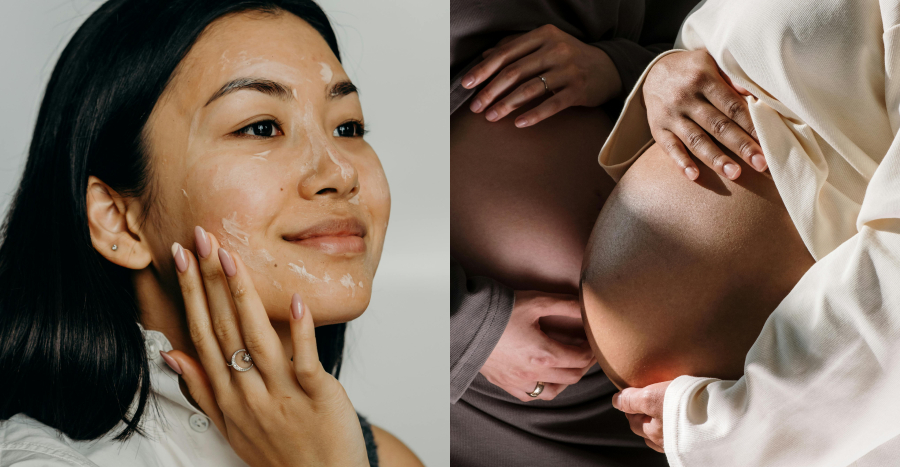

Pregnancy can be a challenging time for many women when it comes to maintaining personal wellness. Hormonal shifts affect skin quality, hair growth, and emotional regulation. Necessary weight gain, bodily changes, and reduced physical energy can further impact confidence and self-esteem.
For many women, self-care routines are not just indulgences, but grounding rituals that support mental and emotional wellbeing. When pregnancy suddenly disrupts these routines, it can feel disorientating or even distressing. The good news is that self-care does not need to stop during pregnancy; it simply needs to evolve.
Here are five practical, pregnancy-safe ways women can continue to prioritise personal wellness during pregnancy and into the postpartum period.
Get Enough Rest and Redefine What “Rest” Means

Credit: Cottonbro Studio/Pexels
Pregnancy fatigue is not just “feeling tired”, it is driven by progesterone surges, increased blood volume, and the body working continuously to support fetal development.
Many women are surprised to find that exhaustion can be most intense during the first trimester, even before the pregnancy begins to show.
Aim for eight hours of sleep per night, but recognise that rest may also come from forms other than sleep alone. Mindfulness and meditative exercises, gentle downtime such as lying down without stimulation, short afternoon naps (20–30 minutes), or simply sitting with your feet elevated, can also be restorative.
Practical Tips
- Sleeping on your left side from mid-pregnancy onwards can improve maternal and fetal circulation.
- Elevating your lower limbs at the end of the day can help relieve foot swelling.
- A pregnancy pillow or firm cushion between the knees can significantly reduce hip and lower-back discomfort.
- Frequent nighttime urination is common; reducing fluid intake in the 2 to 3 hours before bedtime can help.
Remember, rest is not a sign of weakness; it is one of the most effective forms of prenatal self-care.
Hydrate Regularly (But Strategically)

Credit: Yaroslav Shuraev/Pexels
As blood volume increases during pregnancy, hydration becomes essential for circulation, digestion, temperature regulation, and preventing headaches and constipation. Many women underestimate their fluid needs, especially if nausea or bloating reduces thirst.
A general guideline is around 1.8 litres of water per day, but this may need to increase if you are exercising, sweating, or living in a warm climate.
Practical Tips
- If you’re experiencing nausea, dehydration may worsen, rather than improve it. Small, frequent sips may be better tolerated than large volumes at once.
- Incorporating electrolytes in moderation (without excessive sugar) can help optimise hydration status.
- Dry lips and tongue, darker urine, or frequent mild headaches are symptoms of dehydration and should not be ignored if persistent.
- Alcohol should be avoided entirely, and caffeine intake should be limited to 200mg per day – roughly one 12-ounce cup of brewed coffee. Remember that tea, chocolate, and some soft drinks also contribute to caffeine intake.
Nourish, Don’t Just “Eat for Two”

Credit: Greta Hoffman/Pexels
A healthy pregnancy diet is less about increasing calories and more about nutrient density. In fact, energy requirements only increase slightly during the second and third trimesters.
Food aversions, nausea, and vomiting can make balanced eating difficult, particularly early on. This is where self-compassion becomes part of self-care.
Practical Tips
- Protein supports metabolism and reduces cravings for sugary foods – this remains important during pregnancy where nutrition is key for fetal development.
- Gradual weight gain may help reduce the development of excessive stretch marks, and is necessary to support healthy fetal growth.
- Prenatal supplements help bridge nutritional gaps, but they should be tailored to your pregnancy stage and individual needs.
- Women diagnosed with gestational diabetes often benefit greatly from dietary guidance by a qualified dietician – good control of glucose levels during pregnancy ensures better outcomes for mother and baby, and reduces the risks of complications associated with diabetes, such as macrosomia (large for gestational age babies).
Protect Your Skin Inside and Out

Credit: Tran Duc Hung/Pexels
Hormonal changes during pregnancy increase melanin production, making women more prone to melasma (pregnancy pigmentation). Direct sun exposure should be avoided, especially during the hours of 10am to 4pm, where UV rays are the strongest.
Use a broad-spectrum sunscreen (SPF 30 or higher) daily, covering both UVA and UVB rays. Physical barriers such as wide-brimmed hats, sunglasses, and shade-seeking are equally important.
Practical Tips
- Pregnancy skin may become more sensitive so products you previously tolerated may suddenly irritate. Don’t be afraid of re-evaluating your existing routine and products.
- Stretch marks are influenced more by genetics and rate of skin stretching than by topical creams alone. While moisturising can reduce itch and inflammation, expectations should be realistic.
- Postpartum pigmentation can take months to fade; sun protection remains essential after delivery.
Be Mindful of Potential Toxins But Without Panic

Credit: Polina Tankilevitch/Pexels
Certain substances, such as retinoids, are associated with fetal risks and should be avoided during pregnancy and while trying to conceive.
However, it is not always necessary to switch entirely to organic skincare or avoid hair treatments altogether. Instead, aim for informed moderation.
Practical Tips
- Accidental early exposure to certain products is common – however, the spectrum of risk associated to toxin exposure varies, hence, it is critical to inform your obstetrician of potential concern so that targeted screening and/or treatment can be offered where necessary.
- Avoid raw or undercooked meat, fish, and eggs to reduce the risk of infection (such as Salmonella and Listeria), which can be harmful to the pregnancy.
- High-mercury fish (such as swordfish and king mackerel) should be avoided, but many fish remain safe and nutritious.
- Supplements should never be stacked unnecessarily – more is not always better.
When in doubt, your obstetrician is your most reliable source of personalised guidance.
Finally, remember that you don’t have to give up all your usual self-care routines when you are pregnant. Empowering yourself with reliable information is key to enjoying your pregnancy journey. And by being open to certain modifications along the way, you may well be able to maintain the quality of your skin, as well as emotional health, during pregnancy.
In collaboration with
Dr Samantha Rachel Yeo Mei-E
Consultant Obstetrician & Gynaecologist
Medical Director, Trinity Women’s Specialists
Dr Samantha Yeo is a specialist OBGYN with more than 14 years of clinical experience in women’s health. She is passionate about empowering women and has dedicated her career to holistic preconception, pregnancy, and postpartum care.
Featured image credits: Polina/Pexels and Cottonbro Studio/Pexels

