
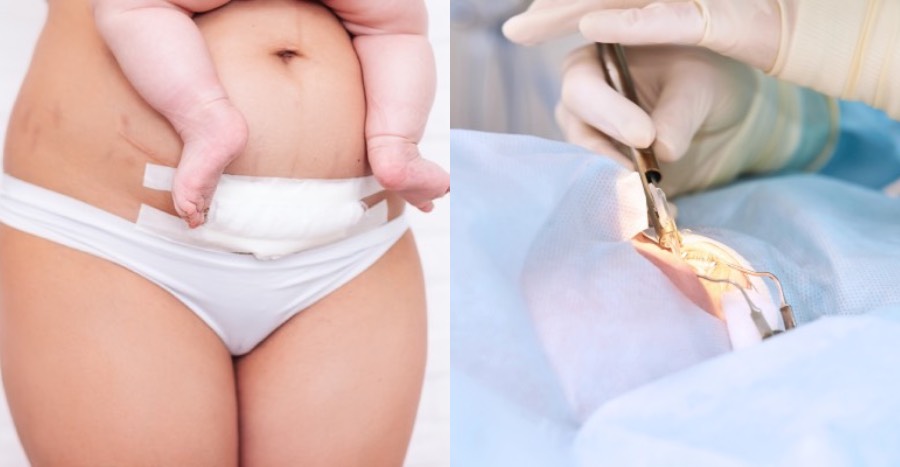

Every pregnancy journey is beautiful and unique — whether it’s a natural birth or a C-section, both bring a new life into the world.
But while each has its own healing process, C-section scars require extra care to ensure a smooth recovery. Without the right attention, the scar can linger far longer than you’d like.
If you’re preparing for a C-section, here’s everything you need to know, including medical tips for fast healing and effective scar fading.
- Meet Our Expert
- The Different Types of C-Section Closures and Scars
- Duration of C-Section Scar Healing and Fading
- Factors That Affect the Appearance of a C-Section Scar
- Common Misconceptions About C-Section Scars
- Skincare Ingredients to Avoid on Fresh C-Section Scars
- Traditional Methods to Reduce C-Section Scars
- How Diet and Lifestyle Affect C-Section Scar Healing
Meet Our Expert
Dr Tey Hong Liang is the Clinical Director at the Centre for Medical Technologies & Innovations (CMTi), National Healthcare Group, Singapore. He also serves as an Associate Professor and Co-Director of the Skin Research Programme at the Lee Kong Chian School of Medicine, Nanyang Technological University, Singapore, and is a Senior Consultant at the National Skin Centre, Singapore.
The Different Types of C-Section Closures and Scars
Source: Depositphotos
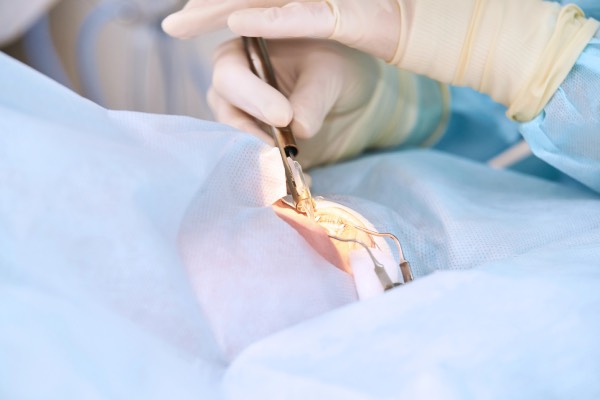
As women, we tend to be self-conscious about the marks our bodies carry and a C-section scar is no exception! According to Dr Tey Hong Liang, C-section incisions can vary, affecting how the scar heals:
1. Low transverse incision (Pfannenstiel)
- Most common type of c-section incision
- A horizontal incision just above the pubic hairline
- Heals well and is less likely to develop complications
2. Vertical incision (Classical)
- Runs from the navel to the pubic area
- Typically used in emergency situations or preterm deliveries
- More prone to complications and visible scarring
3. Low vertical incision
- Used only in specific medical cases
Duration of C-Section Scar Healing and Fading
Source: Depositphotos
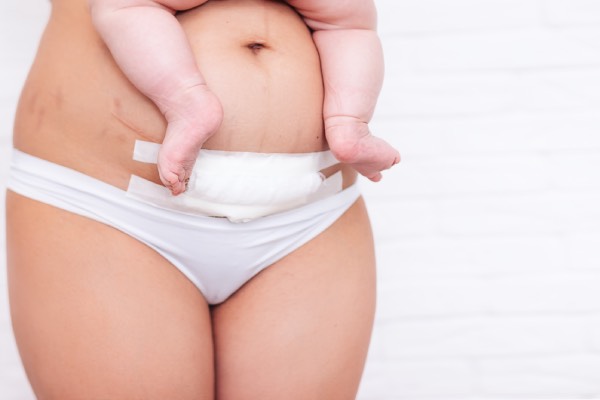
Dr Tey explains that a C-section incision typically “takes about six to eight weeks” for initial healing, during which “the scar appears red and raised.”
“And in the first year after a C-section, the scar typically flattens and lightens, turning pink or purple. By one to two years, the scar often fades to a pale, thin line, but this varies by individuals.”
Postpartum recovery also plays a role in scar healing. Dr Tey notes that physical activity, such as “excessive bending or lifting, can stretch the scar, while poor sleep and high stress levels may delay tissue repair.”
Factors That Affect the Appearance of a C-Section Scar
While there are many factors that can affect the appearance of a C-section scar. Dr Tey states a few crucial ones:
Genetics
Source: Depositphotos
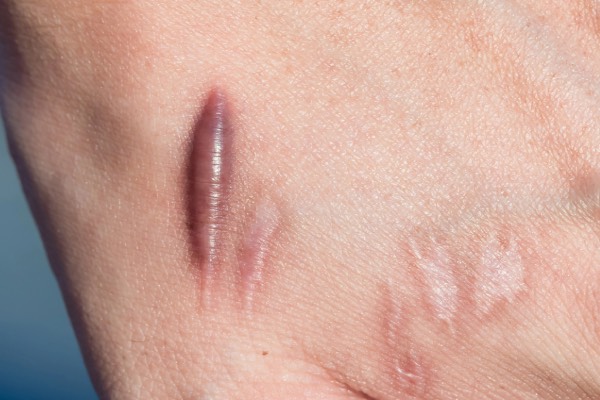
Genetically, some people naturally form thicker scars or keloids. Not to mention, those with darker skin tones are also more prone to hyperpigmentation and keloids.
While genetics play a big role, “proper wound care post-surgery can help minimise complications” and improve overall healing.
Tension of the Scar
Dr Tey elaborates further, highlighting the role of tension in scar formation. He explains that “excessive movement or weight gain can stretch the scar.” These high tension in scars increases the likelihood of it “becoming raised and thickened, and may even lead to keloid formation.”
Infection or Poor Healing
Source: Depositphotos
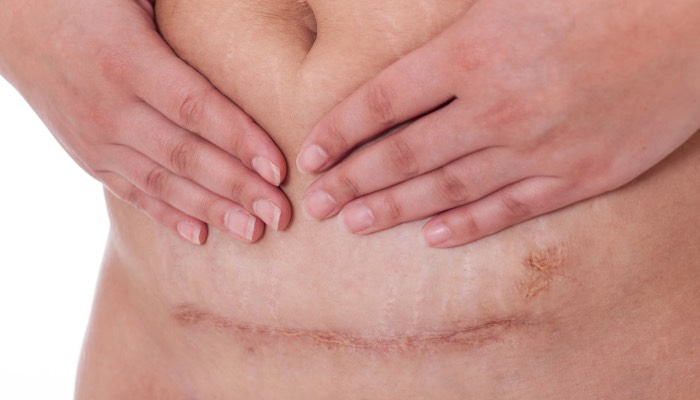
A compromised healing process can make scars more pronounced. Dr Tey warns that “infection or poor healing of the scar could lead to thickened or hypertrophic scars and keloids.” Furthermore, “diabetic patients or those on certain immuno-suppressive medications may experience poor wound healing, increasing the risk of raised scars.”
Hence why proper wound care and early treatment of infections are crucial.
Apart from these, Dr Tey also highlighted that “people with darker skin tones are more prone to hypertrophic and keloid scars. And, individuals with a family history of keloids are at higher risk too!”
Common Misconceptions About C-Section Scars
When it comes to C-section scars, there’s no shortage of myths floating around. Dr Tey clears up some of the most common ones:
Source: Depositphotos
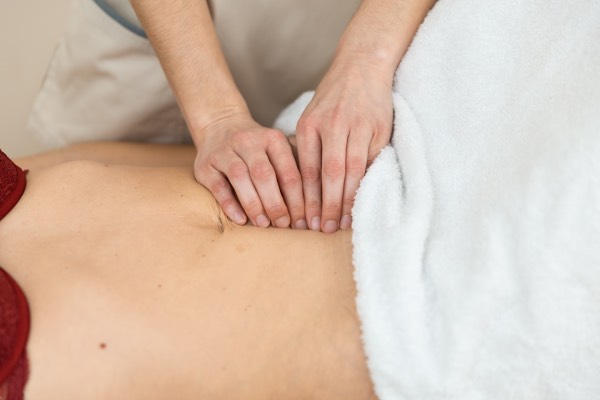
One popular misconception is that “massaging the scar too early helps healing.” However, Dr Tey warns that “early massage can disrupt the healing process” and it “should only be done after full wound closure at about six weeks.”
Another myth is that “tanning helps the scar blend in with the skin tone.” In reality, Dr Tey said that “this is not true as UV exposure can actually worsen discolouration.”
Skincare Ingredients to Avoid on Fresh C-Section Scars
Source: Depositphotos
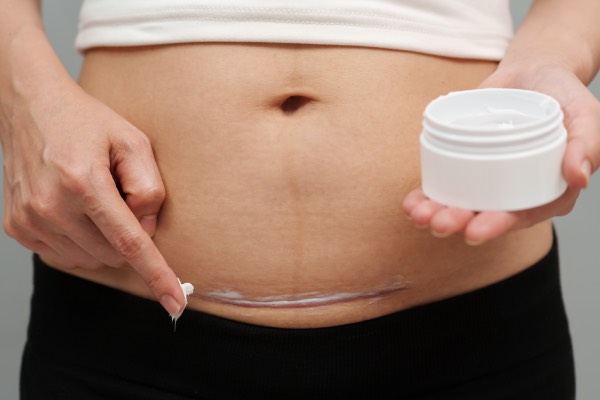
While proper wound care is essential, not all skincare products are safe for fresh C-section scars. Some products you’d want to avoid using, includes:
- Alcohol-based products as they can dry out and irritate the wound
- Retinoids (vitamin A derivatives) as they can be too harsh during early healing stages
- Fragranced lotions, creams, as well as essential oils to prevent irritation or allergic reactions
Traditional Methods to Reduce C-Section Scars
Source: Depositphotos
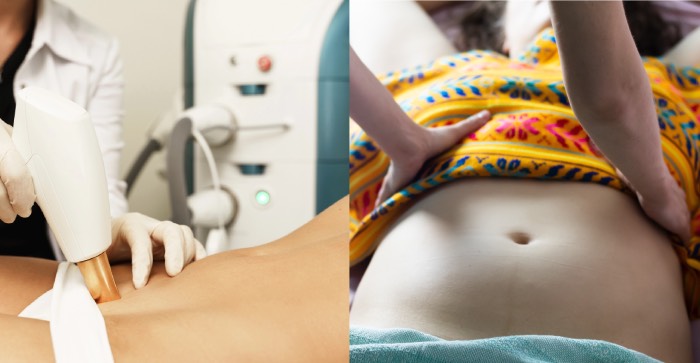
Many often rely on traditional methods to minimise C-section scars, from silicone sheets to laser treatments. However, with so many options available, how do you know which one works best?
Dr Tey shares insights on the most effective methods that you can consider in reducing C-section scars:
- Silicone Sheets or Gel is used to reduce scar thickness and redness for mild scars
- Steroid Injections help to flatten keloid or hypertrophic scars
- Scar Massage helps to improve circulation in the area around the scar and loosens the tissue. However, this should only be done once the scar has fully healed.
- Pulsed Dye Laser (PDL) helps to target blood vessels in the scar tissue, helping to reduce the redness and promote a more natural skin tone.
- Fractional Laser targets the top layers of the skin to remove or smoothen out scar tissue, leading to a more even surface that makes the scar look flatter and less raised, especially with hypertrophic scars or keloids.
Besides these, Dr Tey also shares a new technology developed through his team’s research and innovation efforts.
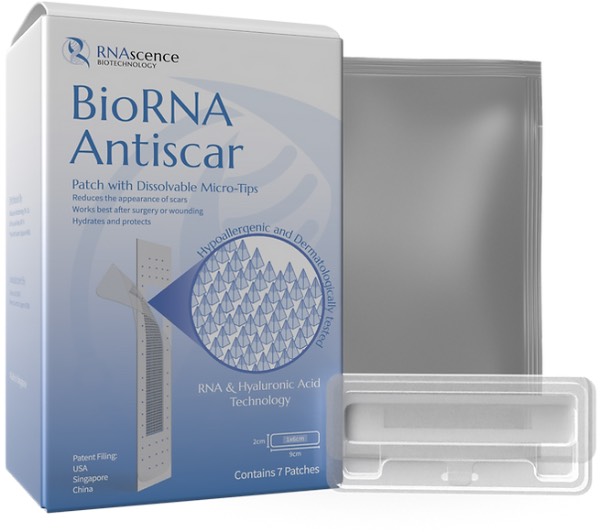
BioRNA Antiscar is a patch with dissolvable micro-tips that offers a science-backed method for treating various types of scars, including C-section scars.
He shared, “BioRNA Antiscar utilises RNA-based technology delivered through dissolvable micro-tips, which is a novel approach compared to traditional treatments like silicone sheets or creams.” This method “targets the root cause of scarring“.
For those considering this treatment, Dr Tey advises, “BioRNA can be applied once the wound is fully closed and stitches have been removed, typically after the first post-op check-up.”
He further explains that post-surgical scars require six to eight weeks of use, while existing scars may show improvements like flattening and reduced redness in as little as two weeks.
This water-resistant adhesive patch can be worn during showers, though overnight use on cleansed skin is recommended for optimal results.
How Diet and Lifestyle Affect C-Section Scar Healing

Source: Depositphotos
If you’re a fitness mom, you might want to hold back a little before getting back on the treadmill or lifting heavy weights, as your daily habits can significantly impact how a C-section scar heals.
Dr Tey emphasised it’s best to “avoid exercises that over-stretch your scars” and refrain from “smoking and consuming alcohol as it can slow down the healing process and worsen the appearance of your scar.”
He encourages you to “moisturise the scar to keep the skin supple”, which will aid and help “improve the healing.

