
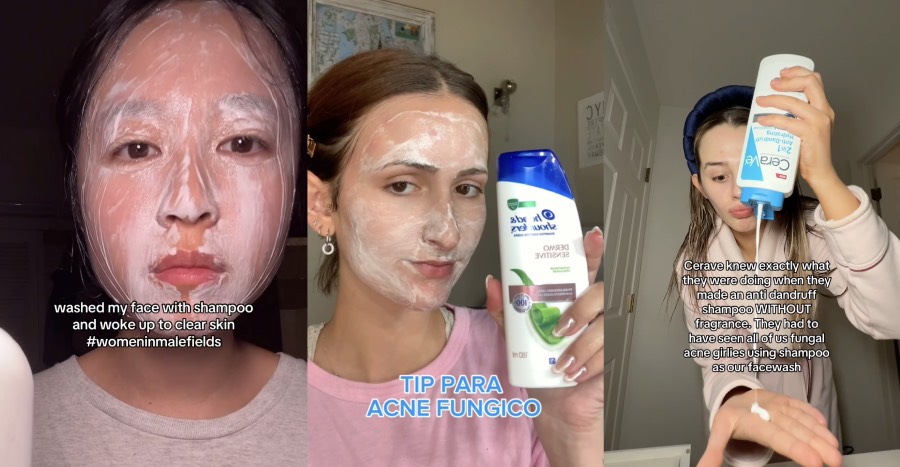

Dealing with dandruff is a common struggle, and many of us turn to dandruff shampoos to tackle those stubborn flakes. But recently, a new trend has been making waves — people are now trying dandruff shampoo for acne!
The big question is: does this hack actually work or could it end up causing more harm than good? To get to the bottom of it, we spoke to two dermatologists to find out if using dandruff shampoo for acne is really safe.
- Meet Our Experts
- Why Do Trends Gain Popularity on Social Media?
- The Trend of Using Dandruff Shampoo for Acne
- Can Dandruff Shampoos Really Help With Acne?
- The Ingredients in Dandruff Shampoo May Benefit Your Facial Skin Too
- Your Face Might Not Love That Dandruff Shampoo!
- That Shampoo’s pH Might Mess With Your Skin
- Dandruff Shampoo’s pH vs. Your Cleanser’s
- Your Skin Deserves More Than Targeted Treatments
- Tried the Trend, Now Regret It? Here’s the Fix
Meet Our Experts
- Dr Tan Siew Kiang is a dermatologist at The Dermatology Practice, accredited by the Ministry of Health, with over 10 years of experience. She specialises in general, aesthetic, and laser dermatology.
- Dr Mok Zhun Rui is a Consultant Dermatologist at The Dermatology Practice @ Camden, specialising in acne, eczema, psoriasis, immunodermatology, advanced dermatosurgery, and Mohs Micrographic Surgery for treating skin cancers.
Why Do Trends Gain Popularity on Social Media?
Trends like using dandruff shampoo for acne often gain popularity on social media.
According to Dr Tan Siew Kiang, “It often started with a viral video posted by TikTokers with multi-million followers. So, it is not uncommon to see a lot of young patients following beauty trends or using TikTok viral beauty products.”
@jonathanjoly POV my daughter tries to explain her skincare routine to me 😩🧐 #jonathanjoly #skincare #daughter
She added that she has seen many “young patients as young as nine to 10 years old using more than 10 products on their face. And these beauty trends or products are usually inexpensive. A lot of times, they are DIY hacks.”
The Trend of Using Dandruff Shampoo for Acne
The idea of using dandruff shampoo as a face wash has been trending lately. But what’s the dermatologist’s take on this?
As a matter of fact, Dr Tan said, “Using dandruff shampoo as a face wash is not a new thing. We have been prescribing anti-fungal shampoos with selenium sulfide or ketoconazole to treat seborrhoeic dermatitis, a skin condition that causes red, scaly, inflamed patches on the scalp and face.”
“Anti-fungal shampoos decrease yeast overgrowth and oiliness, which contribute to seborrhoeic dermatitis,” he continues.
@livvvmarkley Still testing this out, but I love it so much so far #fungalacne #headandshoulders #skincare
Echoing similar sentiments, Dr Mok Zhun Rui elaborated, “For skincare-related trends, we should delve into the medical science and clinical benefits behind using certain products for specific indications.
Using dandruff shampoo as a face wash is a trend that’s been gaining traction, particularly for tackling fungal acne.”
However, he emphasised, “Do bear in mind that everyone has a skin type, composition, and sensitivity threshold. Moreover, not all acne on the face is solely related to fungus, with seborrhoea and hormones being examples of other triggers.”
Related Read: What Is Fungal Acne? We Share 20 Fungal Acne-Safe Skincare and Makeup Products to Use
Can Dandruff Shampoos Really Help With Acne?
When asked if dandruff can cause acne, and whether it’s necessary to use dandruff shampoo on the face to tackle acne issues.
@camilitagold ¿Sabías que el shampoo Head & Shoulders puede ser tu aliado contra el acné fúngico? 🌿✨ @headandshoulders Gracias a su ingrediente activo, el *piritionato de zinc*, es capaz de combatir la levadura responsable del acné fúngico. 💙 Yo lo uso como mascarilla facial, dejándolo actuar unos minutos antes de enjuagar. ¡Un truco económico y efectivo! 🙌 Recuerda consultar a un dermatólogo antes de probarlo. 😉 ✨ *Tu piel, tu prioridad.* ✨ #AcnéFúngico #SkincareTips #MascarillaCasera #HeadAndShoulders #SkincareEfectivo #CuidaTuPiel #AcnéControl #TipsDeBelleza #RutinaDeCuidado #RemediosCaseros
Dr Tan clarified, “Dandruff does not cause acne.”
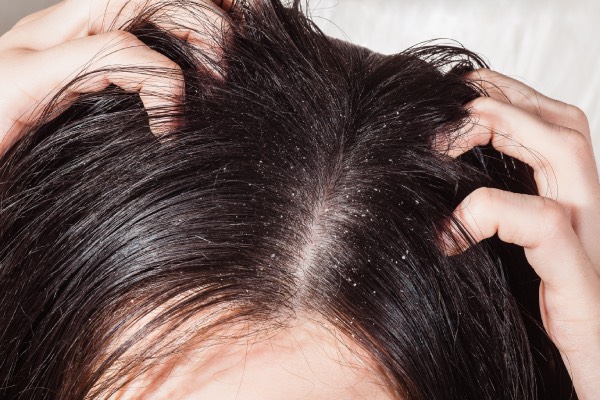
“Dandruff happens when the excessive sebum or oil on the scalp is broken down by the yeast called Malassezia. This leads to red, patchy skin, itching, and dead skin cells in the form of white flakes, which are dandruff,” she explained.
Source: Depositphotos
Both dandruff and acne are caused by excessive oil production, and many people have mistaken that dandruff causes acne. According to Dr Tan, there are many causes of acne, including:
- Diet
- Medications
- Cosmetics
- Genetic factors
- Fungal infection
- Bacterial infection
- Hormonal influences
She added that “dandruff shampoo may be useful for patients with fungal acne, also known as pityrosporum folliculitis.”
The Ingredients in Dandruff Shampoo May Benefit Your Facial Skin Too
Source: Depositphotos
Meanwhile, when asked about the ingredients in dandruff shampoo that might make it suitable for facial skin, Dr Tan explained, “Dandruff shampoo often contains zinc pyrithione or selenium sulfide, which combat fungal overgrowth. That’s why it is useful for fungal acne.”
Echoing this, Dr Mok elaborated, “All skin carries with it its own skin microbiome–comprising bacterial and fungal elements. This type of acne is caused by an overgrowth of yeast on the skin, leading to inflammation and breakouts.”
Source: Depositphotos
Additionally, “dandruff shampoos, which typically contain ingredients like ketoconazole, zinc pyrithione, or selenium sulfide, can help combat this yeast overgrowth.”
He shared that the “components of dandruff shampoo that make it useful for facial skin are its antifungal and anti-inflammatory properties.” For instance:
- Ketoconazole can decrease fungal levels on the skin
- Zinc pyrithione helps reduce inflammation and prevent fungal growth
Your Face Might Not Love That Dandruff Shampoo!
When asked about the potential risks, Dr Tan explained that most acne is usually caused by bacterial infection, which means dandruff shampoo may not be effective for all types of acne.
Source: Depositphotos
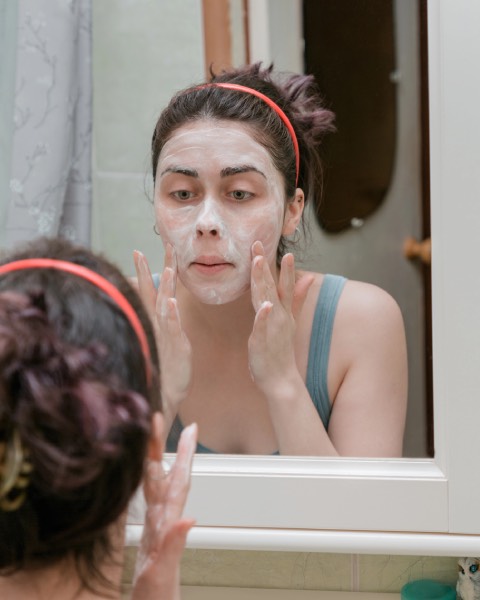
“Dandruff shampoo, when used on a daily basis, can dry out the skin and might lead to irritation causing red and sensitive skin. So even though we know that antifungal shampoos work well in eliminating the fungal overgrowth, we seldom prescribe them to patients with acne rosacea as these patients have sensitive skin which is prone to flush and turn red,” she added.
Sharing a similar concern, Dr Mok pointed out that “the skin on your face is generally more sensitive than your scalp, so using a shampoo that’s formulated for the scalp can be too harsh.”
That Shampoo’s pH Might Mess With Your Skin
Source: Depositphotos
According to Dr Tan, the difference in pH levels between dandruff shampoos and facial cleansers could potentially affect skin health.
“Dandruff shampoos can vary in pH; most commercial options tend to be slightly acidic to neutral, with pH ranging from 4.5 to 7. That’s why it’s not uncommon for patients to complain of dry and frizzy hair after using dandruff or antifungal shampoo,” she added.
Dr Tan further shared that when it comes to facial skin, pH balance is crucial. “A pH of 5.5 is slightly acidic and is the ideal pH level for healthy skin. It helps maintain the skin’s barrier, which protects against harmful microorganisms and environmental factors,” she explained.
Dandruff Shampoo’s pH vs. Your Cleanser’s
Dr Mok shared that “as a product category, dandruff shampoos have a range of pH”, which is quite similar to facial cleansers. The difference in pH levels between the two is not significant. According to Dr Mok, the pH levels are as follows:
- Dandruff shampoos typically range from pH 4.5 to 6.5
- Facial cleansers usually range from pH 4.5 to 5.5
He explained that “the skin’s natural pH is around 5.5, and products that are closer to this value are deemed as more gentle and less disruptive to the skin barrier.”
Your Skin Deserves More Than Targeted Treatments
Dermatologists agree that managing fungal acne or seborrhoeic dermatitis on the face involves more than just applying antifungal shampoos.
Source: Depositphotos
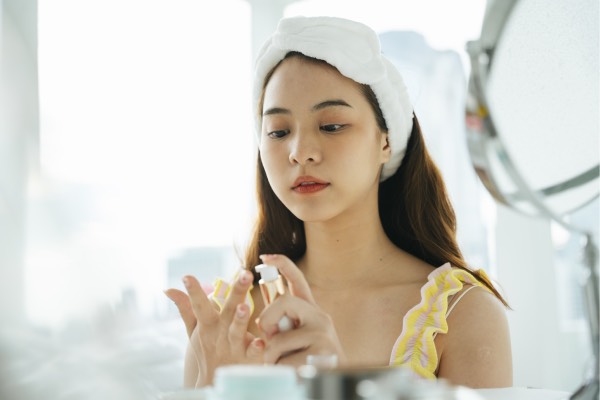
Dr Tan shared, “Other than antifungal shampoo, patients with seborrhoeic dermatitis and fungal acne often need concurrent treatment such as anti-inflammatory creams, antifungal creams, and sometimes oral antifungals.”
Source: Depositphotos
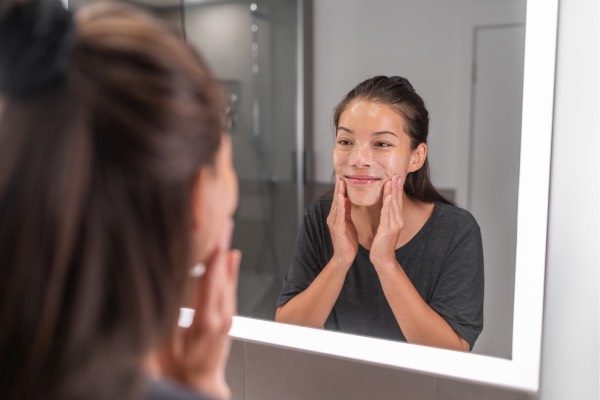
Meanwhile, Dr Mok also suggested exploring other options, especially for those looking for targeted ingredients or treatments.
“Consider using cleansers that contain salicylic acid or benzoyl peroxide, which can help control acne-causing bacteria,” he advises.
He also suggested “using a gentle, non-comedogenic moisturiser to keep your skin hydrated and balanced.”
For those needing anti-inflammatory effects, Dr Mok added, “For an anti-inflammatory effect, low potency topical corticosteroid creams or topical steroid sparing creams can be useful as well.”
Related Read: Salicylic Acid Is the Most Searched Skincare Ingredient of 2024 – Here’s Everything You Need to Know About It
Tried the Trend, Now Regret It? Here’s the Fix
If you’re already experiencing irritation or discomfort after trying dandruff shampoo on your face, Dr Tan advised, “Switch to a gentle facial wash and hydrating moisturiser and consult a medical professional if you’re experiencing burning or stinging.”
She emphasised that “there are many other effective and safe treatments available for acne.” So, it’s always best to seek professional advice rather than relying solely on trending hacks.
@milkydew Skincare tip🙄 #womeninmalefields #skincareroutine #koreanskincare #girlhood #relatable #skincare #skincare101 #manifestation #manifesting #headandshoulders
Before jumping on any skincare trends circulating on social media, Dr Mok shared a few important things to keep in mind:
- Consult a dermatologist: Get professional advice before trying any new skincare products or treatments. The condition you are experiencing may or may not be the same as what is depicted on social media.
- Be cautious of harsh ingredients: Avoid using products that contain harsh ingredients that can irritate your skin.
- Don’t believe everything you see: Social media can be misleading, so take skincare trends with a grain of salt and do your own research.

