
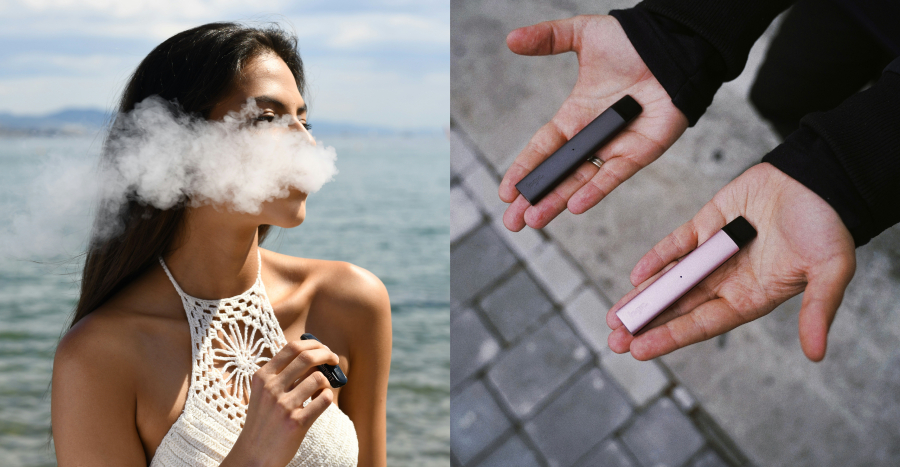

Once hailed as the “safer” alternative to smoking, vaping has surged in popularity, particularly among younger generations. But when it comes to your skin, does making the switch from cigarettes to e-cigarettes truly make a difference?
To separate fact from fiction, we turned to Dr Ang Sue May, Consultant Dermatologist at Shine Dermatology, whose expertise lies in acne, scarring, and overall skin health.
Vaping vs. Smoking: Is It a Lesser Evil?
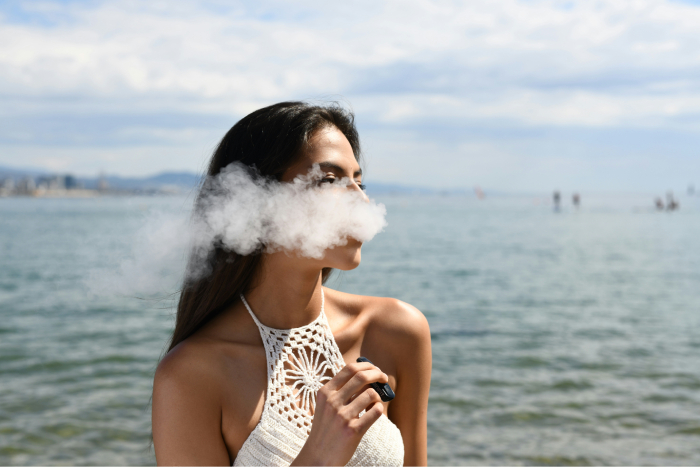
Credit: FORMM agency on Unsplash
Dr Ang notes that while vaping may seem less harmful than traditional smoking, it’s far from a free pass for your skin.
“Vaping and traditional smoking both negatively impact the skin, but the mechanisms and severity differ. While vaping may have fewer harmful effects on the skin than traditional smoking, it is by no means safe,” she explains.
The key culprits? Nicotine, dehydration, and oxidative stress. “Vaping might be slightly less harsh on the skin than smoking, but it still contributes to premature ageing, dryness, and acne,” Dr Ang shares.
Smoking, however, brings an even heavier toll with more severe signs of ageing, pigmentation issues, and a heightened risk of skin cancer due to its higher levels of toxic chemicals.
Even though vaping might be the lesser of two evils, it’s no friend to your skin.
The Skin-Damaging Ingredients in Your Vape
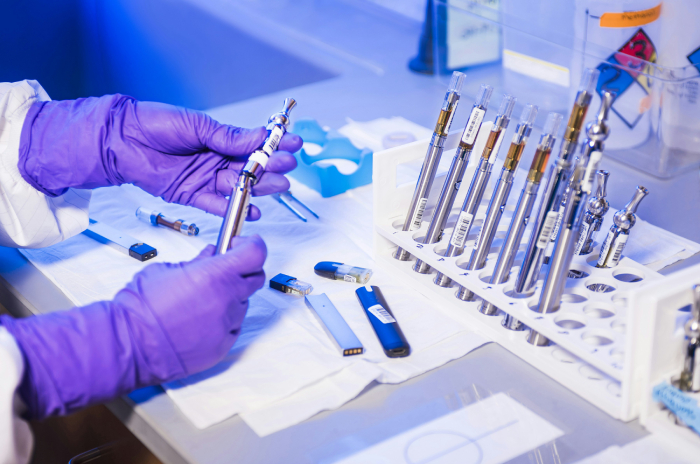
Credit: CDC on Unsplash
While vape pens might look sleek, their ingredients can spell trouble for your complexion. Dr Ang breaks down the most harmful components:
- Nicotine: “Nicotine acts as a vasoconstrictor, meaning it narrows blood vessels, reducing blood flow to the skin. This can impair the skin’s ability to heal and repair itself, potentially leading to dryness, premature ageing, and acne breakouts due to increased sebum production.”
- Propylene glycol (PG): “This common humectant in e-liquids can cause susceptibility to contact dermatitis, particularly in sensitive individuals. Symptoms include redness, itching, and rashes.”
- Flavourings: Many e-cigarette flavourings contain chemical compounds like diacetyl, acetoin, or acetyl propionyl. “These can increase the likelihood of perioral dermatitis, a type of rash around the mouth, due to contact irritation,” Dr Ang warns.
- Heavy metals: “E-cigarettes may contain trace amounts of heavy metals, like nickel, lead, or chromium, from the heating elements. These metals can induce allergic reactions or contact dermatitis when the vapour or residue makes contact with the skin.”
Skin Problems Associated with Vaping
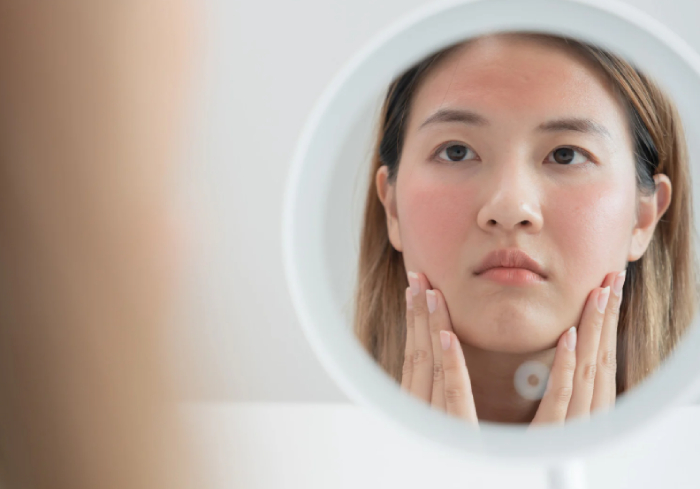
If you’re a regular vaper, you may notice changes in your skin that are hard to ignore. According to Dr Ang, the most common issues include:
- Dry, flaky skin: Dehydration from vaping can lead to rough texture and dullness.
- Breakouts: Hormonal changes caused by vaping may increase oil production, leading to acne, particularly around the jawline and mouth.
- Redness and irritation: Inflammatory responses from vaping chemicals can show up as redness, especially in sensitive skin types.
- Dark under-eye circles: Reduced blood circulation can leave you looking perpetually tired.
- Slow healing: “Nicotine may delay the body’s ability to heal, meaning that even minor cuts or acne scars could take longer to fade,” Dr Ang notes.
Worse, vaping can exacerbate pre-existing conditions like eczema, rosacea, and acne.
“Nicotine in e-cigarettes reduces blood flow by constricting blood vessels. This can impair skin healing and exacerbate conditions like acne and eczema,” Dr Ang explains.
The chemicals in e-cigarette aerosols also trigger inflammation and oxidative stress, which can worsen inflammatory skin disorders like rosacea and eczema while contributing to breakouts.
How Vaping Speeds Up Skin Ageing
It’s no secret that smoking ages the skin, but vaping isn’t much better.
Dr Ang explains, “Vaping can negatively impact skin ageing and collagen production in several ways, primarily due to the harmful chemicals present in e-cigarette vapour.”
Nicotine plays a significant role:
- “Nicotine restricts blood flow to the skin by constricting blood vessels, which reduces oxygen and nutrient delivery to skin cells.”
- “The vapour from e-cigarettes contains various chemicals, including formaldehyde, acetaldehyde, and acrolein, which can generate free radicals.” These free radicals wreak havoc on the skin, damaging its proteins, lipids, and DNA while accelerating the breakdown of collagen and elastin.
The result? Wrinkles, fine lines, and sagging skin – all hallmarks of premature ageing.
The Impact on Skin Hydration and Barrier Function
Vaping doesn’t just age the skin; it also weakens its natural defences.
“The chemicals in vaping aerosols, particularly nicotine and other solvents, may cause dehydration by reducing moisture in the skin and increasing transepidermal water loss (TEWL),” says Dr Ang. This weakens the skin barrier, making it more vulnerable to environmental damage, irritation, and sensitivity.
The double whammy of dehydration and reduced blood flow leaves the skin looking dull and lifeless. Add oxidative stress to the mix, and you’ve got a recipe for compromised skin health.
Can You Reverse the Damage?
There’s some good news: quitting vaping can give your skin a chance to recover.
“The effects of vaping on the skin can be partially reversible if a person stops vaping,” says Dr Ang. While factors like the duration and intensity of vaping play a role, adopting a targeted skincare routine can help speed up the healing process.
Dr Ang’s Tips for Skin-Savvy Vapers
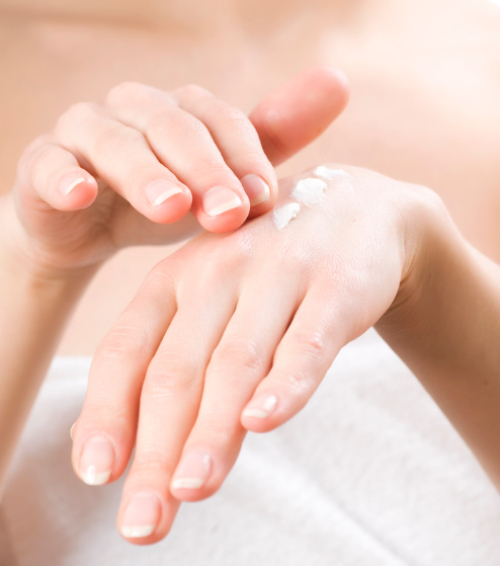
If you’re not ready to part with your vape, you can still mitigate some of its effects. Dr Ang recommends:
- Hydration: Drink plenty of water to combat dehydration.
- Sun protection: Use a broad-spectrum sunscreen daily.
- Barrier support: Opt for moisturisers with hydrating ingredients like hyaluronic acid, ceramides, and panthenol.
- Gentle products: Avoid harsh cleansers that could irritate sensitive skin.
- Diet matters: Eat foods rich in antioxidants, vitamins C and E, and omega-3 fatty acids to support skin repair.
The Long-Term Effects of Vaping
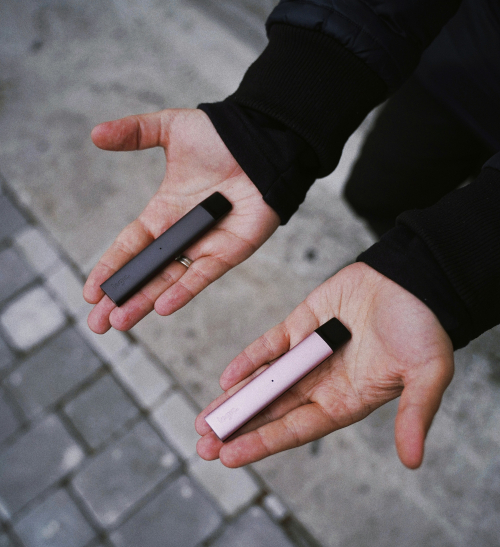
Credit: Olena Bohovyk on Unsplash
Emerging research continues to shed light on vaping’s long-term impact on the skin.
“One of the primary ingredients in e-cigarettes, nicotine, has been shown to constrict blood vessels, reducing blood flow to the skin and limiting the delivery of oxygen and essential nutrients,” Dr Ang says.
Over time, this can lead to dull skin, fine lines, wrinkles, and decreased elasticity due to reduced collagen production.
While long-term studies are still limited, the parallels with smoking are clear. Dr Ang cautions, “Further studies will be crucial to fully understand the extent of long-term damage to skin health.”
Research has also revealed that vaping may disrupt hormonal health, adding another layer of concern. A study by Hertility found that women who vape have lower levels of anti-Müllerian hormone (AMH), a marker used to measure ovarian reserve.
Vaping might seem like a modern alternative to smoking, but the effects on your skin are far from glamorous. Your health and complexion deserve better – perhaps it’s time to put that vape pen down.
Featured image credits: FORMM agency/Unsplash and Olena Bohovyk/Unsplash

