

The age-old debate between air drying and blow drying our hair continues to divide the crowd.
Each hair-drying method has its proponents, claiming various benefits and detriments for hair and scalp health.
To uncover the truth behind which hair drying method is truly better, we interviewed three experts in haircare to get their professional insights on the matter.
In this article, we delve into the downsides of both air drying and blow drying, with these experts sharing their recommendations, tips, and professional advice on hair and scalp care!
Meet the Experts:
- Shawn Lim is the Head of Research at Dyson.
- Issac Ng is a Senior Director at Bada Hair.
- Dr Daniel Chang is an Aesthetic Physician and Hair + Laser Specialist.
- Air Dry or Blow Dry: Which Is Actually Better for Our Hair?
- Are There Downsides To Blow Drying Our Hair?
- Is Heat Really That Bad for Our Scalp and Hair?
- Recommended Hair Dryer and Heat Settings
- What To Do When You Don't Have a Hairdryer
- Disadvantages of Going To Sleep With Wet Hair
- Good Hair and Scalp Habits To Cultivate
Air Dry or Blow Dry: Which Is Actually Better for Our Hair?
Credits: @Los Muertos Crew/Pexels
Some might argue that long term exposure to heat from blow drying our hair can damage our scalp and hair.
On the contrary, leaving our hair wet can also create a breeding ground for build-up and bacteria on our scalp.
While there are always two sides to the argument, we actually have a conclusive answer to this question, one our experts helped answer.
Leaving our hair to air dry leads to over production of oil, which leads to an oilier scalp and hair. Our hair can also become frizzier, more brittle, and more prone to breakage, when left to air dry.
Are There Downsides To Blow Drying Our Hair?
Credits: @user18526052/Freepik
Senior Director at Bada Hair, Issac Ng, asserts that there are no down sides to blow drying your hairunless you’re over drying it. According to him, blow drying your hair keeps it healthier and promotes hair growth.
“Exposing your hair to high temperatures for prolonged periods of time can strip away its natural moisture, and weaken the hair fibre, leaving it dry, brittle, and prone to breakage.” says Shawn Lim, Head of Research at Dyson.
Overexposure to heat can also impact our scalp, leading to irritation, dryness, and an imbalance in its natural oil production.
While Dr Daniel Chang posits that blow drying is superior to air drying, he seconds Shawn’s statement, reiterating that high heat can weaken hair and lead to breakage and hair loss over time. Salons counter this problem by using a mid-range temperature to blow dry our hair.
Is Heat Really That Bad for Our Scalp and Hair?
Credits: @diana.grytsku/Freepik
All three experts unanimously agreed that heat can be detrimental to our scalp and hair.
Dr Chang says, “Excessive heat strips your hair and scalp of moisture, and can cause scalp irritation and inflammation.”
“Moisture balance is essential for a healthy scalp, helping to reduce itching, irritation, and flaking. Healthy hair grows from a healthy scalp, so a damaged scalp may also impact hair quality,” adds Shawn.
Besides causing irritation to our scalp, overexposure to heat can also lead to hair loss and hairs breakage. In Dr Chang’s words, “Just like overeating, anything done in excess is bad for our scalp and hair.”
Recommended Hair Dryer and Heat Settings
Credits: @Element5 Digital/Pexels
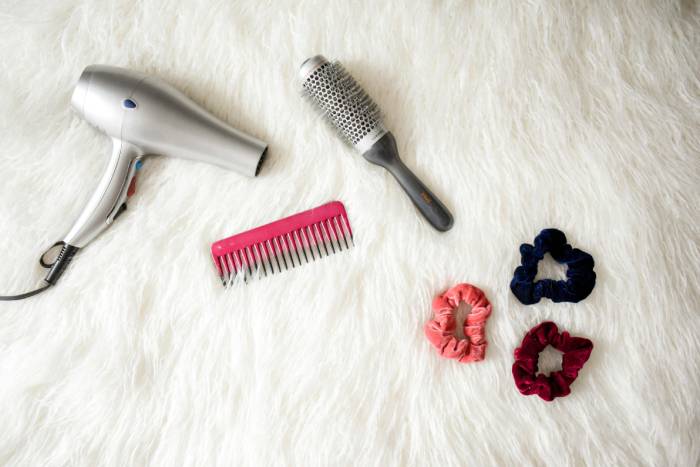
When looking for the right hair dryer, take your hair type into consideration.
“It depends on the thickness of your hair. For those with thin hair, one which provides gentle heat and airflow is good, preventing our delicate strands from becoming overheated and brittle. Thick or coarse hair requires more power to dry effectively.” Dr Chang explains.
Shawn, being in the research team at Dyson, lets us in on the prowess of the Dyson Supersonic Nural. “It’s equipped with advanced Nural sensors that automatically adjust the heat as it approaches your scalp, preventing damage and ensuring comfort.”
Issac endorses the Supersonic Nural too, for its ability to maintain an optimal temperature of 55°C, which is ideal for protecting scalp health while still drying your hair efficiently.
The heat and airflow settings on your hairdryer also makes a difference. Dr Chang explains, “it can be beneficial to dry your hair with cold air, over hot air, as it protects your hair against heat damage while maintaining your hair’s natural moisture levels.”
“Hot air, on the other hand, can damage the structural bonds of your hair proteins, leading to frizz and breakage,” he adds.
Some might worry that lower heat is less efficient at drying hair, leading to a longer blow-dry time.
Shawn counters this point with a tip, “lower heat settings combined with powerful airflow can be just as effective as drying your hair with high heat. Generally, during blow drying, you should avoid concentrating on a single area for too long.”
What To Do When You Don’t Have a Hairdryer
Credits: Freepik
Everything is fine and dandy when we have our trusted hairdryer with us, but what happens when we find ourselves in situations without a hairdryer?
Whether you’re travelling, or have a faulty hairdryer on hand, these experts share the best tips on what you can do to dry your hair without a hairdryer.
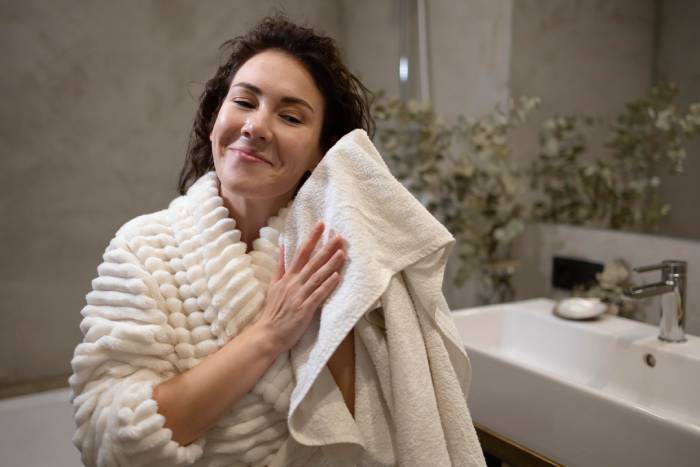
While air-drying your hair does not hurt your scalp, all three of these experts recommend towel-drying your hair to remove excess moisture. The same should always be done if you choose to air-dry your hair.
Issac recommends towel-drying your hair for at least five to 10 minutes. If that’s too much of a hassle, you can also consider Dr Chang’s alternative suggestion of wrapping your wet hair with a towel to absorb excess water.
Shawn advises, “If you’re traveling and don’t have access to a hair dryer, be mindful of not tying up wet hair or sleeping with it damp, as this can lead to scalp irritation. Instead, use a microfibre towel and avoid aggressive rubbing to keep your hair and scalp healthy.”
Disadvantages of Going To Sleep With Wet Hair
Credits: @jcomp/Freepik
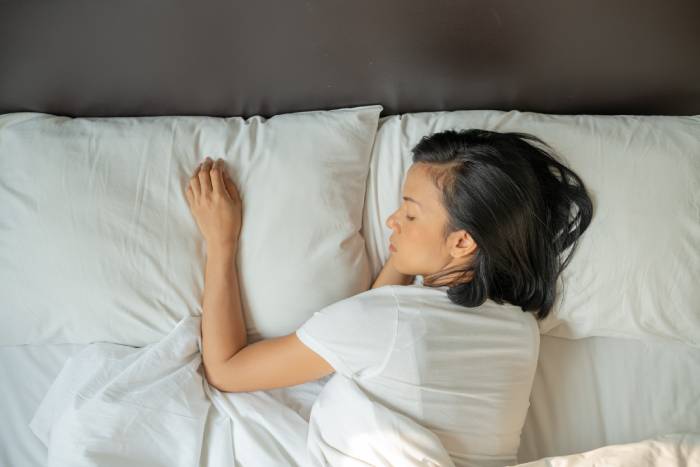
If there’s one thing there is no debate about, it would be the detriments of going to bed with wet hair.
“Sleeping with wet hair can be quite harmful to your overall scalp health as wet hair is more fragile and prone to breakage when subjected to friction during sleeping,” Shawn explains.
Not only does it weaken hair health, it can affect your scalp as well. According to Dr Chang, the wet environment encourages the breeding of microbes, which leads to a smelly, easily inflamed scalp.
Shawn adds, “The dampness of your bedding and pillows could also encourage growth of bacteria and fungi, fostering an unhealthy environment for your scalp and hair. It is best to ensure that you have fully dried your scalp before going to bed.”
Good Hair and Scalp Habits To Cultivate
Credits: Freepik
Blow drying your hair isn’t the only thing you can do to maintain your hair and scalp health! These experts share some of their best tips to cultivating good hair and scalp habits.
Dr Chang recommends people with oily scalp to wash their hair more frequently, and to cleanse their scalp at least two to three times a week to remove build-up. Massage the shampoo in to your scalp to properly cleanse it.
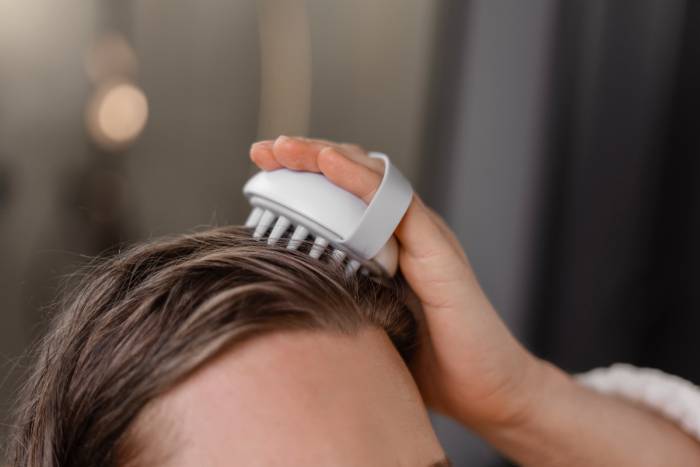
Issac suggests using a scalp brush when shampooing your hair, for about three to five minutes.
While cleansing your scalp and hair is incredibly important, it is also just as important to keep them protected. Issac recommends applying scalp protection tonic on your scalp, and heat protection serum.
Shawn says, “Conditioners are some of the best products you can use on your hair. They coat the hair and lubricate it meaning a comb can more easily reduce static build up and reduce flyaways. Conditioners do not repair hair, but they help to reduce the signs of damage for the future.”
Dr Chang seconds this, reiterating the importance of using conditioner after shampooing, with focus on the tips of your hair.
Other factors that can affect your scalp health are pollution, hair pulling (wearing your hair in super tight looks, as well as the weather. Take these factors into consideration when crafting the ideal haircare routine for yourself!
Featured image credits: @Los Muertos Crew/Pexels, Freepik

