
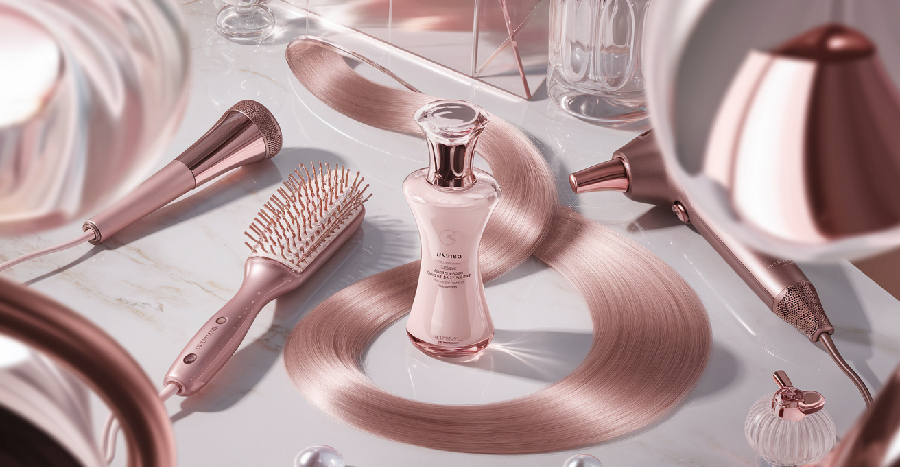

If you’ve ever spent an hour perfecting your blowout only to have it fall flat the moment you step outside in Singapore’s humidity, you’re not alone. Many of us have experienced that frustrating moment when our carefully styled hair suddenly loses its shape, volume, and shine — especially in our region’s challenging climate.
But what if there was a product specifically designed to extend the life of your blowout, protect your strands from heat damage, and combat frizz all at once? Enter: hair primer, the unsung hero in many professional stylists’ kits that hasn’t quite made its way into everyone’s daily routine yet.
Much like how makeup primer creates a smooth canvas for foundation, hair primer prepares your strands for styling while adding a protective barrier. At Daily Vanity, we’ve seen countless beauty innovations come and go, but hair primers have proven to be a game-changing addition worth the extra step in your hair care routine.
In this comprehensive guide, we’ll explore everything you need to know about hair primers — from what they are and how they work to application techniques and product recommendations for different hair types. Whether you’re dealing with frizz, heat damage, or styles that don’t last, understanding hair primers might just revolutionise your hair game.
- Hair Primer 101
- What Is Hair Primer?
- Benefits of Using Hair Primer
- How Hair Primer Differs From Other Hair Products
- When to Use Hair Primer in Your Routine
- How to Apply Hair Primer Correctly
- Choosing the Right Hair Primer for Your Hair Type
- Common Mistakes When Using Hair Primer
- Best Hair Primers for Different Hair Needs
- Frequently Asked Questions About Hair Primers
- Conclusion: Is Hair Primer Worth Adding to Your Routine?
What Is Hair Primer?
Hair primer is a preparatory product applied to clean, damp hair before styling. Think of it as laying the foundation for your hair styling process — similar to how primer works in your makeup routine. These lightweight formulas are designed to create an optimal base for other styling products and heat tools, while simultaneously providing protection and enhancing styling results.
Unlike regular styling products that sit on top of your hair, primers work at a deeper level to prepare the hair cuticle for styling. They typically contain ingredients that smooth the hair shaft, add moisture, and create a protective barrier against environmental factors and heat damage.
Most hair primers come in spray, cream, or serum formulations, making them easy to distribute through your strands. They’re formulated to be lightweight enough that they won’t weigh your hair down or leave any residue, yet effective enough to make a noticeable difference in how your style holds up throughout the day.
Benefits of Using Hair Primer
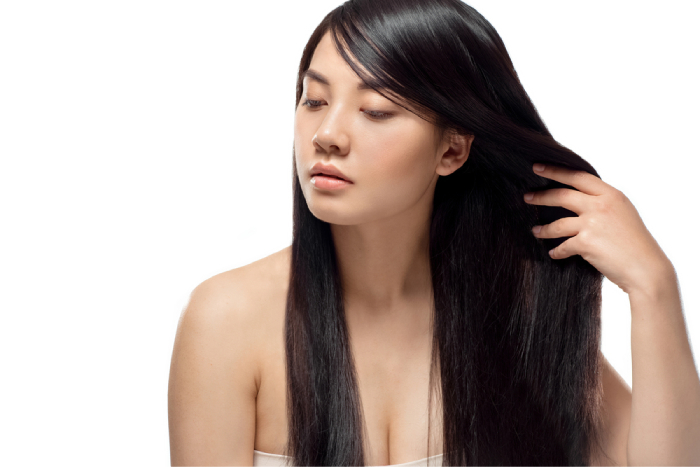
Photo from Depositphotos
The advantages of incorporating a hair primer into your routine extend far beyond just helping your blowout last longer. Here’s why this step deserves a permanent spot in your hair care regimen:
Extended Style Longevity
One of the primary benefits of hair primer is its ability to help your style last longer. By creating a foundation that helps products adhere better to the hair shaft, primers help lock in your style, reducing the need for mid-day touch-ups. This is especially valuable in Singapore and Malaysia’s humid climate, where hairstyles often fall flat quickly.
Heat Protection
Most quality hair primers offer heat protection, creating a barrier between your strands and hot styling tools. This helps prevent the damage that can lead to dry, brittle hair and split ends. With regular use, this protection can significantly reduce the cumulative damage from heat styling.
Frizz Control
Hair primers are excellent at taming frizz and flyaways by smoothing the hair cuticle. They seal moisture into the hair shaft while keeping humidity out, which is essential for maintaining sleek, polished styles in our region’s high humidity conditions.
Improved Product Performance
When applied before other styling products, primers help those products work more effectively. They create an even surface for product application, ensuring that your styling products distribute evenly and perform at their best.
Added Moisture and Shine
Many hair primers contain hydrating ingredients that infuse the hair with moisture, resulting in softer, shinier strands. This added hydration is beneficial for all hair types but particularly helpful for those with dry or damaged hair.
Protection Against Environmental Damage
Beyond heat protection, many primers also shield hair from environmental stressors like pollution, UV rays, and free radicals. This comprehensive protection helps maintain hair health over time.
How Hair Primer Differs From Other Hair Products
With the vast array of hair products available, it’s easy to wonder if a primer is just another unnecessary addition to an already crowded beauty shelf. However, hair primers serve a unique purpose that distinguishes them from other common hair products:
Primer vs. Leave-In Conditioner
While both products are applied to damp hair, leave-in conditioners focus primarily on moisture and detangling, whereas primers are specifically formulated to prepare hair for heat styling and extend the life of your style. Leave-in conditioners might not offer heat protection or have the holding properties that primers provide.
Primer vs. Heat Protectant
Heat protectants are designed solely to shield hair from thermal damage. While most hair primers include heat protection, they offer additional benefits like improving style longevity, enhancing product performance, and controlling frizz. A primer is essentially a multitasking product that includes heat protection as just one of its benefits.
Primer vs. Styling Products
Traditional styling products like mousses, gels, and hairsprays are applied after blow-drying or heat styling to set and hold your style. In contrast, primers are applied before heat styling to prepare the hair and create an optimal foundation. They work beneath your styling products rather than replacing them.
The unique positioning of hair primers in your routine — applied after conditioning but before styling — fills a gap that other products don’t address. Rather than competing with your existing products, a good hair primer enhances their performance and adds a layer of protection that benefits your hair’s long-term health.
When to Use Hair Primer in Your Routine
Photos from Depositphotos
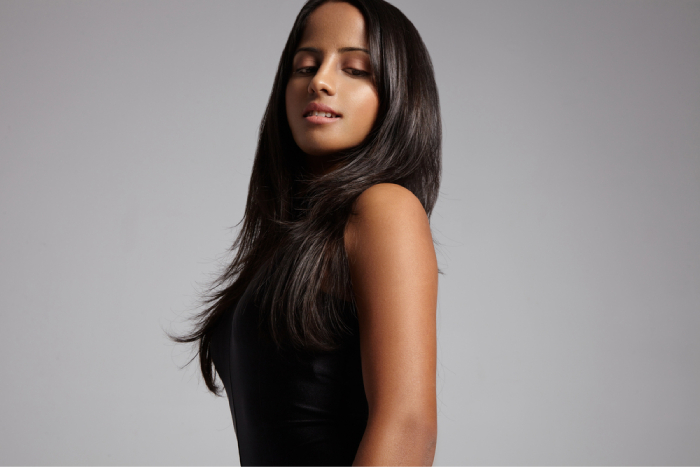
Incorporating hair primer into your routine is simple once you understand where it fits in your styling sequence. Here’s a step-by-step guide to help you maximise its benefits:
The Optimal Hair Care Sequence
For best results, follow this order when styling your hair:
- Cleanse and condition: Start with clean, freshly washed hair. Use shampoo and conditioner suitable for your hair type to create a clean base for your styling products.
- Towel dry: Gently remove excess moisture with a microfiber towel or an old cotton t-shirt to prevent frizz and breakage.
- Apply leave-in treatments: If you use leave-in conditioners or treatments for specific concerns like damage repair, apply these first.
- Apply hair primer: Once your hair is damp (not soaking wet), evenly distribute hair primer from roots to ends or as directed on the product packaging.
- Add styling products: Apply any additional styling products like volumizers, mousses, or curl enhancers after the primer has been distributed.
- Heat style as desired: Proceed with blow-drying, straightening, curling, or other heat styling techniques.
- Finish with setting products: Complete your style with hairspray or other finishing products if needed.
Special Occasion vs. Everyday Use
While some people incorporate hair primer into their daily styling routine, you might choose to reserve it for special occasions when you want your style to last longer or when you’re using high-heat tools.
For special events or important days when you need your hair to look its best for extended periods, hair primer is particularly valuable. It provides that extra insurance that your style will hold up through long hours, photography sessions, or challenging weather conditions.
However, if you heat style frequently or live in a humid environment like Singapore or Malaysia, using a primer daily can provide ongoing protection and improve your daily hair appearance. The cumulative benefits of regular heat protection can significantly impact your hair’s long-term health and appearance.
How to Apply Hair Primer Correctly
Proper application is key to getting the most out of your hair primer. Follow these expert techniques to ensure you’re using it effectively:
Step-by-Step Application Guide
1. Start with damp hair: Hair primers work best on damp, towel-dried hair. Your hair should be moist but not dripping wet.
2. Determine the right amount: The amount of primer you need depends on your hair length and thickness. As a general rule:
- Short hair: 1-2 pumps or sprays
- Medium-length hair: 2-3 pumps or sprays
- Long hair: 3-4 pumps or sprays
- Thick hair: Add an extra pump regardless of length
3. Distribution technique: For spray formulas, spritz evenly throughout hair, focusing on mid-lengths and ends. For cream or serum formulas, dispense the product into your palm, rub hands together, and then work through your hair, again concentrating on mid-lengths and ends.
4. Comb through: Use a wide-tooth comb or your fingers to ensure even distribution and to remove any tangles.
5. Focus on problem areas: Pay extra attention to areas prone to frizz or those that tend to lose style quickly, such as around the face or crown.
Adjusting Application for Your Hair Type
Different hair types benefit from slightly different application approaches:
Fine Hair: Use a lightweight, volumizing primer and focus application on the mid-lengths and ends to avoid weighing down the roots. Be especially careful not to use too much product.
Thick or Coarse Hair: These hair types can often benefit from a more generous application of primer, particularly in areas that tend to be resistant to styling or prone to frizz.
Curly Hair: Apply primer using a scrunching motion to encourage curl formation. Make sure the product is evenly distributed throughout the hair for consistent curl definition.
Straight Hair: Focus on smooth, even distribution from roots to ends, using a comb to ensure the product is working through all layers of your hair.
Choosing the Right Hair Primer for Your Hair Type
Photos from Depositphotos
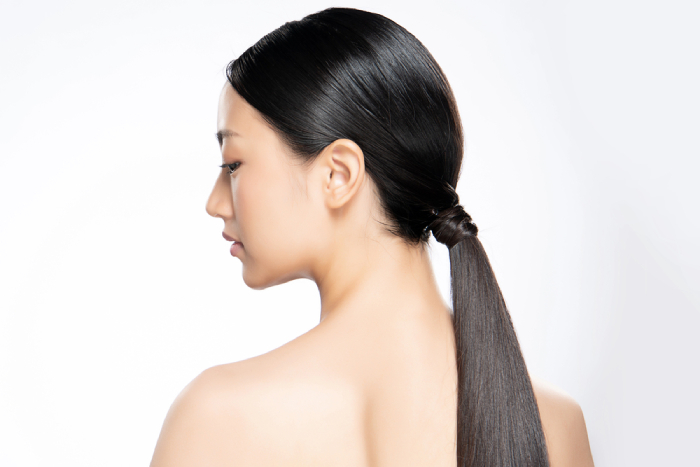
Not all hair primers are created equal, and finding the right one for your specific hair type and concerns will significantly impact your results. Here’s how to navigate the options:
For Fine or Thin Hair
Look for lightweight, volumizing primers that won’t weigh your hair down. Avoid heavy, oil-based formulas that might make fine hair look limp. Primers in spray form tend to work well for this hair type as they distribute lightly and evenly.
Key ingredients to look for: Panthenol (vitamin B5) for volume without weight, rice proteins for strengthening, and lightweight silicones that won’t cause buildup.
For Thick or Coarse Hair
Thicker hair types benefit from more substantial primers with extra moisturizing and smoothing properties. Cream or serum formulations often work best as they can provide the necessary weight to tame and control thicker strands.
Key ingredients to look for: Argan oil, shea butter, and heavier silicones that can smooth and control thick hair while adding shine.
For Curly or Wavy Hair
Curly hair needs primers that enhance definition while fighting frizz and adding moisture. Look for products specifically formulated to enhance curl pattern and provide long-lasting hold without crunchiness.
Key ingredients to look for: Glycerin for moisture retention, defining polymers that enhance curl pattern, and anti-humidity ingredients to combat frizz.
For Damaged or Color-Treated Hair
If your hair is damaged from chemical treatments or excessive heat styling, look for primers with reparative ingredients and extra protection. These will help prevent further damage while improving the appearance of your current hair condition.
Key ingredients to look for: Bond-building technology, ceramides, proteins, UV filters, and antioxidants that protect color from fading.
For Humidity Protection
For those living in Singapore, Malaysia, or other humid environments, anti-humidity properties are essential. Look for primers specifically formulated to create a barrier against moisture in the air.
Key ingredients to look for: Silicones, anti-humidity polymers, and ingredients that seal the cuticle against environmental moisture.
Remember that your hair needs may change seasonally or with different styling goals, so having a couple of primer options can be beneficial for addressing various concerns as they arise. The good news is that many modern primers are designed to address multiple issues simultaneously, offering a comprehensive solution in a single product.
Common Mistakes When Using Hair Primer
Even with the best hair primer, application errors can prevent you from getting optimal results. Avoid these common mistakes to ensure your primer performs as intended:
Using Too Much Product
One of the most frequent mistakes is applying too much primer, which can leave hair feeling heavy, greasy, or stiff. Hair primer is typically concentrated, so a little goes a long way. Start with less than you think you need — you can always add more if necessary.
Applying to the Wrong Hair State
Applying primer to completely dry or soaking wet hair reduces its effectiveness. Most primers are designed to be used on damp, towel-dried hair. This allows for optimal absorption and distribution without dilution or resistance.
Uneven Distribution
Failing to distribute the primer evenly throughout your hair can result in inconsistent styling results — some sections may hold beautifully while others quickly lose their shape. Always comb through after applying to ensure even coverage.
Neglecting to Layer Products Properly
Using primer in the wrong order within your product lineup can diminish its benefits. Remember that primers should generally be applied after leave-in treatments but before styling products. This positioning allows them to create a proper foundation for your style.
Using the Wrong Formula for Your Hair Type
Not all primers work for all hair types. Using a heavy, moisturizing primer on fine hair or a lightweight primer on coarse, frizz-prone hair will yield disappointing results. Make sure you’re choosing a formula specifically designed for your hair type and concerns.
Ignoring the Roots or Ends
Depending on your hair type and the specific primer you’re using, you may need to focus on particular areas of your hair. For volumizing primers, concentrating on the roots is important; for smoothing primers, the ends and mid-lengths often need the most attention. Read product instructions carefully to understand the optimal application for your specific primer.
Best Hair Primers for Different Hair Needs
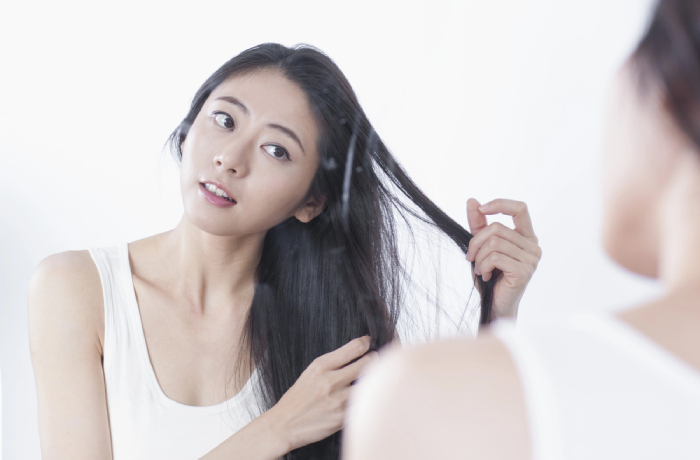
With an understanding of how to select and apply hair primer, let’s explore some excellent options for different hair types and styling goals. These recommendations span various price points and formulations to help you find your perfect match:
For Volume and Body
If flat, lifeless hair is your concern, these primers add lift and fullness without weighing your style down:
- Bumble and Bumble Thickening Go Big Treatment: This lightweight spray adds substantial volume at the roots and creates all-over thickness that lasts through styling. US$36 at its website
- Living Proof Full Thickening Cream: A versatile primer that creates noticeable volume while providing heat protection up to 230°C. US$32 at its website
For Smoothness and Frizz Control
Combat humidity and keep frizz at bay with these smoothing primers:
- Color Wow Dream Coat Supernatural Spray: This innovative anti-humidity treatment creates a waterproof barrier that keeps hair sleek for up to 3-4 shampoos. S$56.10 at iHerb
- Kérastase Discipline Fluidissime Spray: Provides heat protection while controlling frizz and creating a smooth finish, ideal for humid climates like Singapore’s. US$50 at its website
For Damaged or Processed Hair
These reparative primers strengthen compromised hair while providing styling benefits:
- Olaplex No.6 Bond Smoother: Strengthens hair bonds while reducing frizz and adding moisture, perfect for chemically treated hair. S$52 at Sephora
- Redken Acidic Bonding Concentrate Leave-In Treatment: Repairs damage, strengthens the hair fiber, and provides heat protection up to 230°C. S$28.50 at Venus Beauty
For Curly Hair
Enhance and define curls with these curl-friendly primers:
- Briogeo Curl Charisma Rice Amino + Avocado Leave-In Defining Cream: Defines curls while fighting frizz and adding moisture and shine. S$40 at Sephora
- Pattern Beauty Leave-In Conditioner: A versatile primer that enhances curl pattern while providing moisture and slip for easier styling. US$49 at its website
For Blowout Perfection
These primers are specifically formulated to enhance and extend the life of a blowout:
- Kérastase Nutritive Blow-Dry Primer: Protects against heat while adding nutrition to dry hair, creating a smooth, long-lasting blowout. S$55 at Shopee
- Virtue The Perfect Ending Split End Serum: Seals split ends and prevents further damage while creating a smooth canvas for heat styling. S$70 at Sephora
Remember that the best primer for you may change depending on your current hair condition, styling goals, or even the weather. Many beauty enthusiasts at Daily Vanity have found that having a small collection of primers to address different concerns provides the most versatile styling options.
Frequently Asked Questions About Hair Primers
Can I use hair primer every day?
Yes, most hair primers are formulated to be gentle enough for daily use. In fact, using a primer with heat protection daily can help prevent cumulative damage if you regularly heat style your hair. However, if you notice product buildup, you might want to clarify your hair once a week.
Do I need a separate heat protectant if I use a hair primer?
Most quality hair primers include heat protection as one of their benefits, so you typically don’t need a separate heat protectant. However, check the product description to confirm that your primer offers adequate heat protection for the tools you use. If you’re using very high-heat tools (over 200°C), you might want to layer a specialized heat protectant for extra security.
Can hair primer replace my leave-in conditioner?
While some hair primers contain moisturizing ingredients, they’re not designed to replace a leave-in conditioner. If your hair needs significant moisture or detangling benefits, it’s best to use both products — apply the leave-in conditioner first, followed by the primer.
Will hair primer work if I air-dry my hair?
Yes, many hair primers can enhance air-dried styles by reducing frizz, adding definition, and providing environmental protection. Look for primers specifically formulated to work with air-drying or that mention benefits for both heat styling and air-drying.
How long does hair primer last in my hair?
The effects of hair primer typically last until your next shampoo. Some advanced formulas claim to last through multiple washes, but most will need to be reapplied after shampooing. The style-extending benefits generally last 24-48 hours, depending on your hair type, the specific primer, and environmental conditions.
Can I use makeup primer on my hair?
No, makeup primer and hair primer serve different functions and have different formulations. Makeup primer is designed for skin and contains ingredients that may be too heavy or inappropriate for hair. Stick to products specifically formulated for hair to avoid potential damage or disappointing results.
Conclusion: Is Hair Primer Worth Adding to Your Routine?
After exploring the world of hair primers, the verdict from the Daily Vanity team is a resounding yes — especially for those living in Singapore’s and Malaysia’s challenging climate or anyone who regularly heat styles their hair.
Hair primer fills a unique gap in the styling process, creating that crucial foundation that helps everything else work better. From protecting your strands against heat and environmental damage to extending the life of your blowout and enhancing the performance of your other styling products, a quality hair primer offers multiple benefits in a single step.
The key to success lies in selecting the right formula for your specific hair type and concerns and applying it correctly. When used properly, hair primer shouldn’t feel like an extra burden in your routine but rather a time-saving addition that reduces the need for mid-day touch-ups and frequent restyling.
As with any beauty product, there may be some trial and error involved in finding your perfect match. Consider starting with a versatile primer that addresses your primary concern, whether that’s adding volume, controlling frizz, or protecting damaged strands.
Remember that investing in a quality primer is also an investment in your hair’s long-term health, particularly if you regularly use heat styling tools. By creating that protective barrier between your strands and potential damage sources, you’re taking a proactive step toward maintaining healthier, more resilient hair.
Ready to transform your blowouts from short-lived to long-lasting? It might be time to make room for a hair primer in your hair care arsenal.
For more beauty tips and product recommendations, visit Daily Vanity, Singapore’s #1 beauty media, where we bring you the latest in skincare, makeup, and hair care innovations.
🔥 Turn These Tips Into Professional Results
Love what you’ve learned? Take it to the pros! Our readers can now access exclusive hair vouchers with incredible bonus value:
Stackable vouchers for bigger transformations
Valid till November 2025
Use for ANY service (color, treatments, cuts & more)

