
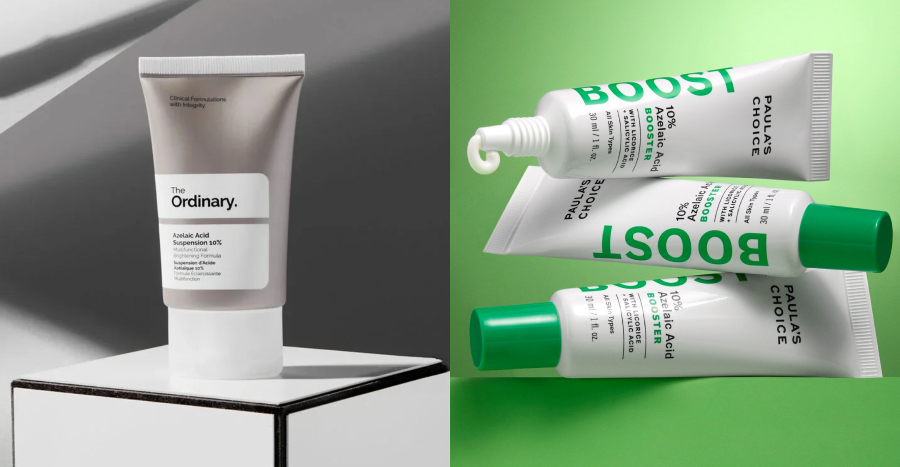

When it comes to skincare ingredients, azelaic acid might not have the same star power as retinol or hyaluronic acid, but trust us – it’s a true unsung hero.
Here’s everything you need to know about this ingredient and why it’s quickly becoming a must-have in beauty routines everywhere.
What Is Azelaic Acid?

Credit: Pixabay
Azelaic acid is a naturally occurring compound found in grains like barley, wheat, and rye. In skincare, it’s valued for its impressive anti-inflammatory, antibacterial, and brightening properties.
Dermatologists often recommend it for conditions like acne, rosacea, and hyperpigmentation because it’s effective yet gentle enough for sensitive skin.
Fun fact: Unlike some harsher actives, azelaic acid is non-comedogenic, meaning it won’t clog your pores. It’s also pregnancy-safe, making it a great choice for mums-to-be.
Benefits
1. Fights Acne
Azelaic acid works by targeting the bacteria (Cutibacterium acnes) that contribute to breakouts. Its gentle exfoliating properties also help to unclog pores, reducing the formation of blackheads and whiteheads. Unlike traditional acne treatments, it’s less likely to cause irritation.
2. Calms Redness and Inflammation
If rosacea or sensitive skin is your main concern, azelaic acid can be your best friend. Its anti-inflammatory properties help reduce redness, making it a popular choice for soothing irritated or reactive skin.
3. Evens Skin Tone
Hyperpigmentation, meet your match. This star ingredient inhibits tyrosinase, an enzyme involved in melanin production, to fade dark spots, post-acne marks, and melasma over time. It’s a gentler alternative to hydroquinone, perfect for those with sensitive skin.
4. Safe for All Skin Types
Whether your skin is oily, dry, combination, or sensitive, azelaic acid is universally loved. Its lightweight texture absorbs easily without leaving a greasy residue.
Best Azelaic Acid Products to Try
With its ability to tackle multiple skin concerns at once, azelaic acid is like the Swiss Army knife of skincare.
Ready to make the switch? Shop our curated picks or consult your dermatologist to find the right product for your needs.
Paula’s Choice 10% Azelaic Acid Booster
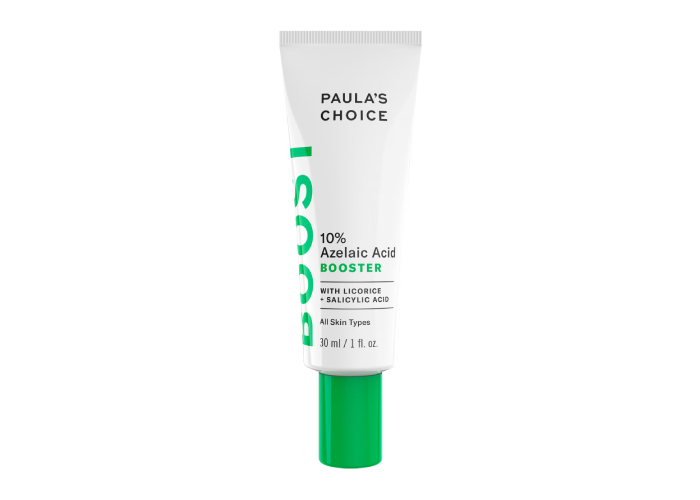
This booster combines azelaic acid with salicylic acid to gently exfoliate and minimise blackheads, while adenosine keeps your skin soothed and comfortable.
Perfect for layering with your favourite serums or moisturisers, it’s a must-have for anyone dealing with uneven texture or stubborn spots.
Paula’s Choice 10% Azelaic Acid Booster retails for S$73.80 (30ml) on Cult Beauty.
The Ordinary Azelaic Acid Suspension 10%
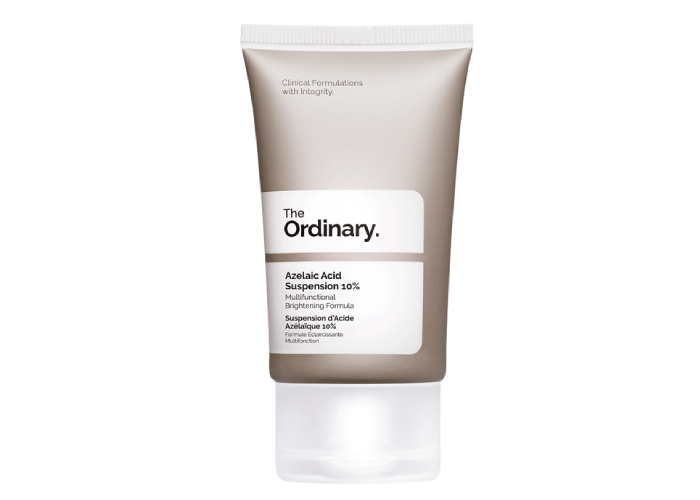
Budget-friendly and effective, this creamy suspension brightens skin tone and smooths texture with its high concentration of azelaic acid. Thanks to its gentle formula, it’s perfect for daily use, even if you’re new to the ingredient.
Ideal for tackling dullness and uneven skin tone without breaking the bank.
The Ordinary Azelaic Acid Suspension 10% Cream retails for S$19.98 (30ml) and S$49.32 (100ml) on Cult Beauty.
Geek & Gorgeous aPAD 20% Azelaic Acid Derivative Serum
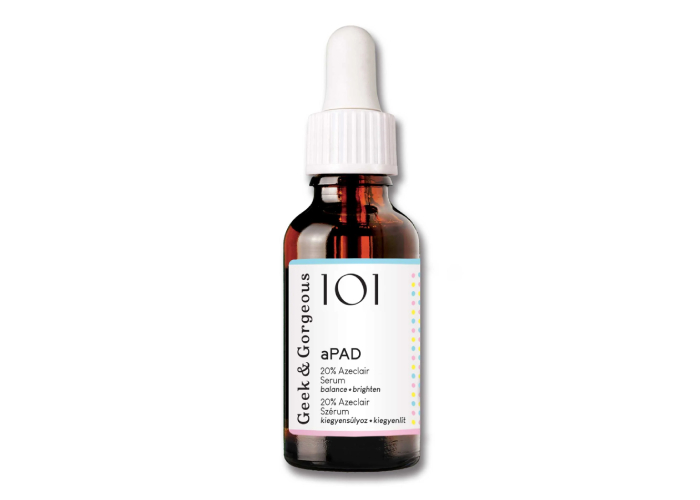
For those who prefer a lightweight, oil-free texture, this serum uses a next-gen derivative called Potassium Azeloyl Diglycinate (PAD). It’s a star when it comes to controlling oil, calming redness, and evening out pigmentation.
Layer it seamlessly into your routine for a brighter, shine-free complexion.
aPAD 20% Azelaic Acid Derivative Serum retails for S$25 (30ml) on Alchemistry.
Skinoren 20% Cream
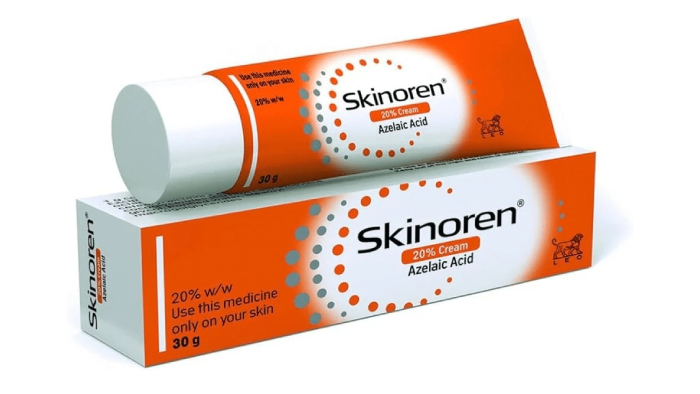
Dermatologist-approved for acne, rosacea, and pigmentation, Skinoren packs a potent punch with its 20% azelaic acid formula. Its anti-bacterial and anti-inflammatory properties make it a go-to for treating combination concerns like acne and melasma.
Skinoren 20% Cream retails for S$31.06 on Doctoroncall.com.
Frequently Asked Questions (FAQs)
Q: How Should I Use Azelaic Acid in My Routine?
A: Incorporating azelaic acid into your skincare routine is simple. Here’s how:
- Cleanse: Start with a gentle cleanser to prep your skin.
- Apply azelaic acid: Use a pea-sized amount after toning but before heavier creams or oils. For beginners, start with a lower concentration (like 10%) and work your way up to prescription-strength formulations if needed.
- Moisturise: Lock in hydration with a soothing moisturiser.
- Don’t skip sunscreen: Azelaic acid can make your skin more sensitive to sunlight, so SPF is non-negotiable.
Pro tip: You can use azelaic acid alongside other actives like niacinamide or hyaluronic acid, but avoid layering it with strong exfoliants (e.g., AHAs or BHAs) to minimise irritation.
Q: Can I Use Azelaic Acid Every Day?
A: Yes, azelaic acid is gentle enough for daily use. However, if you’re new to the ingredient, start with every other day to let your skin adjust.
Q: How Long Does It Take to See Results?
A: Most users notice an improvement in skin texture and tone within 4-6 weeks of consistent use. For hyperpigmentation, it may take up to three months.
Q: What Is the Difference Between Azelaic Acid and Salicylic Acid?
A: Both azelaic acid and salicylic acid are powerhouse skincare ingredients, but they work differently.
- Azelaic acid is a naturally occurring dicarboxylic acid found in grains like barley and wheat. It’s known for its anti-inflammatory, antibacterial, and brightening properties. Great for all skin types, especially sensitive, rosacea-prone, or redness-prone skin.
- Salicylic acid is a beta-hydroxy acid (BHA) derived from willow bark, primarily used to exfoliate and reduce excess oil. Best for oily or acne-prone skin. However, it may cause dryness or irritation in sensitive skin if overused.
-
Azelaic acid benefits
-
- Calms redness and inflammation, making it ideal for rosacea and sensitive skin.
- Fades dark spots and post-acne marks by inhibiting melanin production.
- Treats acne without being overly harsh or irritating.
-
Salicylic acid benefits
-
- Penetrates deep into pores to clear oil and dead skin cells.
- Reduces blackheads, whiteheads, and acne.
- Improves skin texture through gentle exfoliation.
Q: Can I Combine Azelaic Acid With Retinol?
A: Yes, but it’s best to use them at different times (e.g., azelaic acid in the morning and retinol at night) to minimise irritation.

