
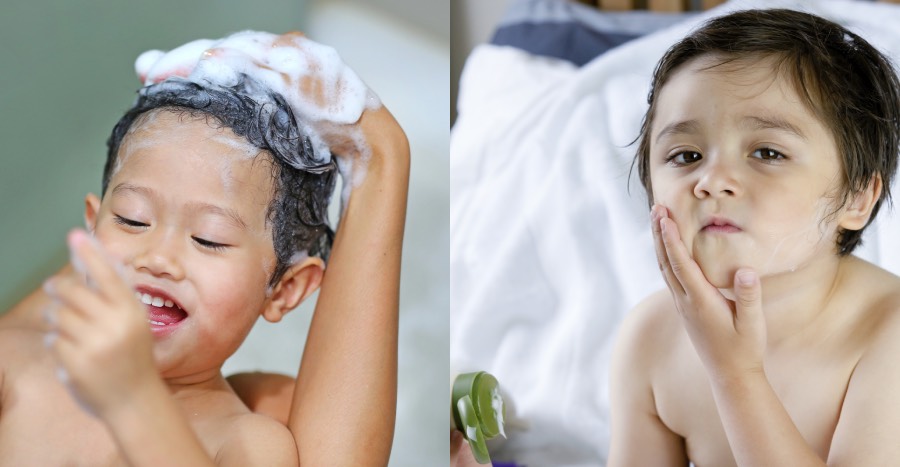

How soon should we introduce personal care products to our kids, or is it better to avoid them altogether?
A recent study has brought to light some important concerns regarding the potential effects of these common products on our children’s health. Although we often view them as necessary, the findings indicate there could be risks that we haven’t fully acknowledged.
Before we fill our shopping carts with these items for our youngsters, it’s a good idea to examine the research more closely and reconsider the decisions we make about their daily care routines.
Could Your Child’s Everyday Products Harm Their Health?
Source: Depositphotos
Recent studies show that common personal care products such as lotions, soaps, hair care items, and sunscreens might be putting children at risk of exposure to harmful substances.
These everyday products, frequently used, can include chemicals like phthalates, which are added to improve stability or scent, leading to concerns about their long-term health effects.
What’s particularly concerning is the way these chemicals enter our children’s bodies.
What Are Phthalates and Why Are They Concerning?
Phthalates are chemicals often present in personal care items, serving to enhance flexibility, stability, or to help distribute fragrances. These harmful compounds can be found in a wide range of products, including lotions, hair oils, soaps, and haircare items.
Children’s skin is more susceptible to absorbing chemicals due to its thinner and still-maturing nature. Even minimal, ongoing exposure to phthalates can build up over time, resulting in possible health concerns.
Source: Depositphotos
The research indicated that children who frequently used lotions, sunscreens, or other personal care items had elevated levels of phthalates in their bodies, especially those that leach from plastic packaging into these products.
Moreover, hair oils were significantly associated with increased levels of phthalates that are intentionally included in these personal care items.
Adding to our existing worries, the study also showed that boys typically had higher phthalate levels compared to girls. It also suggested that factors like brand choices, availability, and how products are used likely played a role in these exposure levels.
Budget Products May Contain More Harmful Chemicals
Source: Depositphotos
While high-end personal care products may appear to be the safer choice, they aren’t always within reach, financially. This often leads parents to choose more affordable options.
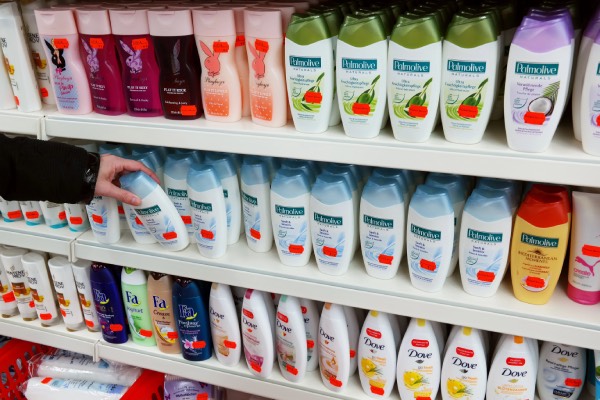
However, this decision can have drawbacks, as budget-friendly products, especially those from local stores or markets, tend to have higher levels of phthalates.
These items are frequently stored in plastic packaging for extended periods, and exposure to heat can cause harmful chemicals to leach into the product more easily.
So, although you might save some money, you could be exposing your child to potential health risks.
How to Spot Phthalates in Products
Source: Depositphotos
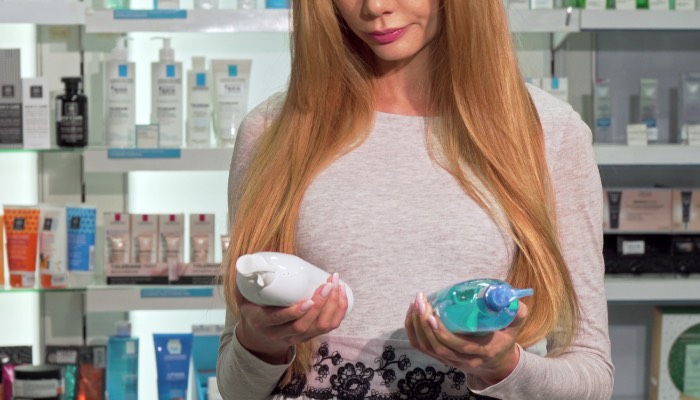
Phthalates can be tricky to avoid because they’re often hidden in the ingredients list. Look for these terms:
- DEP (Diethyl Phthalate),
- DBP (Dibutyl Phthalate),
- BBP (Benzyl Butyl Phthalate),
- and Fragrance or Parfum. Phthalates are often used to carry the scent in products, though it may not necessarily mean that all products with added fragrance have phthalates
While products labelled “phthalate-free” sound safer to purchase, the study showed that these products may still contain trace amounts of phthalates due to migration from plastic packaging.
So, even if a product claims to be free of phthalates, it’s still a good idea to check the packaging and choose items from reputable brands known for their safer, chemical-free formulas.
What If Your Child Has Eczema?
Source: Depositphotos
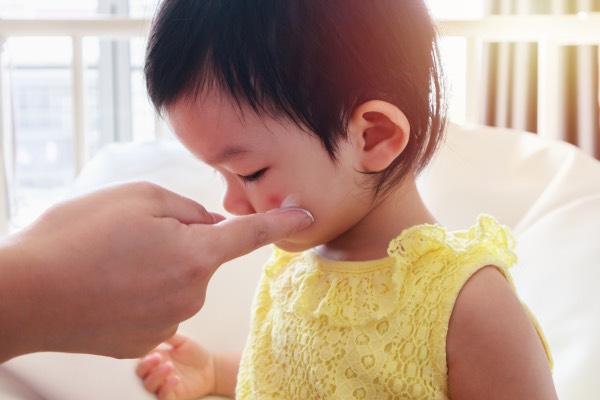
If your child has eczema, you probably know that picking the right products can be a bit of a challenge. With sensitive skin, you really need to pay attention to what’s in lotions and creams. So, what should you keep an eye out for?
For children dealing with eczema, it’s a good idea to choose products that are fragrance-free, hypoallergenic, and tested by dermatologists. Look for options labelled as gentle, moisturising, and free from harsh chemicals.
Things like petroleum jelly or certain fragrance-free emollients can really help calm dry, irritated skin without the worry of harmful chemicals like phthalates.
And don’t forget to check the ingredient list to steer clear of anything that might irritate your child’s skin.
Consider Safer Alternatives for Your Child’s Skincare
While it’s difficult to eliminate all exposure to phthalates, there are simple steps you can take to reduce their impact:
- Opt for non-toxic, child-friendly brands that prioritise safety
- Read labels carefully and avoid products with phthalates or other harmful chemicals
- Choose fragrance-free, dermatologist-tested products, especially if your child has sensitive skin or eczema
- Consider switching to natural alternatives, such as plant-based oils or balms, which are less likely to contain harmful chemicals
These actions can help protect your child from potential toxins in everyday skincare products.

