
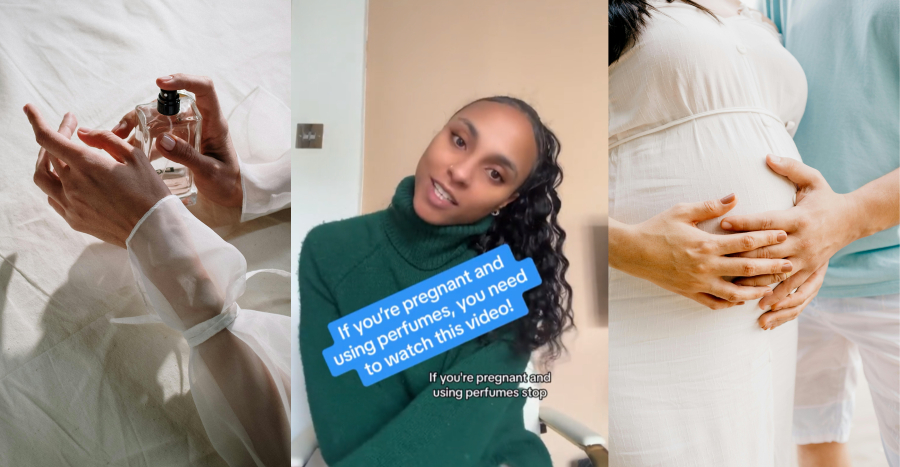

Fragrances are an integral part of our daily lives, from the perfume we wear to the scented products we use in our homes.
However, beneath their captivating aromas, certain chemicals like phthalates – often used to make scents last longer – may pose significant health risks.
Content creator and co-founder of PregSafe, Tanya, highlighted these concerns in a TikTok video, warning that perfumes “could be causing developmental delays, PCOS, and other infertility problems” in the future.
To delve deeper into this, we spoke with Dr Anupriya Agarwal, Obstetrician & Gynaecologist at Mount Elizabeth Hospital, about the connection between fragrance chemicals and reproductive health. Ahead, we also share practical tips to reduce exposure.
Why Are Phthalates Problematic?
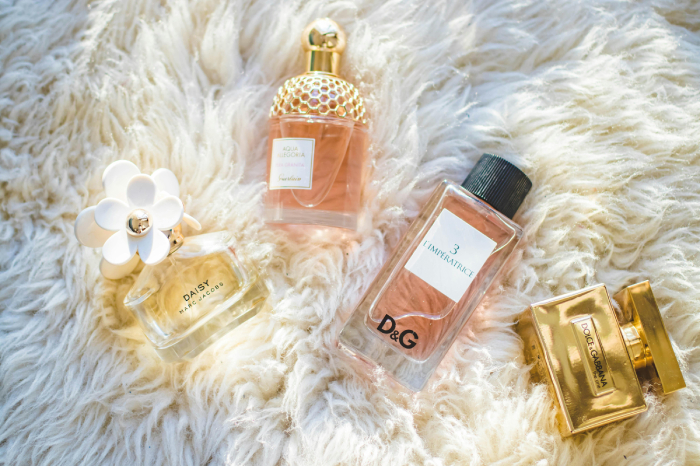
Credit: Valeria Boltneva/Pexels
Phthalates are a group of chemicals widely used in the fragrance industry for their functional benefits. They are primarily used as fixatives, which help fragrances last longer and maintain their stability over time.
While their role in enhancing fragrance performance is undeniable, these chemicals are classified as endocrine disruptors, capable of interfering with the body’s hormonal systems.
“Phthalates can mimic or block the action of natural hormones, particularly sex hormones like estrogen and testosterone. This can lead to disruptions in normal hormonal signalling, impacting reproductive functions,” warns Dr Agarwal.
Studies have linked higher levels of phthalates to fertility issues, including altered menstrual cycles, lower sperm concentration, and complications in fetal development during pregnancy.
Credit: cottonbro studio/Pexels
“Exposure to phthalates during critical periods of development (such as in utero) can have lasting effects on reproductive organs and systems,” says Dr Agarwal. These include developmental disruptions, cognitive and behavioural changes, and endocrine-related health concerns later in life.
In addition to their hormone-disrupting effects, phthalates are pervasive in the environment. They are found in everything from perfumes to household cleaners, which makes it challenging to avoid exposure completely.
However, understanding their role in fragrances can empower you to make safer choices.
Other Chemicals in Fragrances to Watch
Phthalates are just the tip of the iceberg. “Besides phthalates, there are several other chemicals commonly found in fragrances that may pose risks to hormone balance or reproductive health,” notes Dr Agarwal.
Notable culprits include:
- Parabens: Mimic estrogen and have been linked to hormonal disruptions.
- Phenoxyethanol: A common preservative that may affect hormonal balance.
- Limonene and linalool: Found in many citrus and floral fragrances, they may contribute to endocrine disruption.
What Research Says About Fragrance and Fertility
Credit: Leah Newhouse/Pexels
Emerging research highlights the potential impact of fragrance chemicals on both men and women.
Dr Agarwal notes that “higher levels of phthalates in the body have been associated with decreased fertility rates, lower sperm concentration, and altered reproductive hormone levels.”
While the precise thresholds for harm are still under investigation, it’s clear that reducing exposure may be beneficial, especially for sensitive groups like pregnant women and those trying to conceive.
Switching to Phthalate-Free Fragrance Alternatives
Switching to safer, phthalate-free alternatives can reduce health risks without compromising your love for scents.
Dr Agarwal highlights the importance of reading labels and opting for products marketed as “phthalate-free” or “natural.” However, it’s equally important to verify certifications and avoid greenwashing – a marketing practice that exaggerates eco-friendly claims.
What to look for:
- Clear ingredient lists: Brands that disclose their full fragrance composition are often more trustworthy.
- Natural scents: Essential oils can provide a safer, plant-based alternative to synthetic fragrances.
- Sustainable practices: Support companies that prioritise ethical sourcing and environmentally friendly formulations.
Phthalate-Free Fragrance Brands to Explore
Finding phthalate-free fragrance options is easier than you think, with several brands leading the charge for clean, safe, and luxurious scents.
Abel
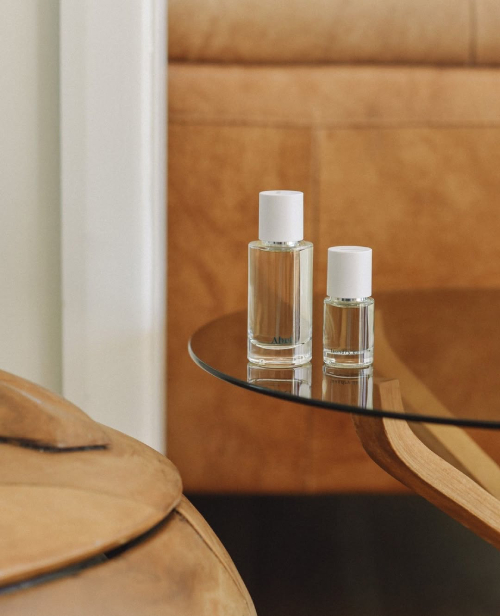
Abel is a standout in the natural fragrance space. This Dutch brand offers perfumes crafted entirely from naturally derived ingredients, combining safety with sophistication. Abel’s dedication to vegan, cruelty-free practices ensures their perfumes are as ethical as they are delightful.
Cobalt Amber, a sultry amber scent with pink pepper and cardamom, and Black Anise, a dynamic blend of star anise, black currant, and tobacco, are among their most alluring creations.
Shop Abel here.
Henry Rose
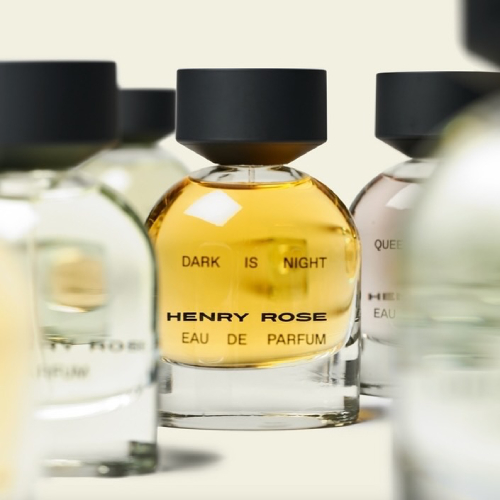
Another name making waves is Henry Rose, founded by actress Michelle Pfeiffer.
With a strong focus on transparency and sustainability, Henry Rose perfumes are certified by the Environmental Working Group and free of phthalates, parabens, and formaldehyde.
Their growing range now includes body sprays, creams, and candles, making them a versatile option for clean fragrance enthusiasts.
Shop Henry Rose here.
Maison Louis Marie
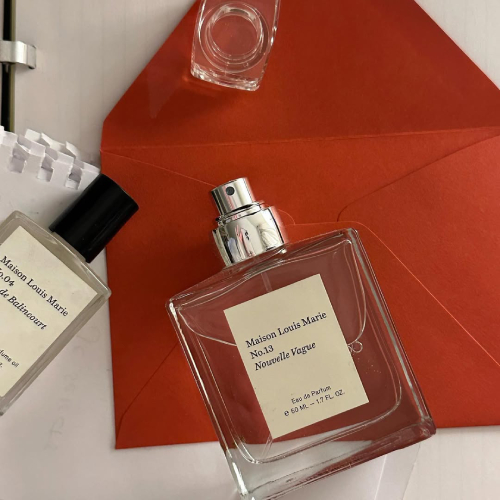
For those drawn to history and botany, Maison Louis Marie offers a touch of romance.
This brand traces its roots to 1792 and boasts fragrances that balance heritage with modern, clean beauty standards. Their No.04 Bois de Balincourt – a sandalwood-centric scent reminiscent of Le Labo’s Santal 33 – is a must-try for fans of earthy, spicy perfumes.
Shop Maison Louis Marie here.
Ellis Brooklyn
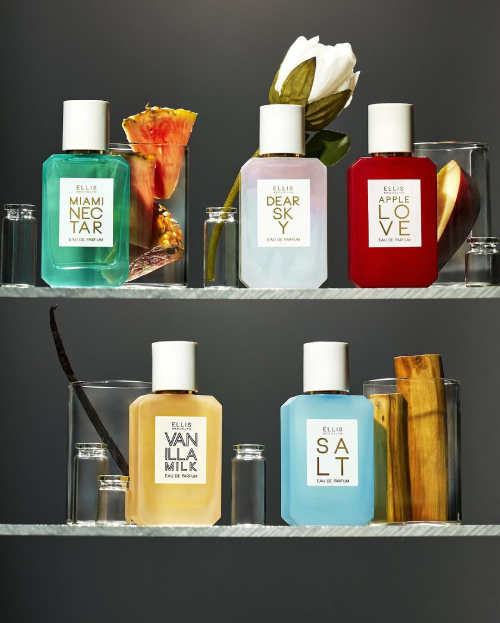
Ellis Brooklyn, founded by former beauty editor Bee Shapiro, was born from the desire to bring sustainability to the fragrance world. Known for tantalising scents that marry clean ingredients with luxury, Ellis Brooklyn is a go-to for those looking for stylish, safe options.
Shop Ellis Brooklyn here.
Kai
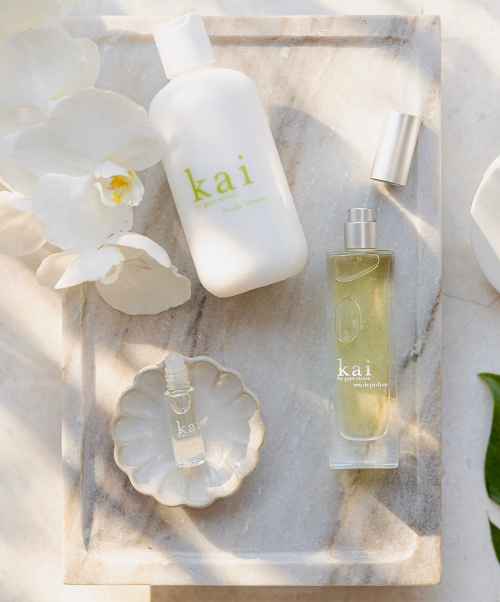
Kai captures the charm of white flowers with fragrances beloved by celebrities like Jennifer Aniston and Charlize Theron.
Their Rose Eau de Parfum offers a fresh take on classic rose scents, crafted without phthalates, sulfates, or microbeads, and housed in recyclable packaging.
Shop Kai here.
Practical Tips to Reduce Exposure to Phthalates
While eliminating all exposure to potentially harmful fragrance chemicals may not be realistic, there are practical steps you can take to minimise risk, according to Dr Agarwal:
- Choose fragrance-free products: Opt for personal care and household items labelled as “fragrance-free” or “unscented.”
- Spray fragrances on clothing, not skin: Apply perfumes to clothing instead of directly on the skin to reduce absorption.
- Ventilate: Use scented products in well-ventilated spaces to minimise inhalation of chemicals.
- Dilute products: Mix perfumes with unscented carriers like oils or lotions.
- Rotate usage: Avoid daily exposure to the same fragrances by rotating products.
- Patch test: Test new products for skin reactions or sensitivities.
- Educate yourself: Stay informed about harmful chemicals and seek safer alternatives.
- Store properly: Keep scented products in cool, dry places to prevent degradation.
Featured image credits: Jonathan Borba/Pexels, @pregsafe/TikTok, cottonbro studio/Pexels

