

We’re long past the days of K-beauty being just a niche obsession. Korean skincare is now a global phenomenon, and it’s not simply riding on pretty packaging or “glass skin” aesthetics anymore.
According to Lucie Shin, Chief Industry Analyst at Trendier.AI, the next wave of K-beauty is blending clinical credibility with multisensory self-care, and taking cues from environmental shifts, social media behaviours, and even climate change.
So what’s driving the next phase of Korean skincare? Here are the four key trends Shin says will define K-beauty in 2026, plus the products already leading the charge.
Korean Skincare Trends 2026: Clinical Beauty Integration
If 2025 was about hero ingredients, 2026 is about how they’re delivered. One of the biggest shifts we’re seeing is the mainstreaming of clinical-level actives, such as PDRN, exosomes, and dexpanthenol, into everyday skincare.
According to Shin, we’re witnessing a safe and effective transition of high-concentration actives from dermatology clinics to our bathroom counters.
“This trend represents the safe transition of high-concentration active ingredients from dermatological clinics to consumer products, enabling professional-level care at home,” she explains. “While previous years focused on the ‘existence of ingredients,’ 2026 will be about ‘efficient delivery of ingredients.’”
Credit: Depositphotos
Consumers are no longer just scanning ingredient lists – they’re comparing formulations and delivery methods, especially on social media.
“We’re seeing consumers on social media actively researching which formulations of the same ingredient might be more effective,” says Shin, adding that Korean pharmacy products are becoming must-buys for international tourists.
It’s not just hype either. K-beauty’s clinical credibility is backed by the numbers: 56% of Olive Young products have completed clinical trials and 35% have passed dermatological tests – significantly higher than Sephora (21%) and Ulta (1%).
This trend also reflects a growing cultural shift toward “professional home care,” especially for time-starved consumers who still want expert-level results.
Shin shares an anecdote from the recent K-Beauty Expo 2025:
I met international visitors asking where to buy a specific PDRN cream sold in pharmacies only. It was fascinating to see how as interest in K-beauty grows, consumer needs become increasingly sophisticated.”
Try these products:
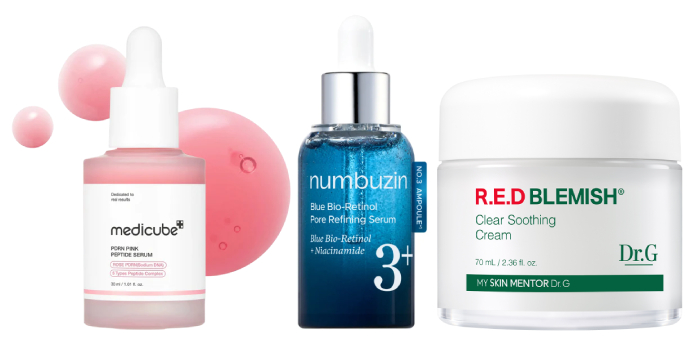
- Medicube PDRN Pink Peptide Serum (S$26.90): A lightweight, glow-boosting serum that visibly improves skin tone and elasticity in just two weeks.
- Numbuzin Blue Bio-Retinol Pore Refining Serum (S$21.80): A beginner-friendly bio-retinol formula with 10% niacinamide to smooth texture and refine pores without irritation.
- Dr.G Red Blemish Clear Soothing Cream (S$52.40): A deeply soothing, centella-powered cream with dexpanthenol to calm sensitivity and lock in hydration.
Korean Skincare Trends 2026: Multi-Sensory Formulations
Credit: Medicube
Skincare in 2026 is all about the experience. K-beauty is leaning into textures, scents, and finishes that make your routine feel like playtime.
“Skincare transcends simple ‘care’ to become a ‘wellness and fun experience,’” says Shin. “It creates moments for complete self-focus in busy daily life, while also featuring ‘Instagrammable’ elements that younger generations want to share on social media.”
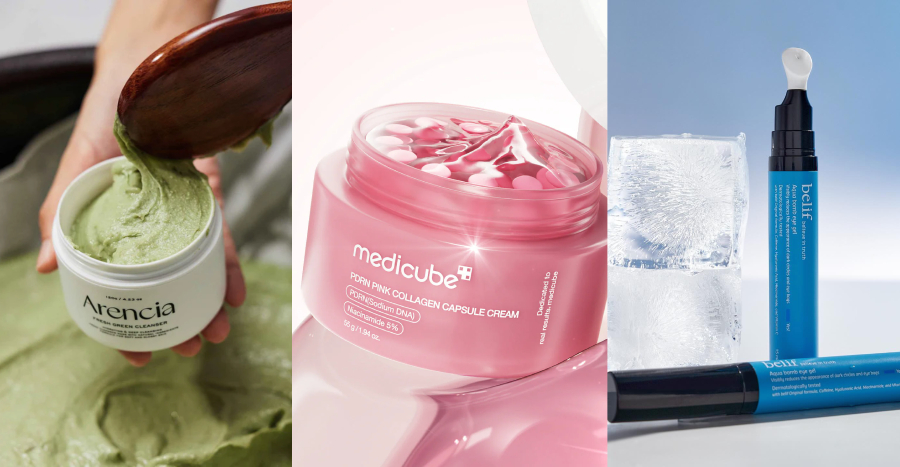
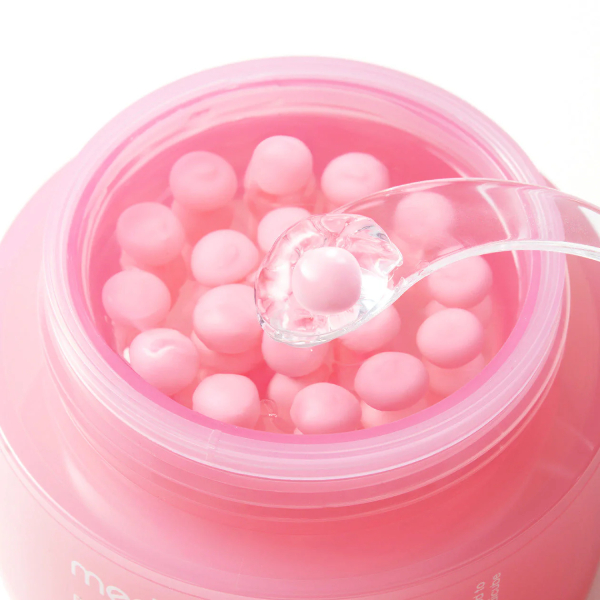
These products look, feel, and smell delightful, encouraging users to share their routines as aesthetic content. Think jiggly capsule creams, slime cleansers, and dessert-inspired textures that invite curiosity and joy.
“Beyond the functional after-feel, consumers enjoy sharing playful, sensorial moments – from visually striking textures to satisfying application experiences,” Shin explains.
Try these products:
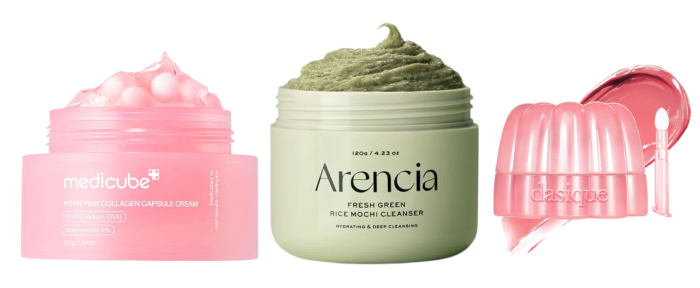
- Medicube PDRN Pink Collagen Capsule Cream (S$35): Pop-and-melt collagen capsules burst on the skin to deliver hydration, glow, and elasticity in one step.
- Arencia Fresh Green Rice Mochi Cleanser (S$28): A slime-textured cleanser that brightens, exfoliates, and deeply purifies without disrupting the moisture barrier.
- Dasique Chewing Glow Pot (S$29.90): A food-inspired balm that leaves lips and cheeks dewy, cushiony, and delicious-looking.
Korean Skincare Trends 2026: Temperature Therapy Skincare
Credit: Belif
As global temperatures continue to rise, K-beauty is keeping its cool… literally.
Korean brands are embracing temperature-reactive skincare that cools the skin and addresses the physiological impact of heat on sensitivity, inflammation, and redness.
“This is among the emerging cases where environmental factors from climate change are beginning to directly influence beauty trends,” Shin explains. “As consumer skin concerns increasingly mention redness and heat sensitivity, solutions addressing these issues have become necessary.”
Cryo-rollers, chilled essences, and ceramic tips are now must-haves for calming flare-ups and reducing puffiness.
Try these products:
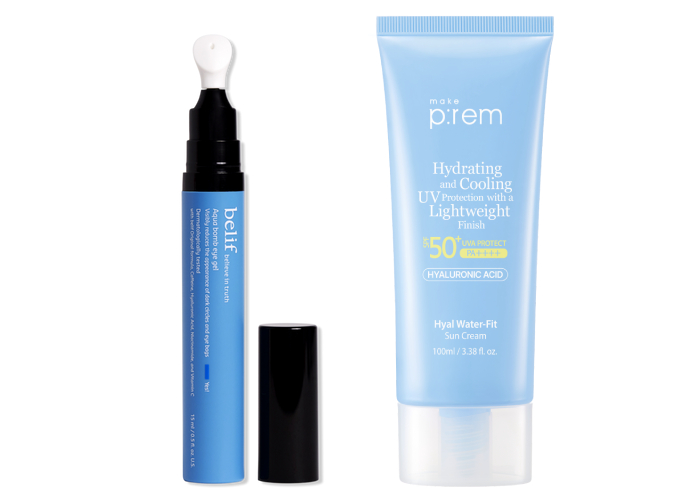
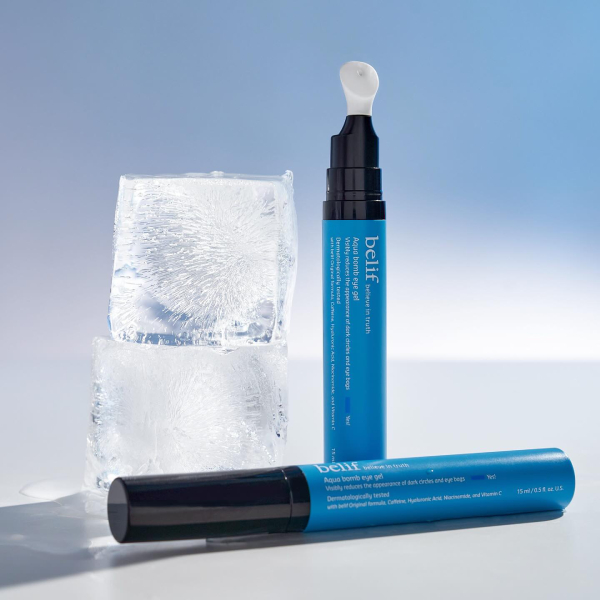
- Belif Aqua Bomb Eye Gel Cooling Ceramic Tip (S$36.72): A refreshing eye gel with a built-in ceramic tip to cool, de-puff, and hydrate tired under-eyes.
- make p:rem Hyal Water-Fit Sun Cream SPF 50+ PA++++ (S$30.62): A cooling, ultra-hydrating sunscreen that soothes heat-stressed skin on contact.
Korean Skincare Trends 2026: At-Home Professional Tools
Credit: Medicube
Thanks to device miniaturisation and influencer demos, beauty tech is no longer confined to the clinic. Tools such as LED masks, microcurrent wands, and ultrasound boosters are now becoming daily skincare staples.
“While previous devices were tools for ‘special occasions,’ in 2026 they’re moving toward becoming more integrated into daily routines,” Shin notes. “They’ll evolve to fit more naturally into people’s skincare habits.”
Credit: Getty Images
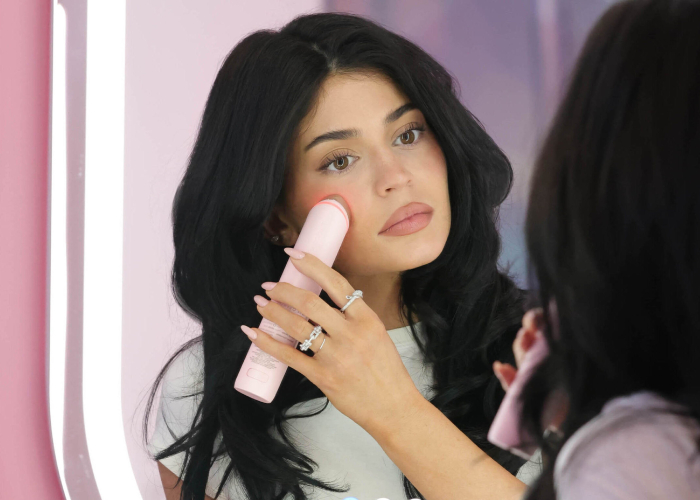
We’re also seeing a surge in celeb endorsements. “Just as Kylie Jenner actively used Medicube products (showed on social media) and even showed up at pop-up events, global celebrities’ enthusiastic adoption is also accelerating the spread of this trend,” Shin adds.
Rather than replacing products, these tools are designed to work alongside them, enhancing absorption and boosting visible results.
Try this product:
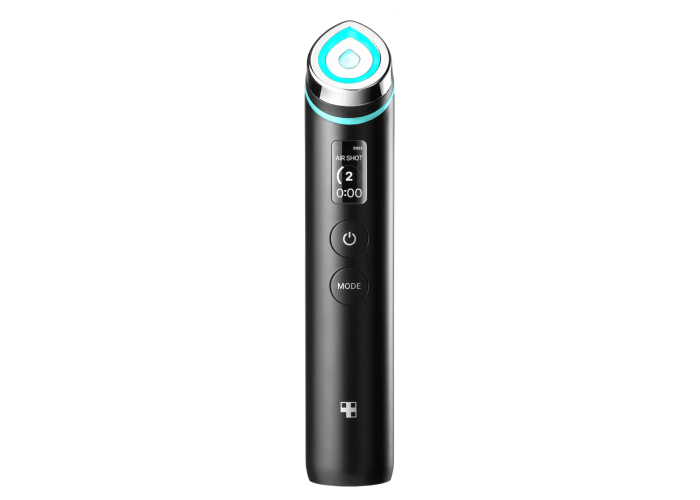
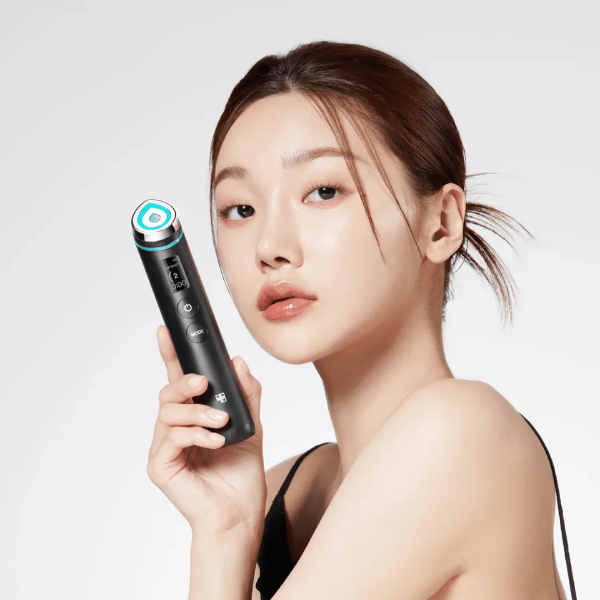
Medicube Age-R Booster Pro (S$450): A 6-in-1 skincare device with LED, EMS, and microcurrent tech for pro-level lifting, contouring, and absorption at home.
K-Beauty as a Lifestyle Movement
The skincare itself is only half the story. What’s truly driving K-beauty’s dominance is how deeply embedded it is in culture, tourism, and education.
“K-reality shows, K-dramas, K-pop, and even diverse K-culture content like K-Pop Demon Hunters are gaining global attention, driving increased interest in Korean beauty,” Shin says.
Micro-influencers from all over the world are producing viral content around Korean skincare routines, often providing practical tips and trusted reviews that feel more authentic than celebrity endorsements. Of course, brands are taking notice and leveraging this grassroots energy.
Credit: Olive Young
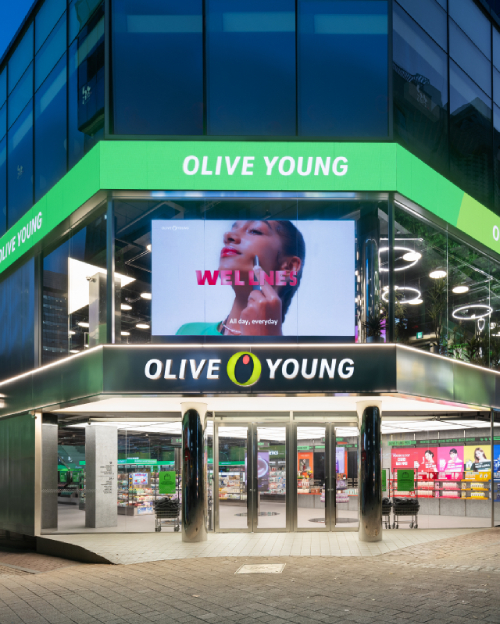
At the same time, “beauty tourism” is booming. Olive Young stores in hot districts like Myeongdong, Hongdae, Seongsu, and Gangnam are practically pilgrimage sites. Shoppers plan entire travel itineraries around them.
“The surge in foreign tourists I witness daily on the streets of Hongdae, where I work in Seoul, along with the explosive popularity of Olive Young stores, proves this phenomenon,” Shin notices.
Social media has only intensified this. “Real-time information sharing through social media has increased FOMO (Fear of Missing Out) regarding ‘products only available in Korea,’” she shares. “This further prioritises beauty shopping during Korean trips.”
What’s more, educational content, such as ingredient breakdowns, routine explainers, and TikToks on proper application, is raising the global skincare IQ. International consumers are now engaged, informed, and leading the conversation.
In 2026, skincare will reflect knowledge as much as ritual, and that newfound literacy may be K-beauty’s most powerful export yet.
Related read: 8 Emerging Korean Skincare Ingredients You’ll Start Seeing Everywhere, According to an Expert

