
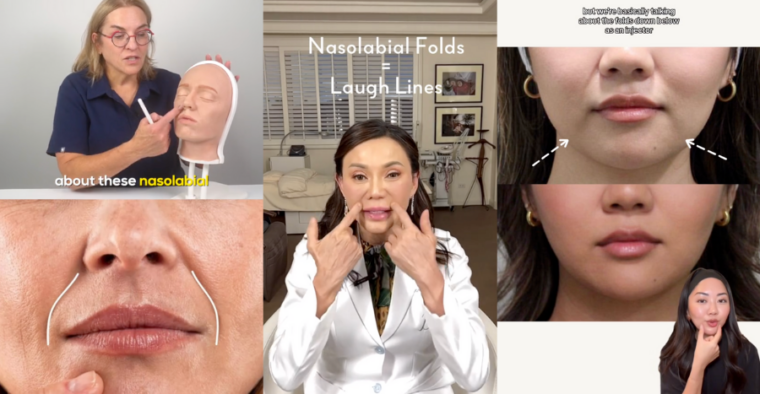

As we smile, laugh, and navigate life’s expressions, lines naturally etch themselves onto our faces.
Among these, nasolabial folds those creases running from the nose down to the corners of the mouth are a particularly common concern. These folds, while a natural part of ageing, can sometimes become deeper and more noticeable, casting a shadow that makes us appear older or more tired than we feel.
But fear not! Understanding these folds and exploring both preventative measures and solutions can empower you to rewrite the narrative, one fold at a time!
To create a fully comprehensive nasolabial folds guide, we spoke to Dr Ivan Puah, gathering his thoughts and expert advice.
Meet the expert:
- Dr Ivan Puah, an aesthetic doctor and medical director at Amaris B. Clinic, is dedicated to advancing his knowledge and skills to deliver exceptional patient care. Throughout his career, he has received international training in liposuction and gynecomastia, published research papers, and developed several body sculpting surgical techniques.
- What are Nasolabial Folds?
- Causes of Nasolabial Folds
- How to Prevent or Minimise Nasolabial Folds?
- Medical Aesthetic Treatments for Nasolabial Folds
- Can Botulinum Toxins Fix Nasolabial Folds?
- Are There Any Risks or Side Effects in Smoothing Out Nasolabial Folds?
- Soften Your Nasolabial Folds at Amaris B. With Dr Ivan Puah
What are Nasolabial Folds?
Credit: Depositphotos
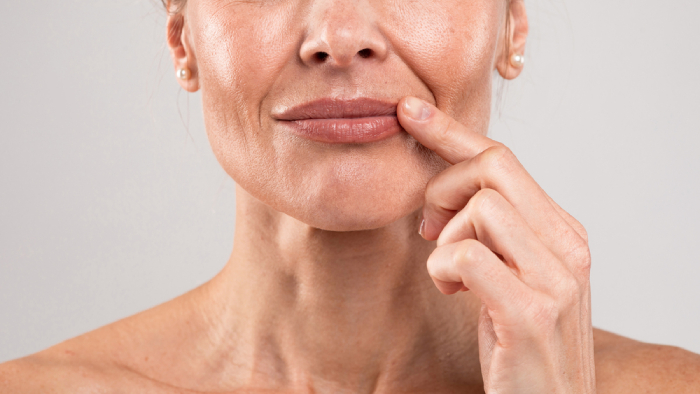
Also known as “smile lines,” “laugh lines,” or “parentheses lines,” Dr Puah describes nasolabial folds as “the line or crease that runs from the sides of your nose to the corners of your mouth.”
Formed by the underlying muscles used for smiling and frowning, these folds are a natural part of facial anatomy. Everyone has nasolabial folds to some degree, and their depth varies from person to person.
“It’s a natural part of your face and is more noticeable when you smile or laugh. As you get older, this fold can become deeper and more pronounced due to the natural loss of skin elasticity and volume,” said Dr Puah.
Causes of Nasolabial Folds
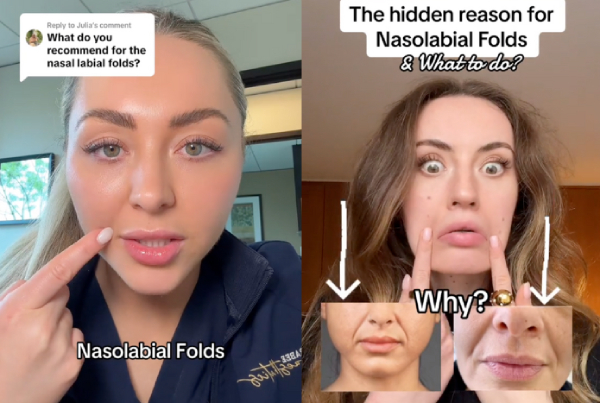
Credits: @injectorlahna/TikTok, @allyoucanface/TikTok
Dr Puah listed smoking, sun damage, significant weight loss, and degenerative ageing changes as factors that may affect skin elasticity and volume.
- Age and collagen loss: Collagen is a protein that acts like scaffolding, providing structure and plumpness to the skin. As we age, our collagen production decreases, which means our skin becomes more susceptible to sagging and folding.
- Sun damage: Ultraviolet (UV) rays from the sun are a significant contributor to premature skin ageing. Sun exposure breaks down collagen and elastin (another protein that helps skin maintain its shape), accelerating the formation of wrinkles and folds, including nasolabial folds.
- Smoking and lifestyle habits: Smoking significantly harms skin health. It restricts blood flow, depriving the skin of essential nutrients and oxygen, leading to premature ageing and deeper wrinkles. Additionally, dehydration, unhealthy diets, and lack of sleep can also contribute to the appearance of nasolabial folds.
- Expressive movements: Repeated facial expressions, like smiling, laughing, and frowning, can, over time, contribute to deeper nasolabial folds. The constant movement of the underlying muscles can cause the skin to crease repeatedly, eventually leaving a permanent mark.
Additionally, our genes can also play a role. Some people naturally have deeper folds due to facial bone structure, muscle positioning, and skin type.
How to Prevent or Minimise Nasolabial Folds?

Credit: Depositphotos
So how can we fight the fold? While we can’t completely stop time, there are effective ways to prevent nasolabial folds from becoming deeper and minimise their appearance.
Tips from Dr Ivan Puah
- Healthy living with proper nutrition: A healthy lifestyle goes a long way in promoting overall skin health, including minimising nasolabial folds. Stay hydrated by drinking plenty of water, eat a balanced diet rich in fruits and vegetables, prioritise quality sleep, and manage stress levels.
- Protection from excessive sun exposure: Daily sunscreen use with SPF 30 or higher is your best defence against sun damage. Apply sunscreen religiously, reapply every two hours, and don’t forget about seeking shade during peak sun hours.
- Power up your skincare routines: Develop a consistent skincare routine that includes a hydrating moisturiser to keep your skin supple and help prevent the deepening of nasolabial folds. At the same time, consider incorporating antioxidants to promote collagen production.
Medical Aesthetic Treatments for Nasolabial Folds
@yournursetrainer I get a lot of questions about the best way to minimize the appearance of nasolabial folds. The old school way was to inject filler straight into them, but in this video I show you what we do now as healthcare professionals to reduce their appearance. Share this video with someone who needs it! #nasolabialfolds #aging #theagingface #treatment #wrinkles #botox #neuromodulators #neurotoxins #smoothskin #beautyindustry #beautyproducts #skinroutine #acne #acnebreakout #acnetreatment #explained #injectables #health #beauty #skincare #nursetrainer
For a foolproof method of addressing the appearance of nasolabial folds entirely, consider looking at medical aesthetic treatments.
Before you proceed, please consult an experienced aesthetic doctor to discuss options and create a personalised plan!
Dermal Fillers
Credit: Depositphotos
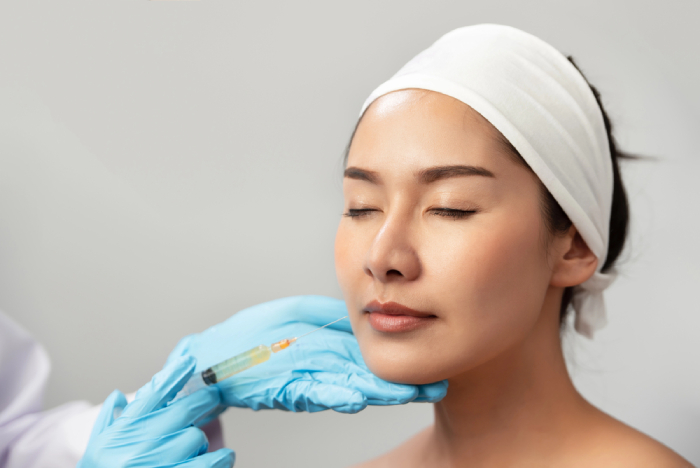
According to Dr Puah, dermal fillers are commonly used to improve nasolabial folds and remain the go-to treatment for addressing them.
See it as “filling in the gaps” and plumping up specific areas of the face with hyaluronic acid-based injectables (most commonly). When strategically injected into the nasolabial folds, fillers add volume and lift, smoothing out the creases and creating a younger look.
“Depending on the patient’s condition and their expectations, different types and amounts of fillers can be used to correct the folds and improve the appearance. By using fillers with different physical properties and varying amounts, not only are doctors able to improve the folds but also to lift and contour the surrounding facial tissues,” Dr Puah shared.
The results are typically temporary, lasting from 6 to 18 months depending on the type of filler used.
Tissue Tightening Treatments
Dr Puah mentioned that “nasolabial folds can also be improved with tissue tightening treatment such as Ultherapy or Radiofrequency”.
These treatments focus on improving the overall skin tone and elasticity and can be particularly effective in preventing and reducing the appearance of nasolabial folds by stimulating collagen production and tightening the underlying tissues.
- Ultherapy: This non-invasive procedure uses focused ultrasound energy to penetrate the deeper layers of the skin. The heat energy stimulates collagen production and tightening, leading to a lifting and firming effect.
- Radiofrequency (RF) treatments: These treatments use heat energy to stimulate collagen production and tighten the skin. They can even be combined with other treatments like dermal fillers for a more comprehensive approach to facial rejuvenation.
Can Botulinum Toxins Fix Nasolabial Folds?
Credit: Depositphotos
You may have seen or heard about botulinum toxins for lines and wrinkles, but it may not be the best choice if you’re seeking to get rid of nasolabial folds.
“Botulinum toxins are mainly used to treat dynamic wrinkles and not for nasolabial folds,” said Dr Puah.
Are There Any Risks or Side Effects in Smoothing Out Nasolabial Folds?
Credit: Depositphotos
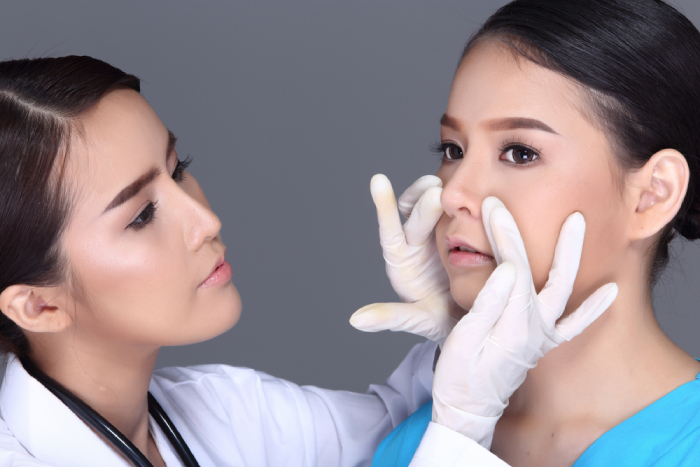
While treatments to smooth out nasolabial folds are generally safe and effective, there are potential risks and side effects associated with them. The specific risks depend on the type of treatment you choose.
“The main risk is over-treating’ or over-filling’ the nasolabial folds. This may lead to patients having a round’ or unnatural look. Other risks related to dermal fillers are bruising, post-treatment swelling, and so on,” shared Dr Puah.
Soften Your Nasolabial Folds at Amaris B. With Dr Ivan Puah
Amaris B. Clinic understands that the decision to enhance your appearance is a significant one, and they’re committed to making your journey as smooth and rewarding as possible!
With 20 years of facial and body sculpting experience under his belt, you can most certainly count on getting the results you desire with Dr Ivan Puah.
His expertise includes addressing skin laxity, wrinkles, fine lines, hyperpigmentation, acne scarring, and more. Dr Puah is also recognised for his knowledge and skill, serving as a doctor trainer in cosmetic injectables for Merz Singapore.
You can treat your nasolabial folds at Amaris B. with dermal fillers, Ultherapy, and regenerative aesthetics treatments.
Schedule a consultation with Dr Ivan Puah today.
Amaris B. Clinic is located at 140 Arab Street, Singapore 199827. Call +65 6536 4211 to schedule a consultation.
Featured image credits: @yournursetrainer/TikTok, @vicki_belo/TikTok, @preciouskay.np/TikTok

