


As 2025 approaches, we’re curious about the skincare trends set to take centre stage. From science-backed formulas to sustainability-focused products, the beauty world continues to evolve.
To uncover the Western skincare trends worth watching – and which might fade – we spoke with four skincare experts for their insights into what will define the year ahead.
- Meet Our Experts
- Skincare Trends 2025: Skinimalism
- Skincare Trends 2025: AI-Personalised Skincare
- Skincare Trends 2025: Biotech-Driven Skincare
- Skincare Trends 2025: Microbiome-Focused Skincare
- Skincare Trends 2025: Clean Beauty
- Skincare Trends 2025: Anti-Ageing Skincare
- Skincare Trends 2025: Emphasis on Skin Barrier Health and Prevention
- Skincare Trends 2025: Tech-Integrated Skincare Devices and Products
- Skincare Ingredients to Look Out for in 2025: What You Need to Know
- Emerging Technologies to Look Out for in 2025
- Will Western Skincare Trends Remain Popular in Asia?
Meet Our Experts
- Pauline Ng, Founder and Managing Director of Porcelain
- Francesca Damato, Vice President of Global Marketing at Origins
- Dr Richard Betts, Head of Scientific & Communication of L’Oréal Paris SAPMENA
- Dr Stephanie Ho, a British-trained Consultant Dermatologist from Stephanie Ho Dermatology
Skincare Trends 2025: Skinimalism
@adityamadiraju Skin Minimalism Mantra for 2024! Less is more. We want more from the products. Let’s get smart about Skincare! 👍🏽 @sephora #sephorasquad #skinminimalism #skincare #easyskincarerouitne #skincareroutine #minimalistskincare #skinjourney
Skinimalism, a trend that has been growing for years, focuses on simplifying skincare routines by embracing a “less is more” approach and prioritising essential products.
Pauline Ng says, “The ‘less is more’ philosophy behind skinimalism is a refreshing shift towards simplicity in skincare, focusing on the essentials and avoiding unnecessary product clutter. Skinimalism focuses on skin health, targeting to treat skin issues at the root of the problem.”
Source: Depositphotos
Meanwhile, Francesca Damato explained that skinimalism is evolving into a trend where products are designed to simplify routines while delivering multiple benefits in one step.
The trend “streamlines multi-functional products that combine several steps into one, such as moisturisers with SPF, toners with antioxidants, or serums that offer hydration, brightening, and anti-ageing benefits, are gaining popularity.
According to Francesca, two products from Origins that are a great addition to a skinimalism routine include:
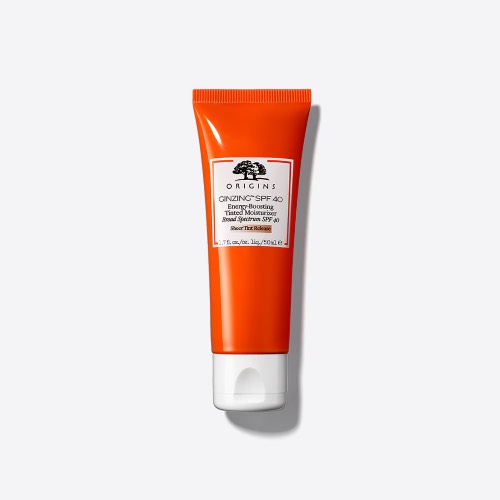
Origins GinZing SPF40 moisturiser provides 4-in-1 benefits with Vital Synthesis Technology™ to boost skin’s energy for all-day radiance.
It also features Hyaluronic Acid to reinforce the skin’s moisture barrier, Fermented Ginseng to defend against skin-damaging free radicals, and an SPF system that protects from UV rays, which can lead to visible signs of ageing.
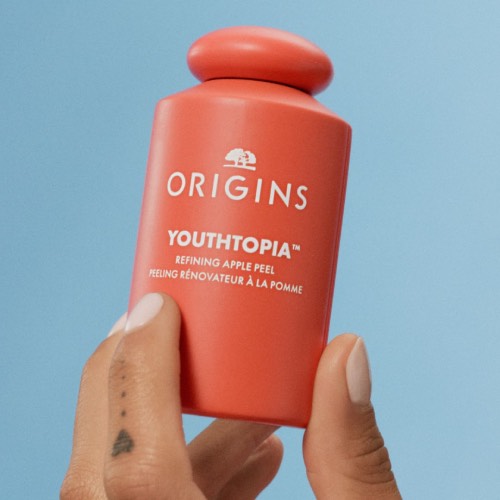
The new Origins Youthtopia Refining Apple Peel offers 2-in-1 benefits, providing antioxidant protection with apple peel ferment and apple stem cell extract for a youthful look. It also smooths the skin and reduces the appearance of pores with apple cider vinegar and glycolic acid complex.
On the other hand, Dr Richard Betts shared, “Consumers are prioritising value and ‘getting their money’s worth’ with products that combine multiple effective ingredients in a single jar.”
Skincare Trends 2025: AI-Personalised Skincare

Source: Depositphotos
AI is an increasingly integral part of the skincare industry, revolutionising how products and routines are tailored to individual needs.
“AI-powered skincare personalised diagnosis and customised recommendations for each individual using AI and machine learning,” Dr Stephanie Ho shares.
As technology continues to advance, Pauline added that “as AI takes centre stage in the 21st century, we anticipate the continued rise of personalised skincare driven by technology.
The introduction of technology allows brands to offer bespoke treatments that can provide lasting and tailored results, ultimately reflecting a broader movement towards recognising that no two individuals’ skin are the same.”
Source: Depositphotos
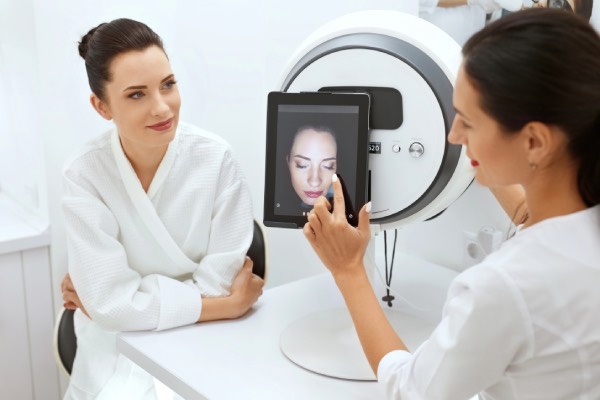
She also highlighted how Porcelain’s AI Skin Discovery Diagnosis machine exemplifies this trend, providing personalised routines that evolve with the skin’s changing needs, ensuring long-term effectiveness.
Francesca also spoke on the rise of AI-driven skincare, saying, “With advancements in AI and machine learning, skincare brands are offering hyper-personalised product recommendations based on consumers’ skin types, environments, and habits.”
Origins has been investing in new AI-powered skin diagnostics tools at its flagship stores in mainland China, which capture high-quality images of skin, providing a multi-dimensional assessment to help analyse skin conditions and create tailored skincare regimens, enhancing user satisfaction and results.
Skincare Trends 2025: Biotech-Driven Skincare
Biotech-driven skincare is poised to make a significant impact in 2025, as the beauty industry increasingly embraces bioengineered ingredients.
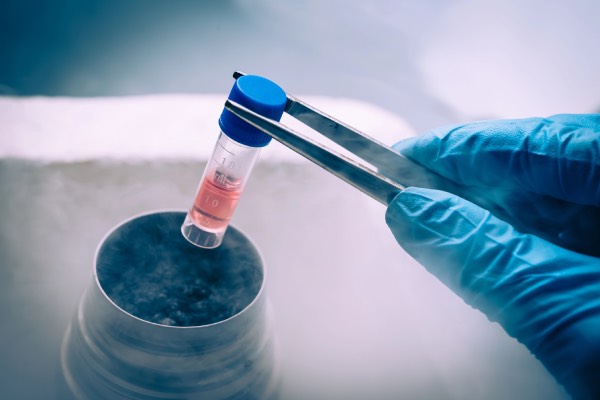
With biotechnology paving the way for these innovations, “bioengineered actives, such as stem cells and exosomes, will be increasingly used to enhance skin rejuvenation and healing, offering cutting-edge solutions for complex skin concerns,” Dr Ho explains.
These advanced ingredients are being developed to deliver more targeted and effective skincare solutions. Stem cells, for example, can regenerate and repair damaged skin, while exosomes help to communicate between cells, promoting healing and reducing inflammation.
Source: Depositphotos
As technology continues to evolve, we can expect these bioengineered actives to become more refined and sustainable, addressing a wide range of skin concerns with greater precision.
Francesca highlighted the growing demand for sustainable skincare, explaining that today’s consumers are increasingly drawn to products that not only deliver visible results but are also produced with eco-conscious methods.
One rising innovation is biotech skincare, which leverages lab-grown ingredients like bio-fermented actives or vegan collagen to minimise environmental impact.
“Fusing over 30 years of expertise in plant science and skin physiology, our scientists at the Origins Biotech Labs strive to identify the high-performing, bioactive elements of ingredients derived from nature,” Francesca added.
These discoveries are then transformed into innovative skincare solutions designed to enhance the skin’s natural functions and visibly improve its appearance and texture.
Skincare Trends 2025: Microbiome-Focused Skincare
Microbiome-focused skincare is all about understanding and nurturing the delicate balance of bacteria on your skin to promote overall skin health.
The skin’s microbiome consists of millions of microorganisms, including bacteria, fungi, and viruses, that play a key role in protecting the skin and maintaining its natural barrier.
@skinmade.my Restoring your skin’s microbiome is crucial to improving your skin health to help avoid unwanted skin issues such as uneven skin texture, dry & dehydrated skin, as well as fine lines. Here’s how you can maintain a healthy and well-balanced skin microbiome. 💛✨ #SKINMADE #fyp #skincaretips #skincare101 #skincareroutine #glassskin #glowingskin #antiagingskincare #antiaging #fermented #hyperpigmentations #essence
As consumers and brands focus on maintaining this balance, skincare products increasingly incorporate prebiotics and probiotics to support a healthy microbiome. These ingredients help to nourish the beneficial bacteria on the skin while keeping harmful ones in check.
“Understanding the skin’s microbiome is crucial for maintaining healthy skin. Brands are incorporating prebiotics and probiotics into their products to support a balanced microbiome,” Pauline highlighted.
Skincare Trends 2025: Clean Beauty
As we increasingly focus on our health and the environment, Pauline mentioned that “consumers are increasingly demanding products made with natural, non-toxic ingredients. Brands have gained popularity by prioritising clean, sustainable formulations.”
Dr Ho also mentioned the growing focus on sustainable skincare, “aiming for eco-friendly, zero waste, and refillable skincare options.”
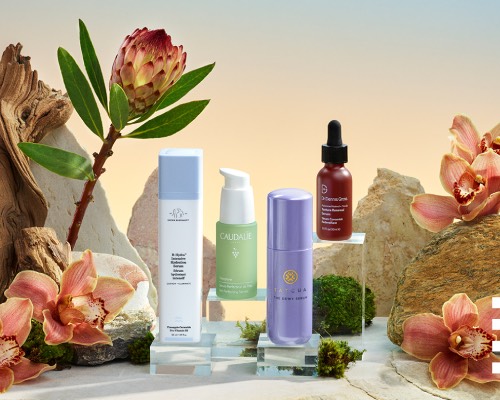
Clean beauty products
Alongside advancements in technology, research has shown that plant-based ingredients can be just as effective as synthetic ones, which further supports the rise of this trend.
For instance, a standout ingredient in this space is plant stem cells, which align perfectly with eco-conscious beauty trends.
“Stem cells can be harvested in controlled environments without depleting natural resources. Their production involves fewer chemicals and pesticides, appealing to clean beauty enthusiasts,” Francesca shared.
“The ability to create these ingredients from renewable sources makes them attractive to brands aiming for greener.”
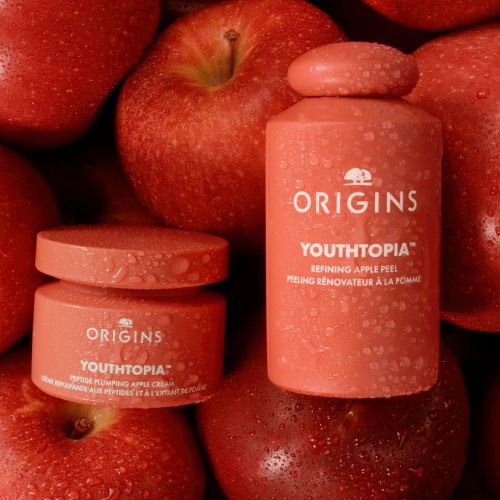
Origins’ new Youthtopia collection also incorporates over 50,000 Apple Stem Cells extract, which helps maintain youthful skin. In an in-vitro test after seven days, the apple stem cells significantly increased cell proliferation. In their Youthtopia Refining Apple Peel, each bottle contains 100,000 apple stem cells.
Skincare Trends 2025: Anti-Ageing Skincare

Source: Depositphotos
Apart from skincare products, anti-ageing supplements are gaining popularity for their benefits in our overall skincare routine.
Dr Ho shared, “Anti-ageing supplements will become increasingly popular as they help slow down cellular damage and prevent age-related diseases, offering a holistic approach to ageing.”

Source: Depositphotos
These oral supplements, such as “hydrolyzed collagen and EGCG derived from green tea”, provide essential nutrients that support skin health from within, promoting collagen production and protecting cells from oxidative stress.
In line with this, the “anti-ageing narrative is evolving into a more inclusive approach,” Francesca reveals.
Brands are shifting toward solutions that “celebrate healthy ageing for all life stages and skin tones. As consumers demand more inclusive solutions, brands are responding with products that cater to different ageing concerns and skin types,” she adds.
Skincare Trends 2025: Emphasis on Skin Barrier Health and Prevention
If your skin barrier is strong enough, no products or treatments can do as much for your skin’s health and appearance.
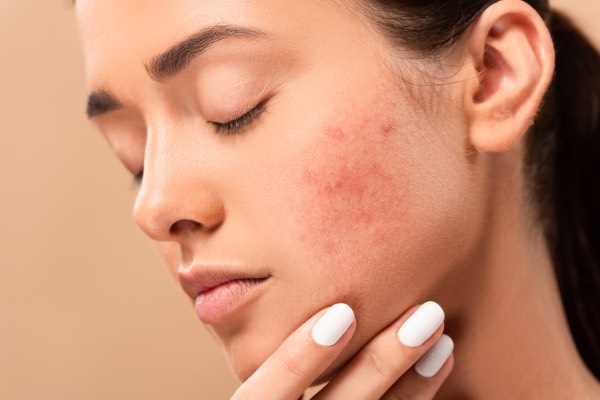
The importance of a good skin barrier cannot be overstated, especially as “Western consumers, particularly Gen Z, are highly focused on skin barrier health and preventive skincare.”
Source: Depositphotos
“They are less concerned with reversing damage and more focused on keeping their skin healthy and strong to prevent issues like sensitivity, acne, or premature ageing. This generation is well-educated about ingredients and gravitates toward gentle, barrier-repairing formulations,” Francesca says.
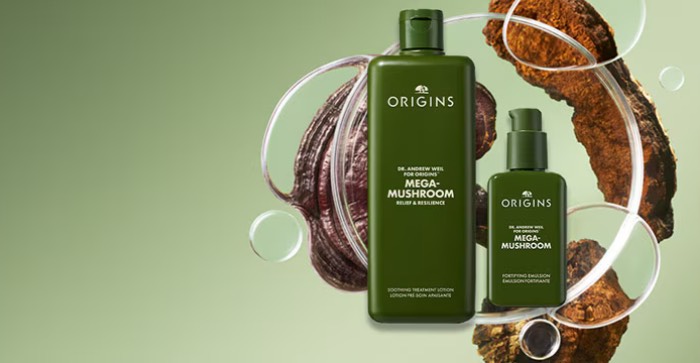
Origins signature franchise Mega-Mushroom, featuring TCM ingredients like reishi, fermented chaga, and licorice root, combined with hyaluronic acid, is crafted for sensitive skin.
This collection helps strengthen the skin barrier, visibly soothes irritation and redness from daily stressors, and promotes healthy, resilient skin.
Skincare Trends 2025: Tech-Integrated Skincare Devices and Products
At-home skincare has become a staple for many, with people increasingly seeking convenient ways to enhance their beauty routines. Another common trend gaining traction is the rise of skincare devices and products designed for home use.
As technology continues to integrate into our skincare routines, these devices are becoming more accessible and effective, providing users with advanced solutions for issues like ageing, pigmentation, and skin texture.
Dr Ho shared, “Tech-integrated skincare devices – home-use skincare devices – will become increasingly more mainstream, including LED light therapy, microneedling, and microcurrent technology.”
According to Dr Betts, “ As more people seek aesthetic treatments but may lack access or feel hesitant about professional procedures. We can foresee the development of effective, user-friendly peeling products that make at-home treatments more accessible.”
@aylennpark #MedicubePartner We love our at-home facials and they just got a huge upgrade with the new Age-R Booster Pro device from @medicube_official! #glowyskin #koreanskincare #ager #boosterpro #6in1 #no1beautydevice #facialtherapy #glowbooster #athomebeautydevice #kbeauty #koreanskincare #kbeautydevice #medicube #medicubeambassador
Home-use peeling devices or products, which often rely on advanced formulations or tools, are increasingly becoming a significant part of the growing trend of integrating professional technology into consumers’ skincare routines.
This trend emphasises making high-tech skincare treatments more accessible for home use, allowing individuals to perform effective treatments without needing to visit a professional clinic.
Skincare Ingredients to Look Out for in 2025: What You Need to Know
Source: Depositphotos
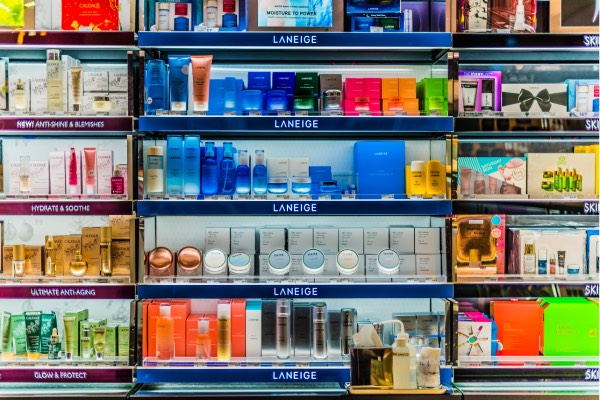
It’s easy to fill your vanity with skincare products, but not knowing the benefits and safety of each ingredient is something we should all try to avoid.
“While it’s difficult to predict the exact skincare trends of 2025, several emerging ingredients are poised to make a significant impact. According to a recent study, consumer demand for natural skincare products increased by 25% in the past year,” Pauline shared.
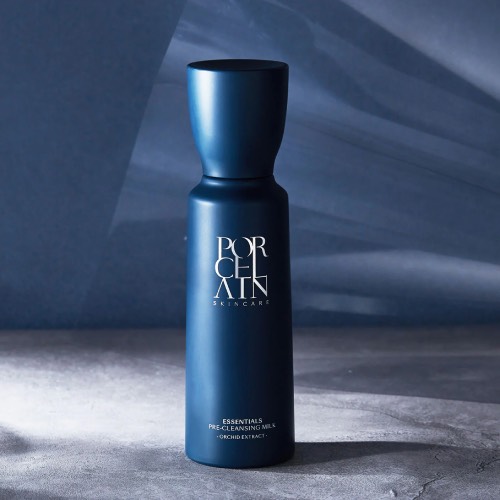
For instance, natural and sustainable ingredients like bakuchiol and centella asiatica can be found in Porcelain’s Pre-Cleansing Milk.
@dr_ingky When Should You Use Skincare Ingredients? Check out this quick guide and comment with the ingredient you’re most unsure about ! #skincareingredients
For more on the key ingredients that experts predict will be in high demand through 2025, read on for insights and recommendations.
- Encapsulated Vitamin A: Offers a gentler, time-released effect, making it perfect for sensitive skin. By slowly releasing the active ingredient, it minimises irritation while still providing anti-aging and skin-renewing benefits.
- Plant Stem Cells: Derived from the undifferentiated cells of plants, known for their regenerative properties. Harvested in controlled environments, they promote skin rejuvenation, reduce signs of ageing, and protect against external stressors with minimal environmental impact.
- Fruit Peels: Often discarded as waste, they are packed with antioxidants, vitamins, and enzymes that help exfoliate, brighten, and rejuvenate the skin. Rich in natural acids and nutrients, they promote cell turnover, improve skin texture, and fight signs of ageing.
- Coffee Grounds: Rich in antioxidants and caffeine, coffee grounds help stimulate circulation, exfoliate, and tighten the skin. They are known to improve skin texture, reduce cellulite, and brighten the complexion. By repurposing waste from coffee production, they also support sustainability in skincare.
- Retinol: Known for its powerful anti-ageing properties, retinol is increasingly popular as it promotes cell turnover and helps diminish fine lines and wrinkles. As consumer awareness grows, it’s becoming a key ingredient in Asia for tackling signs of ageing.
- Bakuchiol: A natural alternative to retinol, known for its anti-ageing and skin-smoothing benefits. It offers similar results to retinol but with less risk of irritation, making it a preferred choice for sensitive skin.
- Centella Asiatica: This plant extract is celebrated for its healing and anti-inflammatory properties, helping to soothe and repair damaged skin. It’s also effective in enhancing hydration and promoting a healthier skin barrier.
Emerging Technologies to Look Out for in 2025
Source: Depositphotos
These emerging technologies are shaping the future of skincare, combining innovation with a holistic approach to overall well-being.
As shared by experts, these advancements highlight the growing importance of emotional health and stress management in achieving healthy, radiant skin.
With these developments, the skincare industry is moving beyond traditional surface-level solutions, offering products that nurture both the skin and the mind for a truly comprehensive beauty experience.
- Soul Care Integration: The convergence of physical health, mental well-being, and skincare, recognising the role of emotional and mental health in skin vitality. This approach will lead to holistic formulations that support both skin health and emotional balance.
- Emotional Technology (Emotech): Innovations exploring how stress and emotions affect skin ageing, with a focus on emotional wellness as a key factor in skincare. Emotech aims to help manage “inflame-ageing” by addressing the emotional triggers that contribute to skin inflammation and ageing.
- Cellular Senescence: Continued advancements in understanding and targeting cellular ageing, with an emphasis on maintaining the vitality of both the mind and body to delay skin ageing.
- Bio DNA Preservation: Technologies aimed at preserving the skin’s DNA integrity, combating stress-related ageing from sleep deprivation, and enhancing the skin’s resilience against environmental factors.
- Botox-Like Facial Relaxation: Innovations that mimic the effects of Botox by relaxing facial muscles, helping to reduce the appearance of fine lines and wrinkles without invasive procedures.
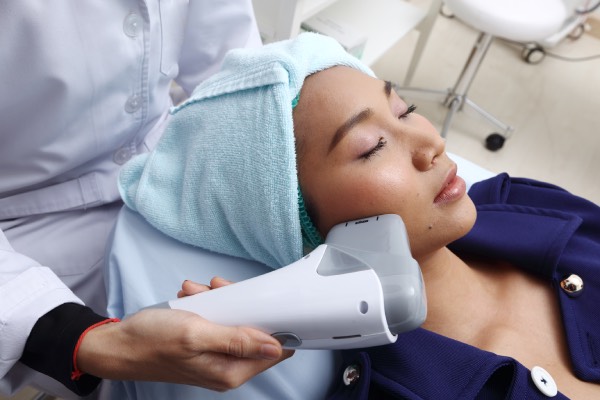
- Advanced Home-Use Devices: More sophisticated at-home skincare devices, such as micro-needling and micro-current tools, will become increasingly popular. These devices “can complement more invasive clinic treatments and function as maintenance treatments at home,” Dr Ho shared.
- AI-Powered Personalised Skincare: AI skin analysis tools provide customised skincare recommendations based on individual skin needs, allowing for highly tailored regimens that improve overall skin health.
- Encapsulation Technology: Advances in encapsulation allow active ingredients, especially natural ones, to remain stable and deliver their benefits more effectively, boosting their potency and longevity.
- Wearable Skin Health Devices: Emerging devices monitor skin conditions and deliver targeted treatments. These wearable technologies offer real-time skin analysis and on-the-go care, enhancing personalisation in skincare.
- Biotechnology-Derived Ingredients: Using microorganisms or engineered cells, these ingredients aim to deliver potent skincare benefits with enhanced safety and stability, opening up new possibilities for efficacy and sustainability.
Will Western Skincare Trends Remain Popular in Asia?
Source: Depositphotos
“Western skincare practices have undoubtedly influenced Asian countries like Singapore and Malaysia, the beauty landscape has become increasingly interconnected and dynamic,” says Pauline.
“The influence is now flowing both ways, with Asian beauty trends, particularly K-beauty and C-beauty, having a profound impact on global skincare standards,” she added.

Source: Depositphotos
Dr Ho echoes Pauline’s perspective, noting the shift towards a more blended approach to skincare.
“Latest trends are inevitable as social media platforms such as Instagram, TikTok and YouTube allow influencers and brands to connect to countries all over the world, increasing exposure and popularity easily,” she explains.
Another good example shared by Francesca is that “Western celebrity-endorsed brands and dermatologist-backed innovations are highly influential and aspirational, leading to significant adoption in Asian regions.”

