
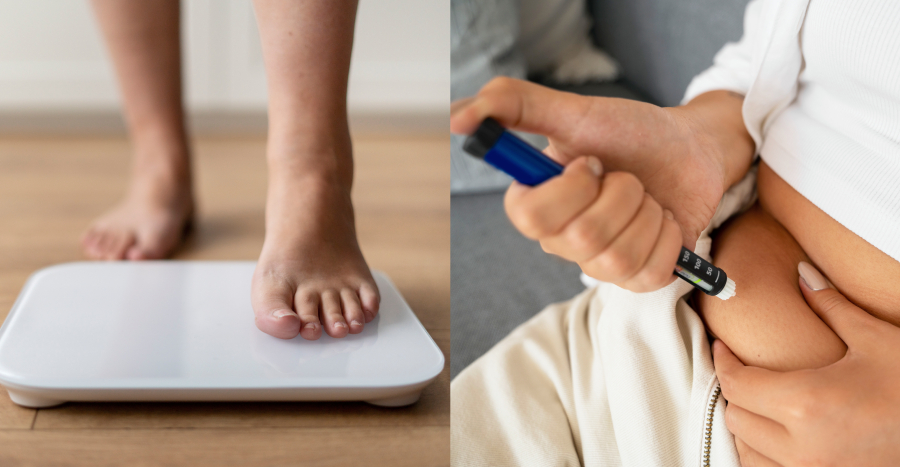

Between viral fads and crash diets, navigating the weight loss space can be overwhelming. While some people see short-term results, many struggle with sustainability, especially when lifestyle-related conditions like diabetes, high cholesterol, or high blood pressure are in the picture.
Dr. Edwin Lim, a medical aesthetic doctor based in Singapore, understands this personally.
“I know first-hand how tough it can be – because I’ve faced similar struggles myself,” he shares. “After battling with my own weight issues, I turned to GLP-1 weight loss injections and experienced their benefits personally.”
With more than a decade of experience supporting patients through their weight loss journeys, Dr. Edwin advocates for science-backed solutions tailored to the individual. “My aim is to help each patient achieve healthy, sustainable results in a safe, supportive environment.”
- What Are GLP-1 and GIP Medications, and How Do They Work?
- How Is Medical Weight Loss Different from Beauty Treatments or Fads?
- Safety, Side Effects, and Common Myths
- What to Expect at Edwin Lim Medical Aesthetic Clinic
- How the Injection Process Works
- Other Health Benefits Beyond Weight Loss
- Medication Works Best with Lifestyle Change
- Who Should Not Take These Medications?
- Ready to Take the First Step? Here’s When to Consider a Consultation
What Are GLP-1 and GIP Medications, and How Do They Work?
Credit: Freepik
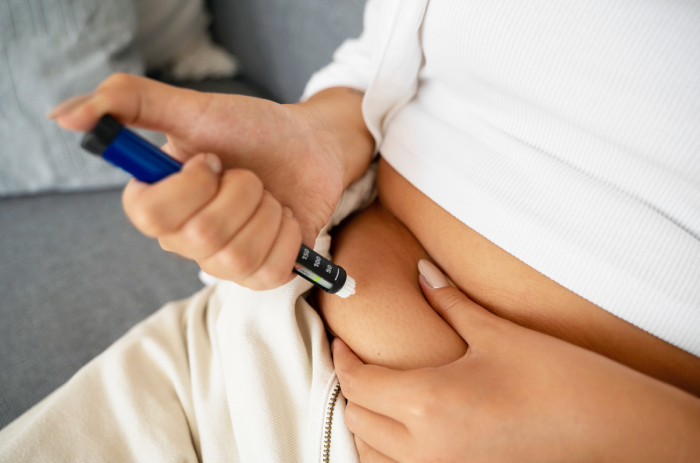
GLP-1 and GIP receptor agonists such as Ozempic, Wegovy, and Mounjaro are prescription medications that help regulate appetite and blood sugar.
“When we say these medications are GLP-1 or GIP receptor agonists, we’re talking about how they ‘copy’ or boost certain natural hormones in your body that help control hunger and how your body handles sugar,” Dr. Edwin explains.
“Ozempic is a once-weekly injection that was first developed to help people manage type 2 diabetes,” Dr. Edwin explains. “What surprised many doctors was that patients not only saw improvements in blood sugar, but they also experienced noticeable weight loss as an added benefit.”
Building on these findings, Wegovy was developed with a higher dose of the same ingredient (semaglutide) and is approved specifically for weight loss. That’s why it’s now a top option for those seeking effective, doctor-guided weight management.
Mounjaro is the latest addition and is expected to become available in Singapore by the end of August 2025.
What sets Mounjaro apart is that it contains tirzepatide, a medication that acts on two appetite-related hormones – GLP-1 and GIP – instead of just one. This dual action can lead to even better appetite control and blood sugar management for some patients.
These once-weekly injections are administered just under the skin, typically in the abdomen, and are described by patients as quick and tolerable.
Note: these medications are not quick-fix solutions. They are prescription-only treatments designed to work in tandem with proper medical guidance, ongoing monitoring, and lifestyle support.
How Is Medical Weight Loss Different from Beauty Treatments or Fads?

Credit: Freepik
“In the clinic, we look at each person’s overall health, screen for underlying conditions, and use prescription medications that have solid clinical evidence for long-term safety and effectiveness,” says Dr. Edwin. It’s unlike beauty treatments that focus on surface-level changes.
While beauty salons may offer slimming wraps, fat freezing, or herbal supplements, medically supervised programs address the root causes of weight gain.
A medical program includes thorough assessments, ongoing monitoring, and accountability, which help patients stay on track and manage side effects or plateaus safely. “Every individual is different – what works for one person may not be safe or effective for another,” he adds.
He also cautions that unregulated weight loss claims in the beauty space can be misleading and potentially unsafe.
Safety, Side Effects, and Common Myths
Some may wonder if GLP-1 medications are safe or worry about severe side effects. Dr. Edwin reassures, “GLP-1 injections have gone through extensive clinical trials and are generally considered safe when prescribed and monitored by a doctor.”
Side effects such as nausea or mild stomach discomfort are usually temporary and manageable. “We always start with a thorough health assessment and continue to monitor patients closely throughout their treatment.”
He also addresses fallacies: “One common misconception is that these medications are a ‘magic cure’ that work without any effort. In reality, they work best when combined with healthier eating habits and lifestyle changes.”
Dr. Edwin further explains that fears about safety are often amplified on social media. “Most side effects are mild and temporary, and serious complications are rare, especially when treatment is supervised by a doctor.”
As for the fear of regaining weight after stopping treatment, he acknowledges, “Yes, it is possible. That’s why it’s important to focus on building sustainable lifestyle habits, so you’re better prepared for long-term success, even if the medication is stopped.”
What to Expect at Edwin Lim Medical Aesthetic Clinic
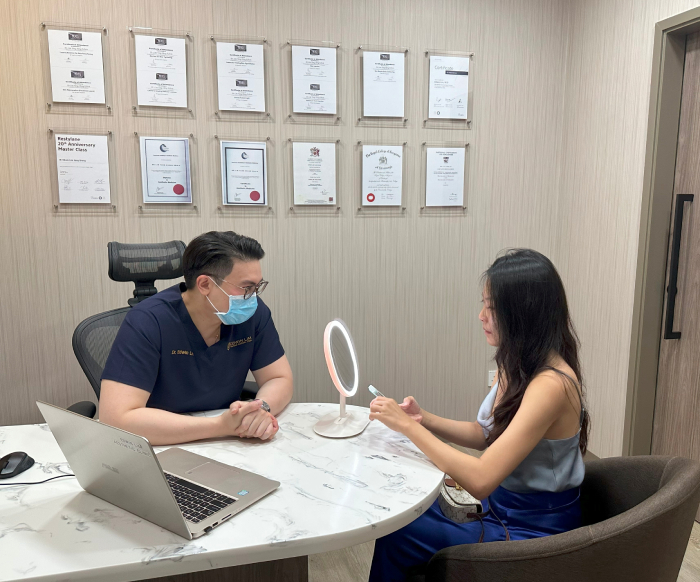
“When a new patient comes in, the experience is very much about understanding their unique story and health needs,” says Dr. Edwin.
Consultations are private and non-judgmental. Health checks may include weight, BMI, blood pressure, and blood tests. Based on these assessments, Dr. Edwin tailors treatment plans using medications like Wegovy, Ozempic, or Rybelsus.
Suitability can vary from person to person. “Most importantly, patients receive a personalised plan,” says Dr. Edwin, noting that not everyone will be an ideal candidate for GLP-1 medications.
“For patients who want to focus purely on weight loss, Wegovy is usually the preferred option because it’s approved and readily available. For diabetic patients, Ozempic is often the medication of choice,” he explains. “If a patient prefers an oral option instead of injections, Rybelsus can also be considered.”
“Ultimately, the choice is always tailored to the patient’s medical needs, lifestyle, and preferences, and I make sure to explain all options clearly so we can decide together,” he affirms.
How the Injection Process Works
At the start of a medical weight loss journey, close monitoring is key.
“After the initial consultation and assessment, I’ll walk the patient through exactly how the medication works and what to expect,” says Dr. Edwin. Most patients start with a low dose and gradually increase over several weeks.
“Our clinic team will demonstrate the injection technique during your visit. It’s simple enough that, after seeing it done once, most patients are comfortable doing the injections themselves at home,” he shares.
Patients typically return monthly for follow-ups, which become less frequent once a stable dose is achieved.
These regular follow-ups help track progress, manage any side effects, and ensure patients are responding well to treatment. Once the ideal dose is established and things have stabilised, appointments can be spaced out to every three or four months for added convenience.
Even then, it’s not a hands-off process. Dr. Edwin continues to offer guidance, fine-tune the plan if needed, and support patients until they reach their personal health or weight goals.
Other Health Benefits Beyond Weight Loss
Credit: Freepik
GLP-1 medications like Ozempic, Wegovy, and Mounjaro don’t just support weight loss.
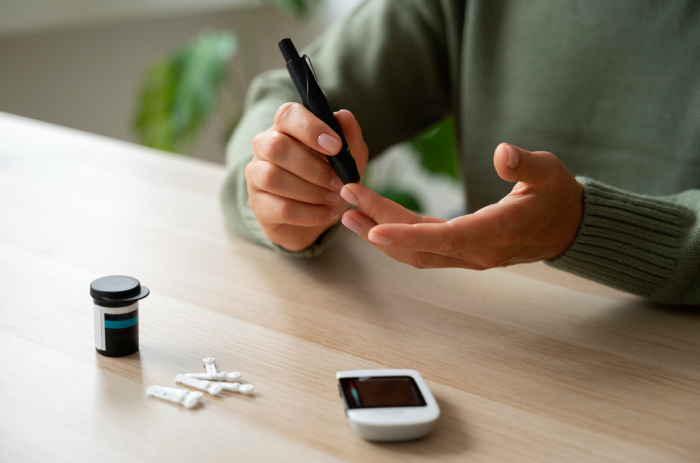
“Research has shown that these medications can improve blood sugar control, which is especially important for people with diabetes or prediabetes. They help your body use insulin more effectively and reduce spikes in blood sugar after meals.” Dr. Edwin notes.
Large-scale clinical trials have also linked these medications to a lower risk of major heart issues, including heart attacks and strokes. Some have even been found to help protect kidney function in people with existing risks.
“These treatments are actually very well-suited for patients who have conditions like high blood pressure or high cholesterol, especially when these issues are linked to being overweight,” he reveals.
Dr. Edwin notes that these benefits may complement overall health management goals.
Medication Works Best with Lifestyle Change

Credit: Freepik
“Medication and injections are powerful tools, but they’re not a complete solution by themselves,” says Dr. Edwin. He encourages patients to view treatment as a kick-start rather than a shortcut.
“We focus on practical changes that fit into their routine, not drastic or unrealistic diets. The focus is on building habits that are sustainable long term,” he shares. If needed, he may also recommend a nutritionist or simple meal strategies to make healthy eating easier.
Exercise is important too, but Dr. Edwin keeps it realistic, tailoring activity suggestions to each patient’s comfort level and lifestyle. It’s all about long-term sustainability, so patients can continue making informed choices even after their program ends.
Who Should Not Take These Medications?
These treatments are not suitable for everyone. “These treatments aren’t recommended for women who are pregnant or breastfeeding. People with a history of certain types of thyroid cancer or pancreatitis should also avoid them,” cautions Dr. Edwin.
They’re also not meant for people with very low BMI or those without weight-related health concerns. That’s why a proper medical assessment is essential to determine suitability.
Ready to Take the First Step? Here’s When to Consider a Consultation
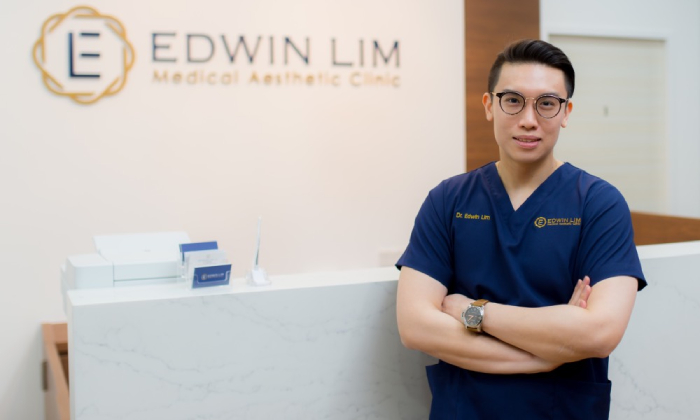
“If you’ve tried multiple diets, exercise plans, and lifestyle changes but your weight just isn’t budging, or if it keeps coming back, it might be time to consider medical treatment,” says Dr. Edwin.
While GLP-1 medications can be helpful, the first step is consultation. “Weight struggles are much more common than you might think, and there’s no shame in asking for help,” he affirms.
For those seeking a safe, structured path forward, medically supervised weight loss may offer a guided approach to long-term weight management. Dr. Edwin encourages readers who are struggling with weight or managing related health concerns to consider scheduling a consultation.
“There’s no obligation to start treatment, and all your questions will be answered. Sometimes, just taking that first step to seek advice can open the door to new options and renewed hope for lasting change,” he says.
-
Location
-
- Changi City Point: 5 Changi Business Park Central 1, Changi City Point, #02-12/13, Singapore 486038
- Lucky Plaza (Orchard): 304 Orchard Road, Lucky Plaza, #05-51, Singapore 238863
-
Price
-
Available upon consultation
-
Opening hours
-
- Changi City Point: 11am – 8pm (Mon to Fri) | 11am – 6pm (Sat) | Closed on Tuesdays
- Lucky Plaza (Orchard): By appointment only
-
Contact details
This article is brought to you by Edwin Lim Medical Aesthetic Clinic.

