


If doomscrolling on TikTok is your favourite way to pass the time, you might have stumbled across videos shedding light on the condition “cortisol face.”
We know the dire effects stress can have on our health, but this viral term has everyone talking about how chronic stress can show up on our faces.
@riopia_ You learned how to lower your cortisol naturally which lead to having clear skin and jawline 🫶🏻 Let me know what you want to know about cortisol 🤗 #pcos #hormonalimbalance #cortisol #weightloss
We spoke to two endocrinologists, who will be diving deep into the science behind cortisol and how alleviated cortisol levels can impact our physical appearance and health.
We also tapped into their expertise and explored practical tips for managing stress and keeping your cortisol levels in check!
Meet the Experts:
- Dr Daphne Lee is the Medical Director and Consultant Endocrinologist at Dr Daphne Lee Endocrine and Diabetes Medical Clinic.
- Dr Abel Soh is a Consultant Endocrinologist at Abel Soh Diabetes, Thyroid and Endocrine Clinic.
What Is Cortisol
“Cortisol is the body’s natural form of steroid hormone, produced by the adrenal glands,” says Dr Daphne Lee.
Dr Abel Soh adds, “A hormone is a chemical that coordinates different functions in the body by carrying messages through the blood to different organs and tissues in the body. These messages then tell the body what to do and when to do it.”
Doctors at Arden Endocrinology Specialist Centre explain that hormones play vital roles in the body, including regulating metabolism, managing stress responses, controlling blood pressure and blood sugar levels, maintaining the sleep-wake cycle, and suppressing inflammation.
Because hormone imbalances can affect multiple systems, persistent issues are typically evaluated and managed by an endocrinologist Singapore, such as those at Arden Endocrinology Centre.
What Causes Abnormal Cortisol Levels?

Credits: jcomp/Freepik
In simple terms, Dr Soh explains how cortisol works, “The cortisol level in the body normally peaks in the early morning and then declines through the remainder of the day, reaching the lowest level around midnight.”
Now, you might be wondering: what causes them to fluctuate out of their normal range?
Causes of High Cortisol Levels (Hypercortisolism)
Dr Lee reveals that hypercortisolism is rare, and usually caused by tumours in the body producing excess cortisol. However, a person can still experience heightened cortisol levels due to the following:
- Stress
- Sleep apnea
- Frequent insomnia
- Working night shifts
- Consumption of steroid medications
- Tumour in the body that results in the overproduction of cortisol
Causes of Low Cortisol Levels (Hypocortisolism, Adrenal Insufficiency)
On the other hand, Dr Soh shares that low cortisol levels can be caused by damage to the adrenal glands or the pituitary gland, usually from auto-antibodies, infection, tumours, and trauma.
Signs You Have High Cortisol Levels
@ghallfitness We all know what high cortisol can feel like – the stress, anxiety, and fatigue – but did you know it can also mess with your physical appearance? From stubborn belly fat to skin issues, high cortisol can have a big impact. Here are some steps to help manage and reduce your cortisol levels: 1. Prioritize Sleep: Aim for 7-9 hours of quality sleep per night. Create a relaxing bedtime routine and maintain a consistent sleep schedule. 2. Balanced Diet: Eat regular, balanced meals rich in whole foods. Include plenty of fruits, vegetables, lean proteins, and healthy fats to stabilize blood sugar levels. 3. Regular Exercise: Engage in moderate exercise like walking, yoga, or swimming. Avoid excessive high-intensity workouts, which can spike cortisol. 4. Mindfulness Practices: Incorporate stress-reducing activities like meditation, deep breathing, or journaling into your daily routine. 5. Limit Caffeine and Sugar: Reduce intake of caffeine and sugary foods, which can increase cortisol production. 6. Stay Hydrated: Drink plenty of water throughout the day to support overall health and reduce stress. 7. Social Support: Spend time with loved ones and seek social support. Positive social interactions can lower stress levels. 8. Regulate your nervous system: This is the MOST important! If you have no idea on how to do that or where to start… Send me a DM ‘Cortisol Fix’ so you can finally break free! #cortisol #stress #nervousystem #fightorflight #survivalmode #foryou #fyp #trending
Seeing that cortisol plays a crucial role in many of our bodily functions, what happens when cortisol levels are too high or too low?
The experts reveal the effects of heightened cortisol levels on both our external appearance and our internal systems.
External Effects
- Cushingoid appearance (red, puffy, rounded face)
- Fat deposition over the back of the neck, shoulder blades/clavicles, and abdomen
- Stretch marks over the abdomen
- Thinning of the skin with easy bruising
- Hirsutism (excessive hair growth over the face and body)
Internal Effects
- Period irregularity
- High blood sugar levels (possibly leading to Type 2 Diabetes)
- High blood pressure
- Weak and brittle bones (might lead to osteoporosis and possible bone fractures)
- Immunosuppression (more susceptible to infections)
- Muscle weakness in the upper arms and thighs
What Is “Cortisol Face”?
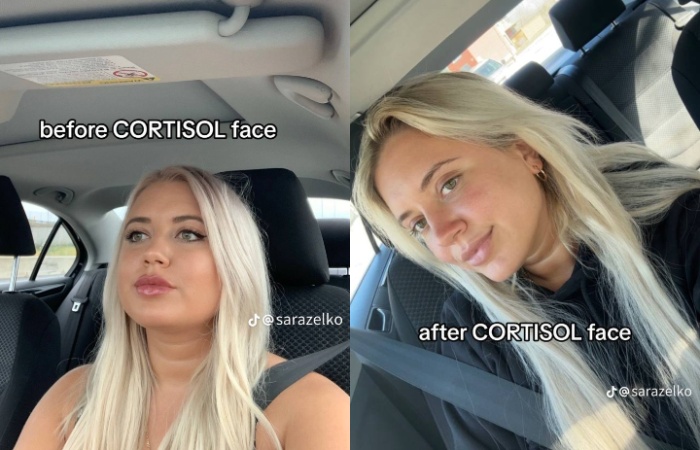
Credits: @sarazelko/TikTok
“Pathological causes of high cortisol levels, like Cushing’s Syndrome, can lead to “cortisol face”,” Dr Lee says.
Dr Soh further explains, “High cortisol levels can cause increased fat deposition in the face, causing the face to look round and puffy.”
@itsbrookeelle I literally dont even recognize myself WHAT 🫠 #cortisolface #cortisol #cortisollevels #cortisolimbalance #glowup #howtoglowup #faceglowup #faceslimming #facetransformation #lensbuddy
How To Maintain Healthy Cortisol Levels

Credits: Tirachard Kumtanom/Pexels
To maintain healthy cortisol levels, one has to learn the art of managing their stress levels. Here’s what the experts recommend:
- Exercise regularly
- Practice deep breathing exercises
- Good quality sleep
- Get enough sleep
- Maintaining healthy interpersonal relationships
- Laughing more often
When asked if there are specific foods we should consume to maintain healthy cortisol levels, both experts agree that there is no need to follow a particular diet.
Instead, Dr Lee advises, “Take enough fruits and vegetables, avoid processed foods, exercise regularly, don’t smoke and drink excessively.”
Dr Soh seconded her on the point of exercising regularly, as “it can help improve sleep quality and reduce stress level, thus helping to reduce cortisol level over time.”
Stress can have a significant impact on our physical health, so it’s important to be mindful of our stress levels and take the necessary measures to manage them effectively.
Featured image credits: @riopia_on.ig/TikTok, @anci.social/TikTok, @sarazelko/TikTok

