
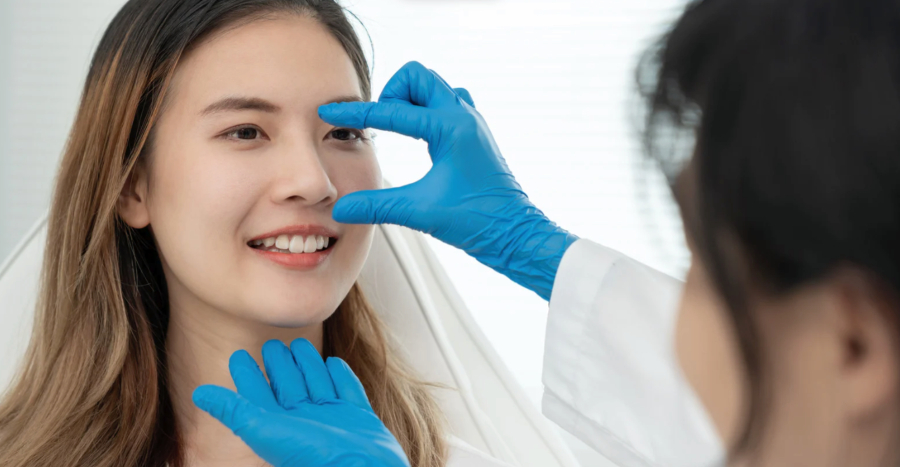

Thinking about getting plastic surgery in Singapore? Whether you’re considering a full procedure or a non-invasive tweak, doing your homework is key. We’ve rounded up everything you need to know—clinics, costs, risks, and how to choose the right surgeon.
- Top Plastic Surgery Clinics in Singapore
- What Is Plastic Surgery?
- What Is the Difference Between Plastic Surgery and Cosmetic Surgery?
- Benefits of Plastic Surgery
- How Much Does Plastic Surgery Cost in Singapore?
- How to Choose the Right, Qualified Plastic Surgeon
- Common Risks of Plastic Surgery
- Postoperative Care Tips
Top Plastic Surgery Clinics in Singapore
Sweng Plastic and Reconstructive Surgery 4.9/5 stars on Google
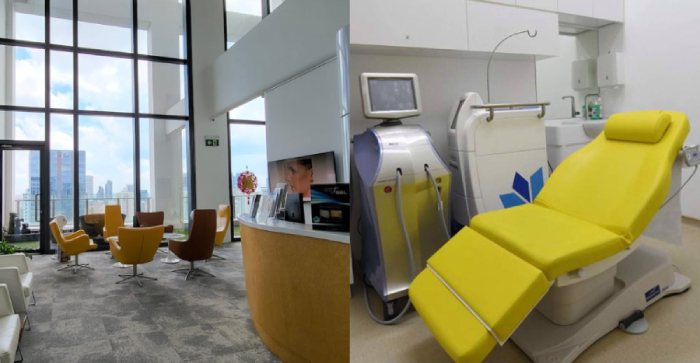
Dr Ng Siew-Weng brings Korean-trained precision to a wide range of procedures, including eyelid surgery, rhinoplasty, facelift, and CoolSculpting. The clinic offers a one-stop experience with its in-house MOH-accredited surgical centre and advanced recovery facilities – all designed for comfort and efficiency.
Reviews
I had a facelift surgery in Korea and developed complications of wound dehiscence and tissue necrosis at suture sites. Dr Ng gave his most honest opinion regarding my wounds. After 4 visits and following his medical advice, my wounds are now healing well.” – Sophie G, Google Reviews
Had my ptosis corrected, double eyelid and lower lid surgery done at the same time. Recovery took some time but the results are perfect (at the 5-month mark now).” – Nichole Tan, Google Reviews
What We Like
1. Korean-influenced techniques tailored for natural results.
2. MOH-accredited surgical centre within the clinic.
3. Detailed consultations praised in patient reviews.
What To Consider
1. A few past reviewers reported long consultation wait times and concerns over communication.
2. Two patients expressed dissatisfaction with consultation length, procedure recommendations, and overall post-op results.
Woffles Wu Aesthetic Surgery & Laser Centre 4.3/5 stars on Google

Best known for the Woffles Lift—a non-surgical facelift developed by Dr Woffles Wu—this clinic is a go-to for those seeking subtle facial rejuvenation with minimal downtime. The clinic also offers surgical options for the face, breast, and body, catering to both aesthetic and reconstructive needs.
Reviews
Dr Woffles Wu did a surgery for me 15 years ago which made my face more feminine and better proportioned. I felt much more confident! For the past 10 years I have also been seeing him for fillers—am always so impressed by his sharp eye for beauty.” – T. Gan, Google Reviews
During my consultation, he listened closely to my concerns and took the time to reassure me by describing clearly what to expect during and after my procedure I received great care and service from him and the results turned out like everything I hoped for.” – Sham Das, Google Reviews
What We Like
1. Known for the Woffles Lift—a non-surgical facelift with fast recovery.
2. Offers both aesthetic and craniofacial surgical services.
3. Personalised care and attention highlighted in reviews.
What To Consider
1. Dr Wu was suspended from practice for four months in 2014 due to a legal offence.
2. Some reviewers felt certain recommended treatments had little effect.
The Covette Clinic 4.8/5 stars on Google
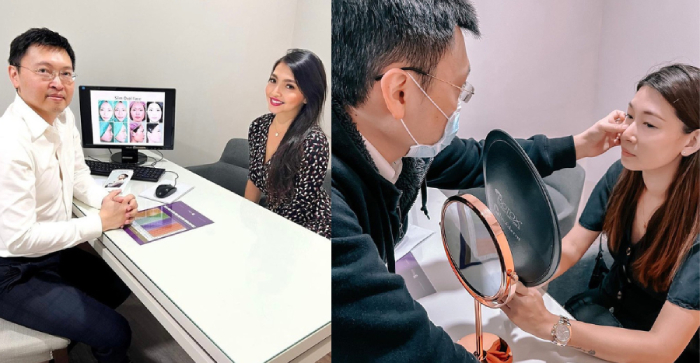
The Covette Clinic is helmed by Dr Gavin Kang and Dr Shauna Tan, offering a range of face and body procedures.
Dr Kang specialises in craniofacial and body cosmetic surgery, while Dr Tan brings experience from local hospitals and elective training at Johns Hopkins Hospital in the U.S.
Reviews
From the very first visit to address my concern, to all my follow-ups months after, it has always been a friendly yet respectful environment. The clinic prioritises comfort and privacy.” – Emilda Yohannis, Google Reviews
I recently underwent liposuction abdomen by Dr. Gavin at the Covette Clinic, and even though I’m only six days post-op, I can already see the positive outcome. Dr. Gavin and his team were very attentive and addressed all of my concerns during the consultation.” – Deadprawn, Google Reviews
What We Love
1. Clinic offers comprehensive facial and body procedures.
2. Dual-surgeon team with international training and experience.
3. Reviews highlight responsive staff and satisfying results.
What to Consider
1. One reviewer raised concerns about billing clarity and unexpected pricing differences post-treatment.
2. Some patients noted long wait times and inconsistent appointment scheduling.
Dr Marco Faria-Correa Plastic Surgery 4.9/5 stars on Google
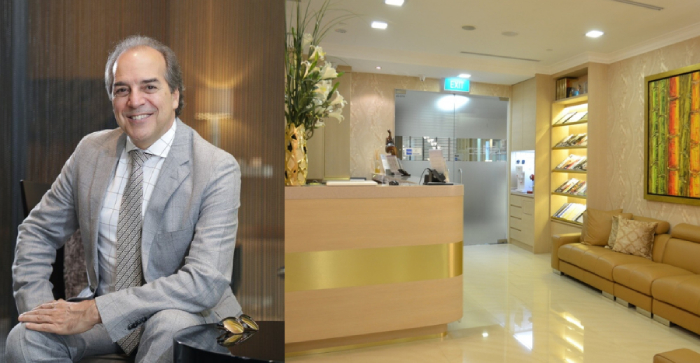
Known for his natural-looking results, Dr Marco Faria-Correa brings over 30 years of experience to his practice in Novena. Patients seek him for popular procedures like Brazilian butt lifts, facelifts, breast enhancement, and male-focused surgeries such as gynecomastia correction and abdominal sculpting.
Reviews
I had a breast reduction and lift + minor lipo of the axillary area with Dr. Marco. From start to finish, him and his staff were impeccable. Very friendly and knowledgeable, and Dr. Marco is a perfectionist, which of course is welcomed when it comes to plastic surgery.” – Jennifer Rivera, Google Reviews
I had surgery with him and I don’t think I could have chosen a better doctor. Amazing results, a very caring professional and the most important, I felt very safe in his hands.” – Teresa Lopez, Google Reviews
What We Like
1. Known for natural-looking aesthetic results.
2. Offers both female and male-focused procedures.
3. Patients praise the personalised, reassuring care.
What To Consider
1. Clinic is closed on weekends, which may limit availability.
AZATACA Plastic Surgery 4.9/5 stars on Google

Formed by three long-time friends and highly trained surgeons, AZATACA Plastic Surgery offers a cohesive, team-based approach to both reconstructive and aesthetic procedures.
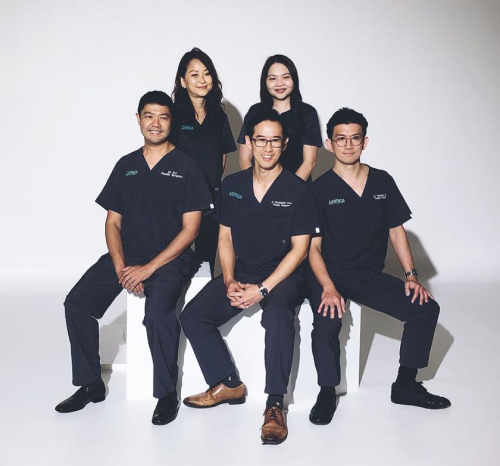
With fellowship experience spanning Belgium, Germany, and South Korea, the clinic specialises in rhinoplasty, blepharoplasty, and breast reconstruction.
Reviews
My mother fell and sustained deep lacerations on her face, nose and lips. Dr Goh and his nurse were very professional and reassuring when attending to her. After meticulously cleaning and stitching up the wounds, my mother’s wounds healed quickly without any scarring at all.” – Z Chua, Google Reviews
I have my breast reduction and suture blepharoplasty done by Dr Chris recently. The recovery was quick and I am pleased with the results. Also, I find that his fees are reasonable.” Joyce, Google Reviews
What We Like
1. Reviewers appreciate the natural-looking results and personalised follow-up care.
2. Surgeons bring international training in facial and body procedures.
3. Warm, supportive nursing staff mentioned by patients.
What to Consider
1. One reviewer expressed concerns about the surgical experience and aftercare, noting communication during the procedure and recovery process. The clinic has responded and invited further feedback.
-
Location
-
- 3 Mount Elizabeth, #15-11, Mount Elizabeth Medical Centre, Singapore 228510
- 101 Irrawaddy Road, #14-09, Royal Square Medical Centre, Singapore 329565
-
Price
-
Available upon consultation
-
Opening hours
-
- Mount Elizabeth: 9am – 5pm (Mon–Fri) | 9am – 1pm (Sat)
- Royal Square: 9am – 6pm (Mon–Fri) | 9am – 1pm (Sat)
- Closed on Sun
-
Contact details
Ivor J. Lim Plastic Surgery 5/5 stars on Google
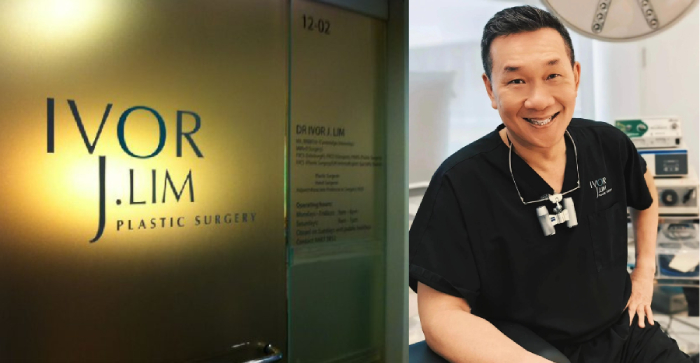
With credentials from Cambridge and London, Dr Ivor J. Lim is uniquely certified in both plastic and hand surgery.
His clinic offers a wide range of procedures, including facelifts, breast enhancement, body contouring, and aesthetic laser treatments, backed by decades of international experience across the UK, North America, and Korea.
Reviews
His expertise and compassionate approach made me feel at ease throughout my entire visit. The clinic staffs (Princy, Hanaka and Julie) are very friendly as well.” – Isabelle Lim, Google Reviews
He is an approachable surgeon. He is a perfectionist and I’m very satisfied with his work done. – Wong Wong, Google Reviews
What We Like
1. Doctor holds a rare dual certification in both plastic and hand surgery.
2. Wide range of services from aesthetic to reconstructive procedures.
3. Reviewers highlight personalised care and attentive staff.
What to Consider
1. Clinic currently has a limited number of reviews on Google.
WC Ong Plastic Reconstructive Surgery 5/5 stars on Google
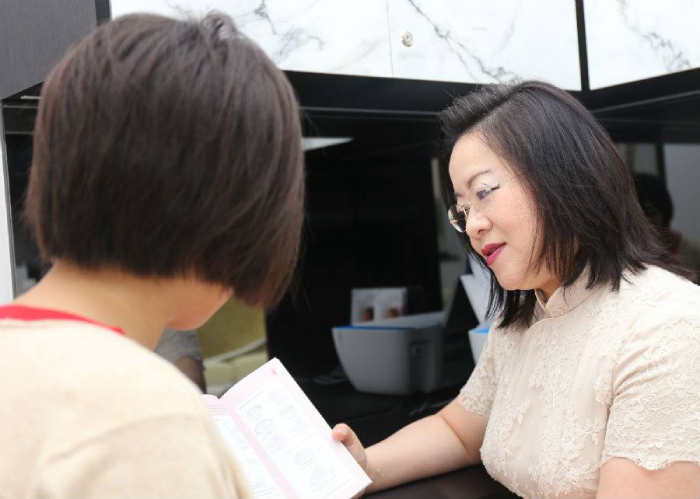
Led by experienced female plastic surgeons, WC Ong Plastic Reconstructive Surgery offers a wide range of aesthetic and reconstructive services. Popular treatments include scar revision, breast surgery, body contouring, liposuction, and gynaecomastia surgery.
The clinic also sees paediatric and medical cases, with a focus on delivering natural-looking outcomes through personalised care plans.
Reviews
Dr Ong has a warm personality. She has been very encouraging and gives detailed information on the surgery and post ops care. This eases the troubled mind. Post-op has been smooth and stitches are neat.” – Cheryl Toh, Google Reviews
I was referred to Dr. Ong for reconstruction surgery. She thoroughly explained the various options and the steps of the surgery while also actively listened and patiently answered all my concerns.” – Mary Chua, Google Reviews
What We Like
1. Clinic is helmed by accredited female plastic surgeons with over a decade of experience.
2. Offers both aesthetic and medical reconstructive services.
3. Known for scar revision and tummy tuck procedures.
What to Consider
1. Clinic currently has a limited number of reviews on Google.
Picasso Plastic Surgery 5/5 stars on Google
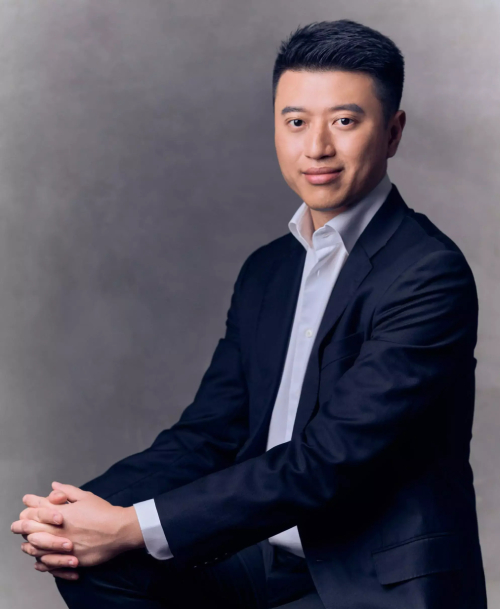
Known for its artistic, patient-centric approach, Picasso Plastic Surgery offers both aesthetic and reconstructive procedures.
Led by Dr Matthew Yeo, a dual-board-certified surgeon with accolades and international appointments, the clinic aims to deliver refined, customised outcomes for every individual.
Reviews
Highly recommend as doctor is very professional and patient.” Jordan Tan, Google Reviews
Highly recommended. Clearly answers your questions and patient.” Carolyn Davis, Google Reviews
What We Like
1. Dr Yeo holds dual certification in Singapore and Europe.
2. Clinic emphasises personalised outcomes tailored to each patient.
3. Strong international recognition in the field of aesthetic surgery.
What to Consider
1. Clinic currently has a limited number of reviews on Google.
Evan Woo Breast & Plastic Surgery 4.7/5 stars on Google

Specialising in breast-related procedures, Dr Evan Woo is known for his work in both cosmetic and reconstructive surgery, including breast augmentation, reduction, and post-cancer reconstruction.
The clinic also treats male patients and children with scar concerns, thanks to Dr Woo’s background in paediatric surgery.
Reviews
I couldn’t be happier with the results of my reduction mammoplasty – my only regret is not seeing him sooner!” – Miho Akita, Google Reviews
What truly stood out was his patience and attention to detail. His team, especially the nurses, were incredibly helpful, always available to answer my questions, and provided clear post-op care instructions.” – Laura Yuan, Google Reviews
What We Like
1. Strong reputation in breast-related procedures, including post-cancer care.
2. Dr Woo’s paediatric surgery background supports scar treatments in children.
3. Reviewers appreciate the caring, attentive team.
What to Consider
1. A few one-star reviews were left without any accompanying explanation.
Polaris Plastic & Reconstructive Surgery 4.8/5 stars on Google!

Led by Dr Adrian Ooi and Dr Pek Chong Han, Polaris Plastic Surgery focuses on personalised care, blending modern surgical techniques with non-invasive options.
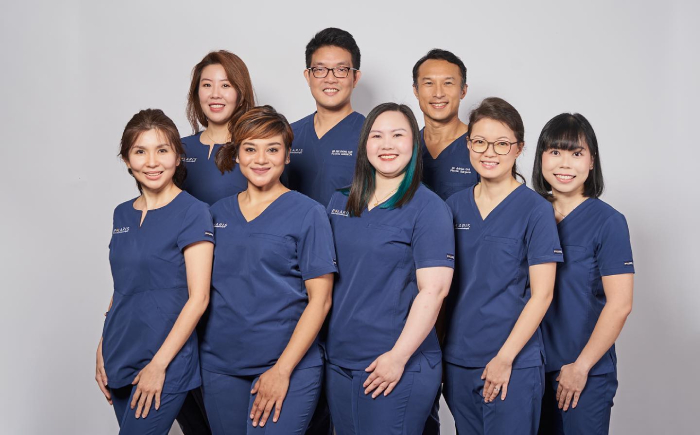
The clinic’s aesthetic and reconstructive services aim to deliver results that are natural-looking and tailored to each patient’s goals.
Reviews
My son had a bad infection above his eyelid after having stitches in Bintan. It was very painful but the nurses and surgeon stayed calm, motivating and talking him through this procedure. The follow-up has been incredible as well!” – Veronique Gille, Google Reviews
Dr. Pek was so detailed in his explanation regarding the procedure that’s suitable for me and the expected outcome. I’m super happy with the outcome.” – Geetha Sakthivel, Google Reviews
What We Like
1. Offers a wide range of surgical and non-surgical options.
2. Personalised approach praised in patient reviews.
3. Multiple locations across top medical centres in Singapore.
What to Consider
1. One reviewer shared a negative experience with a rhinoplasty procedure, citing dissatisfaction with the outcome and post-op communication. The clinic responded, clarifying the complexity of the case and previous corrective surgeries.
-
Location
-
- 3 Mount Elizabeth, #08-05, Mount Elizabeth Medical Centre, Singapore 228510
- 1 Orchard Boulevard, #10-08, Camden Medical Centre, Singapore 248649
- 6 Napier Road, #08-01, Gleneagles Medical Center, Singapore 258499
-
Price
-
Available upon consultation
-
Opening hours
-
- 9am – 6pm (Mon to Fri)
- 9am – 1pm (Sat)
- Closed on Sun and PH
-
Contact details
Astrid Plastic Surgery 4.9/5 stars on Google

Combining Korean-inspired precision with local expertise, Astrid Plastic Surgery offers tailored solutions for aesthetic and reconstructive concerns.

Consultant Plastic Surgeon Dr Jonah Kua is known for a personalised, safety-focused approach across procedures such as rhinoplasty, eyelid surgery, and body contouring.
Reviews
I am extremely happy with the final result. It’s a reflection of the discussions we had during consultations and had very positive feedback from friends on the outcome.” – CN, Google Reviews
It has been more than 6 months since I completed my surgery and the recovery process has been smooth. Not only did I achieve wonderful results, over and above truly acknowledged the minimal scar technique done by Dr Jonah.” – Mdy, Google Reviews
What We Like
1. Patients have described Dr Kua as attentive and clear during consultations.
2. Clinic is praised for smooth, well-organised surgical journeys.
3. Techniques balance natural-looking outcomes with safety.
What to Consider
1. One reviewer noted concerns about the clinic’s service responsiveness, though the clinic has stated they could not verify the patient’s identity and invited further clarification.
-
Location
-
- 10 Sinaran Drive, Novena Medical Center, #11-22, Singapore 307506
- 3 Mount Elizabeth, Mount Elizabeth Medical Centre, #13-07, Singapore 228510
-
Price
-
Available upon consultation
-
Opening hours
-
- 9am – 5pm (Mon to Fri)
- 9am – 1pm (Sat)
- Closed on Sun and PH
-
Contact details
What Is Plastic Surgery?
Credit: Depositphotos
Plastic surgery is a medical speciality focused on restoring, reconstructing, or enhancing the body’s appearance and function. It includes both:
- Reconstructive surgery, which addresses abnormalities caused by birth defects, trauma, or medical conditions.
- Cosmetic (aesthetic) surgery, which improves physical appearance through elective procedures.
While the term often brings to mind beauty enhancements, plastic surgery also plays a vital role in improving one’s quality of life and restoring confidence.
What Is the Difference Between Plastic Surgery and Cosmetic Surgery?
Credit: Depositphotos
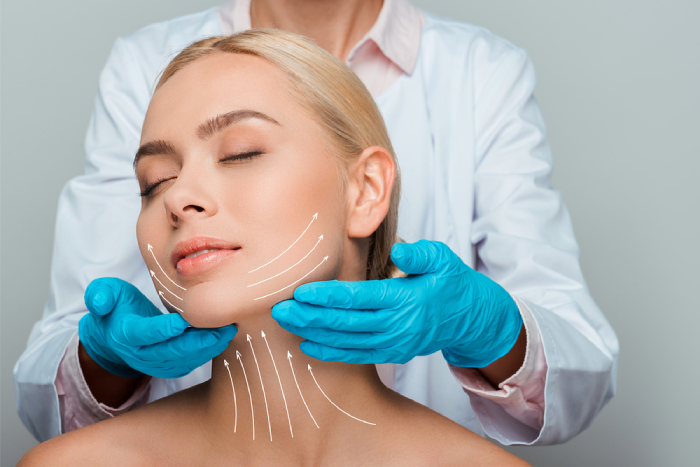
Sure, plastic surgery and cosmetic surgery are terms that are often used interchangeably, but they have subtle differences in their focus and scope.
-
Plastic Surgery
-
- Purpose: Restores function and appearance due to trauma, birth defects, or medical conditions
- Common procedures: Breast reconstruction, cleft lip repair, scar revision
- Training: Comprehensive training in both reconstructive and cosmetic procedures
- Certification: Usually board-certified in plastic surgery
- Medical necessity: Often medically necessary
-
Cosmetic Surgery
-
- Purpose: Enhances appearance; elective and not medically necessary
- Common procedures: Facelifts, breast augmentation, liposuction, tummy tucks
- Training: May come from various medical specialities; training varies
- Certification: No standard board for cosmetic surgery
- Medical necessity: Typically elective
Benefits of Plastic Surgery
- Improves physical health: Corrects deformities from birth, trauma, or medical treatments (e.g. breast reconstruction after mastectomy).
- Enhances mental and emotional well-being: Boosts self-esteem and confidence by addressing physical insecurities.
- Corrects congenital conditions: Treats issues like cleft lip or palate for better function and quality of life.
- Improves functionality: Procedures like rhinoplasty can correct breathing issues from a deviated septum.
- Aesthetic enhancements: Provides aesthetic enhancements: Rejuvenates appearance with procedures like facelifts, eyelid surgery, and liposuction.
- Supports weight loss and health: Surgeries like bariatric procedures aid in weight management and health improvement.
- Boosts social and career confidence: Enhanced self-image may lead to better social interactions and career opportunities.
- Repairs traumatic injuries: Restores function and appearance after accidents or physical trauma.
How Much Does Plastic Surgery Cost in Singapore?

Credit: Depositphotos
Plastic surgery costs in Singapore vary depending on the procedure, the surgeon’s expertise, clinic reputation, and case complexity. Below are general price ranges for common procedures:
-
Rhinoplasty (nose job)
-
S$8,000 – S$18,000
-
Breast augmentation
-
S$10,000 – S$20,000
-
Liposuction (per area)
-
S$4,000 – S$12,000
-
Tummy tuck (abdominoplasty)
-
S$10,000 – S$18,000
-
Facelift
-
S$10,000 – S$20,000
-
Eyelid surgery (blepharoplasty)
-
S$5,000 – S$10,000
-
Botox (per area)
-
S$300 – S$800
Note: Costs may include surgeon’s fees, anaesthesia, facility use, and follow-ups.
Related read: 5 Ways to Get Younger-Looking Eyes Without Going Under the Knife, According to an Aesthetic Doctor
How to Choose the Right, Qualified Plastic Surgeon

Credit: Depositphotos
- Board certification: Look for credentials from recognised boards like ABPS (US) or SAPS (Singapore).
- Experience: Choose a surgeon with proven expertise in the specific procedure you’re considering.
- Training and credentials: Verify their education, residency, and any specialised fellowships.
- Hospital privileges: Ensure they can perform surgery at accredited hospitals.
- Before-and-after photos: Review their portfolio to assess results and aesthetic style.
- Patient reviews: Read testimonials to learn about others’ experiences and satisfaction.
- Consultation: Meet the surgeon to discuss your goals, concerns, and ask questions.
- Accredited facility: Make sure the surgical facility meets safety and quality standards.
- Transparent pricing: Request a full cost breakdown, including any additional or hidden fees.
- Comfort level: Choose someone you feel comfortable and confident with.
Common Risks of Plastic Surgery
- Infection: Risk at the incision site; proper aftercare is essential.
- Bleeding: Excessive bleeding can occur during or after surgery.
- Scarring: Varies by individual; all surgeries leave some scars.
- Anaesthesia risks: Rare complications include allergic reactions or breathing issues.
- Hematoma/Seroma: Fluid or blood buildup under the skin may need drainage.
- Nerve damage: May cause temporary or permanent numbness or weakness.
- Unsatisfactory results: Outcome may not meet expectations due to healing or complications.
- Blood clots (DVT/PE): Prolonged immobility increases the risk of clotting.
- Delayed healing: Some individuals may recover more slowly than expected.
- Allergic reactions: Possible with medications, anaesthesia, or surgical materials.
- Chronic pain: Persistent discomfort may occur post-surgery.
- Implant issues: Risks include rupture, leakage, or shifting (in implant-based procedures).
Always consult your surgeon to fully understand the risks before proceeding.
Related read: 10 Celebrities Who’ve Had Plastic Surgery Reversal
Postoperative Care Tips
- Follow your surgeon’s instructions on wound care, medications, and activity limits.
- Keep incisions clean and dry; avoid scrubbing or rubbing.
- Change dressings or wear compression garments as advised.
- Take prescribed medications – don’t skip or self-medicate.
- Avoid strenuous activity until your surgeon clears you.
- Don’t smoke or drink excessively – both can slow healing.
- Stay hydrated and eat a balanced diet to support recovery.
- Protect treated areas from sun exposure; use sunscreen if needed.
- Attend all follow-up appointments to monitor healing.
- Watch for signs of infection, such as redness, swelling, or discharge.
- Be patient. Healing takes time; don’t rush the recovery process.

